
A Centers for Disease Control and Prevention (CDC) epidemiologist provides insights on a large study.
A Centers for Disease Control and Prevention (CDC) epidemiologist provides insights on a large study.

Natural infection plus COVID-19 vaccination in pregnant mothers conferred more durable antibody responses in infants than natural infection alone.
Heather Yun, MD, FACP, FIDS who is this year’s IDWeek Chair for the Infectious Diseases Society of America (IDSA) talks about the honor of the position, the collective effort to put together the conference, and offers insights on AMR during war, as well as new emerging infectious disease threats.

The findings may support further COVID-19 vaccination in children and reduce vaccine hesitancy.

A late-breaking abstract presented at IDWeek reports on the data around the Prefusion F Protein vaccine.

The findings emphasize the importance of reviewing all hepatitis B serology reports prior to switching HIV treatment.
Codagenix is reporting data at this year’s IDWeek for its live-attenuated vaccine candidate, CoviLiv.

The algorithm sought to address high rates of false-positive cultures, excessive antibiotic use, and unnecessary diagnostic procedures in an emergency department setting.
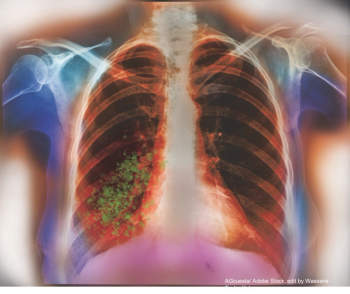
The combination antibiotic was equally effective against both monomicrobial and polymicrobial Acinetobacter baumannii-calcoaceticus Complex infections.

The investigational treatment is being developed for this patient population.

Social determinants such as housing and transportation were strong predictors of patients receiving fecal microbiota transplants (FMT).
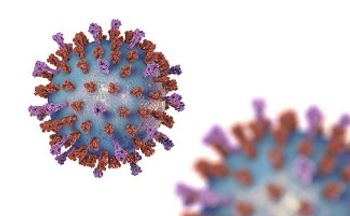
The monoclonal antibody demonstrated a significant impact on RSV-related hospitalizations regardless of infant characteristics.

Adding the oral therapy to standard of care helped reduce total days on oxygen for those hospitalized with COVID-19.

Earlier this year, cases of fungal meningitis were discovered at 2 surgical clinics in Matamoros, Mexico. The CDC offers an update on this deadly outbreak.

A study being presented at IDWeek 2023 demonstrated a 2-fold increase in HIV infections associated with barriers to treatment.

Toronto, Canada-based Bluedot offers surveillance tracking information to identify trends for viruses and syndromes efficiently to aid public health officials and other key stakeholders to assess situations and make decisions around this data.
The subject is one where it does not garner the attention of other serious health topics, but key stakeholders say it should.
Earlier this year, the company announced its first foray into these types of infections in developing vaccines for the tickborne infection utilizing its mRNA vaccine platform.

Sam Aitken, PharmD, president-elect of the Society of Infectious Disease Pharmacists (SIDP), discusses how this strategy is one significant part of a complex puzzle to decrease antimicrobial resistance.

Misinformation created unnecessary hospitalizations and mortality and demonstrated the chasm in public health communication.

Through policy and fostering innovation, the Biotechnology Innovation Organization (BIO) is working towards reducing antimicrobial resistance (AMR).

Patient advocate Ella Balasa has been living with cystic fibrosis her whole life. She experienced a multidrug resistant infection in 2019 and is speaking about her personal experiences at the World AMR Congress reminding people about the need to improve the antibiotic development paradigm.

The twice-yearly injectable shown to be beneficial in conjunction with an optimized background regimen.
A new study being presented at the ongoing IAS conference showed that people with HIV found the injectable therapy, Cabotegravir plus long-acting Rilpivirine (Cabenuva) is more conducive to today’s lifestyles, reduced stigma, and improved adherence.

A new study shows the use of statin therapy in a primary prevention cohort of patients with HIV on antiretroviral therapy was associated with a 35% reduction in risk of cardiovascular events. The data is being reported at the International AIDS Society Conference.

New study demonstrates benefit of adhering to treatment regimen and also calls for simplifying viral testing in other parts of the world where updated panels technology may not be available.

New findings from clinical trials reveal that Rebyota, a rectally administered treatment, demonstrates improved outcomes in patients with recurrent Clostridioides difficile infection (rCDI).

Empiric therapy for severe Salmonella disease remains effective, but fluoroquinolone resistance calls for a shift towards trimethoprim-sulfamethoxazole as the preferred oral treatment for non-severe cases.

A study of patients with recurrent Clostridioides difficile infection (rCDI) found that Rebyota, a rectally administered live biotherapeutic, was considered easy, quick, and appealing due to the lack of bowel preparation.

This study found a high proportion of reduced vancomycin susceptibility in C difficile patients, leading to lower rates of sustained clinical response.