

As more agents expand the capability and variety of PrEP options, investigators consider what questions remain about the drug class.
As more agents expand the capability and variety of PrEP options, investigators consider what questions remain about the drug class.
Following the approval of cabotegravir-rilpivirine earlier this year, experts are looking forward to an expansion of the drug class for HIV.

The combination therapy's non-inferior efficacy to heavier TAF regimens may indicate a greater embrace of 2-drug regimens for people living with HIV.
Monica McArthur, MD, PhD, discusses why to-be-authorized COVID-19 vaccine doses for children may not be tiered for patient risk as they were for adults.
New late-breaking data illuminate the specific efficacy of the combination monoclonal antibodies.

The findings have supported the launch of a phase 3 trial called EVERGREEN, which is now underway.
A conversation in consideration of the high-risk psychosocial comorbidities the aging HIV population may face through COVID-19.

A new study from IDWeek showed most observed children previously infected with SARS-CoV-2 retained antibodies over 6 months.
An expert reviews cabotegravir, islatravir, lenacapavir, and what other promising agents that could redefine long-term HIV prevention.

The COVID-19 pandemic led people to take hygiene and sanitation more seriously, causing a decrease in C difficile infections.

A clinician provides an overview of the data on the microbiota-based live biotherapeutic, RBX2660, which in phase 3 studies has shown safety and reduction in recurrent C difficile infection (rCDI).

After an initial hospitalization for COVID-19, some patients may have specific risk factors that increase their likelihood of readmittance.

Investigators wanted to understand this phenomenon with a group of antiretroviral (ART) naïve people with HIV (PWH).

Massachusetts General Hospital investigated how international travel contributes to the contraction and carriage of antimicrobial resistance (AMR).

Major predictors of response were CD4+ count, suppressed viral load, and whether the participant received the Moderna or Pfizer mRNA vaccine.

The Arkansas Health Department’s research showed that, as with the rest of the population, Delta is severely infectious for children.

Investigators examined asymptomatic infection and the duration of viral shedding in symptomatic breakthrough infections in a phase 3 study with the AZD1222 COVID-19 vaccine.

This type of stewardship is a means of reducing unnecessary testing, getting the appropriate diagnosis more efficiently, and getting patients the appropriate therapy in a timely manner.
In the primary efficacy analysis, the risk of developing symptomatic COVID 19 was reduced by 77% with AZD7442.
The study author of the late-breaking IDWeek findings discusses what the new data mean for using the antiviral to reduce COVID-19 burden.

A survey found most healthcare professionals would clear an asymptomatic patient with a positive PCR test if the patient met other criteria.
In a study looking at one urban South Florida hospital, the pandemic negatively impacted testing.

A study found disproportionately higher COVID-19 cases in Black and Hispanic people with HIV across the US.

A study’s findings support the use of the therapy earlier in the course of COVID-19 in hospitalized patients.
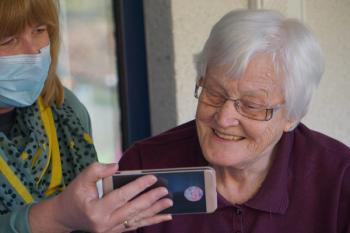
Orange County, CA nursing homes that partook in either universal decolonization or prevention training had significantly fewer staff and resident COVID-19 cases than nursing homes that did not.

During the pandemic, hospitalists prescribing patterns changed, reflecting new data, clinical experience, and the introduction of new therapies.

Investigators saw vastly higher rates of hospitalization and mortality for rural populations over urban even after adjusting the results for various factors.

The Infectious Diseases Society of America’s (IDSA) 2017 guideline saw an increase in using vancomycin as a first line therapy for Clostridioides difficile (CDI).

Rates of Sexually Transmitted Infections (STIs) and engagement in HIV pre-exposure prophylaxis during the COVID-19 pandemic were previously unknown, but one IDWeek study examined these data trends over the past few years.
An expert explains the science of vaccine- and infection-induced immunity, and how it informs the timeline of COVID-19 outbreaks this year.