

Investigators wanted to examine spontaneously reported adverse events and whether they were cause for concern.
Investigators wanted to examine spontaneously reported adverse events and whether they were cause for concern.

Here is a look at the patterns within the variety of symptoms and presentations during physician exams.

A presenting author offers greater study insights into this novel therapy for the treatment of serious infections.

The study population comprised 224 patients admitted to the ICU with influenza, and the overall rate of IPA was 3.1% (7/224).

Reports of hospitalized older adults with COVID-19 who do not experience the classic symptoms are on the rise.

“The compound appears to be safe and well-tolerated, [and we observed] excellent efficacy based on a very small sample size,” Peter G. Pappas, MD, said.

The urgent care setting is a prime target for antimicrobial stewardship efforts as it becomes an increasingly prevalent form of healthcare delivery.

A firsthand look into a Kentucky program that's initiated opioid use disorder care in recurring HIV, hepatitis C patients.
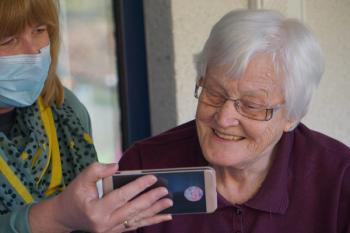
A prospective study looked at the association of contract nursing and SARS-CoV-2 outbreaks.

New data highlight the need for more antimicrobial stewardship adoption in emergency care settings.

Investigators wanted to look at real world experiences with combination therapy in older people living with HIV.


Results from the Pivotal ADAPT-PO study were reported.

Results show medication provides therapeutic response for Candida.

In an effort to expand serotype coverage beyond 13, a 20-valent pneumococcal conjugate vaccine, PCV20, is currently in development.

Overall, 88% of participants who received long-acting therapy preferred CAB LA+RPV LA compared with oral treatment.

The results support B/F/TAF as a switch option for Black Americans who are virologically suppressed, including individuals with a history of treatment failure or pre-existing resistance.

How has the COVID-19 pandemic affected clinical trial site restrictions, drug delivery, dosing, patient monitoring, and follow-up?

New data presented at IDWeek showed more than half observed households with a COVID-19 case reported a secondary infection, oftentimes within 3 days.

Phase 1 data and a history of benefit for worsening respiratory infections show promise for the therapy.

New head-to-head phase 3 data show a promising potential new HBV vaccine may join the market in the near future.

In a large nursing home study, asymptomatic and symptomatic residents were found to carry similar viral loads.

New data show ADA-recommended oral care for inpatients is associated with an 85% reduction in NVHAP infections at an 800-bed medical center over a year.

A study looked at weight gain when changing therapy regimens.

Sulopenem was superior to ciprofloxacin for the treatment of uncomplicated urinary tract infections.
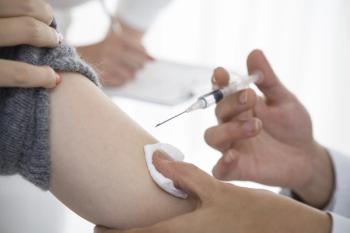
In a phase 1/2 randomized clinical trial, GlaxoSmithKline’s RSVPreF3 vaccine elicits a response.
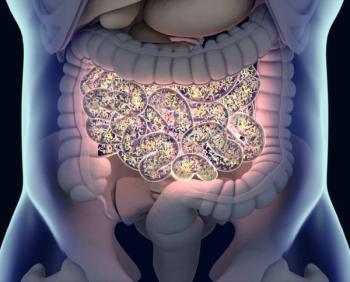
The composition of the gut microbiome is easily disrupted by antibiotics, leaving the host susceptible to further infection or other disturbance of gut flora that can lead to both short- and long-term deleterious effects.
A vaccine developer joins for a firsthand discussion on the development, research, and distribution process.

In results of a national survey, investigators pieced together a look at the psychological toll of the pandemic on physicians and identified the biggest stressors.

The CovidIQ tool successfully predicted a COVID-19 spike in Jacksonville, Florida, a full 2 weeks before it was recognized by the Florida Department of Health.