A team of investigators set out to evaluate whether TORC1 inhibitor RTB101 could increase antiviral gene expression and decrease the incidence of RTIs in older adults.
A team of investigators set out to evaluate whether TORC1 inhibitor RTB101 could increase antiviral gene expression and decrease the incidence of RTIs in older adults.

The analysis of the survey responses found a statistically significant association in denial of the biomedical discourse and dissatisfaction or mistrust of the Ebola response as indicators of social resistance.

In the Opening Plenary of IDWeek 2019, 2 bright lights in infectious disease research spoke on the sea-change brought by genomics to biomedicine and the response to infectious disease outbreaks.
A total of 168,420 dental visits included antibiotic prophylaxis, 136,177 (80%) of which were deemed unnecessary.

Adverse events led to premature discontinuation in 14% (21) of ISA patients and 53% (85) of patients receiving VOR prophylaxis.
A presentation at IDWeek 2019 gives hope for the rapid identification and isolation of extensively drug-resistant organisms.
Investigators observed no moderate, severe, cumulative, or dose-limiting adverse events leading to discontinuation, and ACX-362E was generally well-tolerated at all dose levels.

In a new study, a team of investigators set out to determine if oritavancin use can reduce the sequelae from ABSSSI treatment failures, while also preventing infection recurrences and improving patient outcomes.

An oral abstract session on public health covers the full gamut of new outbreaks, challenges from around the world.
Investigators assessed rates of all-cause mortality at Day 14 for Cefiderocol and meropenem in patients with nosocomial gram-negative pneumonia.
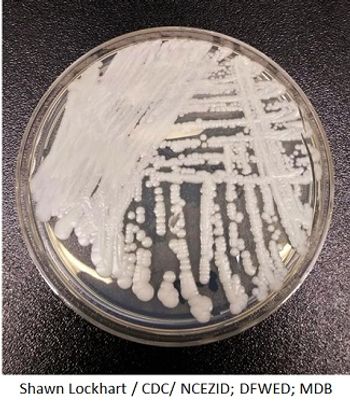
When it came to infection prevention measures, 5 of the 9 Orange County facilities with C auris displayed hand hygiene adherence < 50%, 3 had limited access to alcohol-based hand rubs, and < 60% of assessed high-touch surfaces were clean.

As September draws to a close, the Contagion® editorial team is recapping the trends and top infectious disease news of the month.
The Contagion® editorial staff will be providing exclusive written and video coverage from IDWeek 2019.
Elizabeth Hirsch, PharmD, and Elizabeth Smith, PharmD candidate, discuss fosfomycin susceptibility testing.
Minh-Hong Nguyen, MD, discusses rezafungin as a potential treatment option for intra-abdominal candidiasis.
Steven Tong, PhD, discusses the benefit of investigator-initiated studies.
László Majoros, MD, PhD, discusses how nearly all invasive fungal infections are being treated with echinocandins.

Initiating and adhering to ART is a difficult task for a significant number of people living with HIV. A new study shows that making a concerted effort to find and encourage this population to get the care they need is not an impossible dream.
Tristan Ferry, MD, PhD, discusses bacteriophage therapy as an alternative treatment for certain patients.
Marin Kollef, MD, discusses what makes the 3-gram dose regimen of ceftolozane/tazobactam unique.

The percentage of participants who achieved HIV-1 RNA< 50 copies/mL in the 0.25 mg, 0.75 mg, 2.25 mg MK-8591 dose groups was 89.7%, 90.0%, and 77.4%, respectively, at week 48.

At week 48, 83.8% of participants in the TAF/FTC/DTG arm had HIV RNA < 50 copies/mL, 84.9% for TDF/FTC/DTG and 78.6% for TDF/FTC/EFV.

GEMINI 1 & 2 are phase 3, randomized, double-blind, multicenter studies evaluating the 2-drug regimen of DTG/3TC in comparison with the 3-drug regimen of DTG + TDF/FTC.
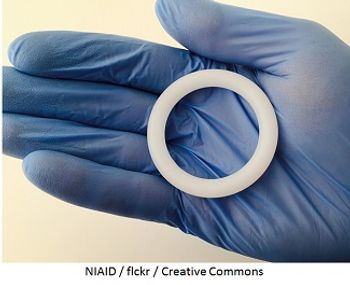
The final results of HOPE, a phase 3 open-label extension trial, show high uptake and lower-than-anticipated HIV-1 incidence.
New results indicate that the study met its primary end point for non-inferiority based on the proportion of participants with plasma HIV-1 RNA > 50 copies per mL at week 48.
Glenn Tillotson, PhD, discusses possible avenues for future research on gram-negative skin infections and inappropriate empiric therapy.

With 1329.6 person-years of PrEP use accumulated, early continuation was achieved by 79.8% of participants.
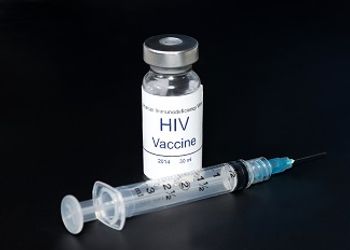
The phase 2a study compares a bivalent combination of Clade C and Mosaic gp140 with a single-valent Clade C gp140.

Providers who received the intervention materials had higher satisfaction and confidence in prescribing chronic opioid therapy than their colleagues who did not.

Matthew Girgis, PharmD, PGY-2, discusses why it's advantageous to decrease patient exposure to vancomycin.