|Articles|August 2, 2019

Prime and Pull: An Innovative Approach to HSV-2 Vaccine Development

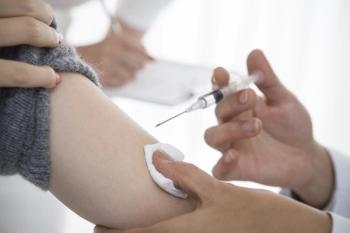
The first step (prime) is to immunize with conventional vaccines through a needle in the arm. The second step (pull), is to apply an antibiotic cream that helps attract, T cells, to the site of virus growth.

Efforts to develop a vaccine to prevent herpes simplex virus (HSV) type 2 have had limited success. HSV-2, which causes genital herpes, affects about 400 million people worldwide.

Despite the challenges of vaccine research, a team of investigators from Yale University, the University of Pennsylvania, and University of Cincinnati Children’s Hospital Medical Center conducted a study in an animal model using a new approach—the prime and pull method.

“Prime and pull strategy is a new way of vaccination which relies on 2 steps,” Akiko Iwasaki, Waldermar Von Zedtwitz Professor of Immunobiology at Yale School of Medicine, and co-corresponding author of the study, told Contagion®. “The first step (prime) is to immunize with conventional vaccines through a needle in the arm. The second step (pull), is to apply a cream containing medication that helps attract immune cells, T cells, to the site of virus growth.”

The findings of the guinea pig model were published in the journal npj Vaccines.

After the guinea pigs were vaginally infected with HSV-2, they were subsequently vaccinated with various combinations of glycoproteins and adjuvant with or without subcutaneous or local applications of the cream imiquimod after infection. Throughout the study, the subjects were monitored daily for the presence of recurring lesions and vaginal swabs were collected to measure shedding.

Results indicate that both the vaccine and imiquimod alone reduced recurrent HSV disease, but the combination (prime and pull) was the most effective.

“Immunization with the trivalent vaccine alone or imiquimod alone decreased recurrent disease,” the authors write. “However, the largest decrease was with the combination of vaccine and local imiquimod (P<0.001 vs placebo or vaccine alone).”

No effect on recurrent shedding was observed in this study.

In a second study conducted by the investigative team, recurrent disease scores were found to be similar in the control group and the trivalent-immunized group treated with subcutaneous imiquimod. However, significant reductions with glycoprotein vaccines and local imiquimod (P<0.01 vs placebo) were noted.

The investigators explain further that the number of quantitative polymerase chain reaction positive recurrent swabs ranged from 5-11% in the vaccinated + local imiquimod groups compared with 29% in the control group (P<0.05). Additionally, no recurrent swab samples from vaccinated groups were culture positive.

“Our study shows that prime and pull vaccine was able to block blisters from forming when given to guinea pigs that have recurrent herpes disease,” Iwasaki said when summarizing the highlights of the research. “In contrast, the vaccine alone had little impact on disease course.”

Iwasaki told Contagion® that her dream is to help individuals suffering from HSV-2 by developing a therapeutic vaccine.

“&#8203;We hope that the next step is to test this approach in clinical trial. We are happy to collaborate with vaccine companies to test this approach with their vaccines,” she indicated. “Prime and pull can be used with any existing vaccine platforms and is able to transform the ability of vaccines to block disease, at least in the preclinical models.


Related to this article

Pfizer 25-Valent Pneumococcal Vaccine Boosts Serotype 3 Response in Infants
Alejandra Gurtman, MD, discussed the phase 2 data at IDWeek 2026 which showed the investigational 25-valent pneumococcal conjugate vaccine 25vPnC produced serotype 3 antibody levels about 15-fold higher than Prevnar 20 after the booster dose, targeting a serotype still behind 10.6% of invasive pneumococcal disease in US children younger than five years.
FAQ: Ebola Prevention, Treatment and the Chances of a US Outbreak
As the Bundibugyo virus outbreak in the Democratic Republic of the Congo surpasses 9300 confirmed cases and 4400 deaths, this FAQ explains how the virus spreads, how it presents, why it is hard to diagnose and treat, which vaccines and therapies are being tested, and why CDC considers the risk to the United States low.
Ebola Outbreak Tops 10,000 Cases as CDC Cites Spread to Kenya, Nigeria
The CDC reports the Bundibugyo virus outbreak in the Democratic Republic of the Congo (DRC) is now the second-largest Ebola outbreak on record. As of October 28, the agency counted 10,305 total confirmed cases and 4,996 total confirmed deaths. The overall risk to the American public and travelers remains low, and no cases tied to this outbreak have been confirmed in the US.
Measles Update: October 30, 2026
The latest CDC numbers show a 5.8% increase in measles cases from week-to-week, bringing the 2026 US total to more than double the amount seen in all of 2025 with 2 months left in the year.