

Emerging literature suggests therapeutic drug monitoring for this antimicrobial to minimize the risk for linezolid-associated toxicities while maintaining efficacy in select populations.
Emerging literature suggests therapeutic drug monitoring for this antimicrobial to minimize the risk for linezolid-associated toxicities while maintaining efficacy in select populations.

Vaxxinity is moving forward with research to bring its UB-612 COVID-19 vaccine to market as a mix-and-match booster to authorized vaccines.
How do we increase HIV PrEP uptake? “I think the biggest takeaway here is that people need options,” said Travis Sanchez, DVM, MPH.
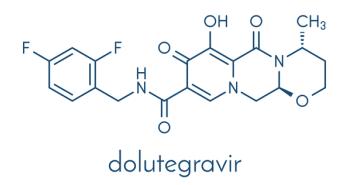
Pregnant people taking dolutegravir were more likely to achieve HIV viral suppression and less likely to have a preterm birth than participants using other forms of ART.
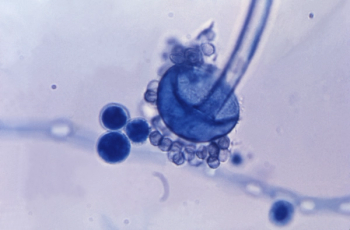
There is limited and conflicting data regarding the role of combination antifungal therapy for treatment of invasive mucormycosis.

Organizations look at an agent-based model to assess the impact of vaccination, screening, and treatment on incidence and prevalence of HBV in Ontario, Canada.
Is it safe and beneficial to administer a second immunomodulator in patients with moderate COVID-19? How do we identify which patients are likely to progress to severe disease?
Lodise breaks down significant findings from his 8 IDWeek 2022 posters.

Vaccine efficacy of 81.8% was observed against severe medically attended lower respiratory tract illness due to respiratory syncytial virus (RSV) in infants from birth through the first 90 days of life.

Remdesivir was the first FDA-approved drug to fight COVID-19, but how has it held up against the latest variants?
“In the long run, what we will have is a virus that will become endemic in our population," said Donald J. Alcendor, MD. "The idea of thinking we can chase variants with boosters is a failed effort. We must realize that.”

Prevymis showed less leukopenia and neutropenia compared to valganciclovir during the trial.

Will there be an answer to keep the continuously evolving virus at bay? Are seasonal combination vaccines the wave of the future?
Northwestern Medicine developed a testing strategy using a two-step algorithm to improve diagnostic accuracy and treatment outcomes.
One HIV clinical care program in Delaware looked into strategies to increase immunization rates to decrease severe disease as well as minimize hospital capacity.

Demystifying clinical data for treating invasive AmpC-harboring Enterobacterales.

The federal agency cited concerns regarding the manufacture and delivery of the therapy designed for adults with hepatitis delta virus (HDV).
It’s not enough to have accurate infectious disease diagnostics, they must be accessible to the patients most affected.
Entasis presented follow-up data for its therapy, sulbactam-durlobactam (SUL-DUR), and its phase 3 ATTACK trial. The company is looking at a potential mid-2023 regulatory approval.

With the population of adults with HIV growing older, incorporating age-based screenings, comprehensive assessments, and morbidity management into routine HIV care is essential in improving health outcomes and quality of life.
Polio outbreak has CDC Advisory Committee on Immunization Practices considering a novel oral vaccine 20 years after shelving its predecessor.

Nearly 150 million people were affected by common symptoms of long COVID in 2020 and 2021, according to an analysis of global data on more than 1.2 million people.

Herpes simplex viruses are chronic infections that underscore racial and ethnic disparities and are afflicting adolescents in increasing numbers.

Venatorx Pharmaceuticals is advancing the fight against difficult-to-treat, drug-resistant, gram-negative bacteria with a successful phase 3 clinical trial of its investigational antibiotic cefepime-taniborbactam.

The simple truth is that the long-lasting symptoms of COVID are something we should all be worried about.

The Clinical and Laboratory Standards Institute Subcommittee on Antimicrobial Susceptibility Testing held a virtual winter meeting and a hybrid summer meeting in 2022. Ad hoc working groups have several breakpoint revisions underway for multiple organism-drug combinations.
The US FDA has accepted a Biologics License Application (BLA) for Seres Therapeutics' SER-109, and set a Prescription Drug User Fee Act (PDUFA) action date of April 26, 2023.
A multicenter, retrospective observational study looked at appropriate antibiotics for the treatment in this patient population.

Investigators examined the profiles of the HepB-CPG vaccine and HepB-alum vaccines to study the onset of select immune-mediated diseases, herpes zoster, or anaphylaxis.
A late-breaking IDWeek 2022 study found high seroprotection was achieved among people living with HIV after receiving 3 doses of a hepatitis B vaccine.