

Monthly elebsiran plus tobevibart achieved undetectable HDV RNA with ALT normalization in 44% of patients at week 48 in the pivotal phase 3 ECLIPSE 1 trial.
Monthly elebsiran plus tobevibart achieved undetectable HDV RNA with ALT normalization in 44% of patients at week 48 in the pivotal phase 3 ECLIPSE 1 trial.
Deborah Fuller, PhD, provides commentary around the data, and advantages of the technology.
CDC reports 10,772 confirmed Ebola cases and 5234 deaths, making this the second-largest outbreak on record. Kenya and Nigeria have reported cases.

IDSA and ESCMID released 7 consensus statements to assist in managing individuals with SAB. This review will focus on the adult patient population and additional information on pediatric population statements can be assessed in the guideline. Here is a closer look at Consensus Statement 2: Follow-up Blood Cultures.

IDSA and ESCMID released 7 consensus statements to assist in managing individuals with Staphylococcus aureus Bacteremia (SAB). This review will focus on the adult patient population and additional information on pediatric population statements can be assessed in the guideline.

New data from the PETERPEN trial suggest that piperacillin-tazobactam may be noninferior to meropenem for early clinical outcomes in select patients with ESBL bloodstream infections, but carbapenems remain the standard of care until final mortality results are available and fully analyzed.

Recent urinary tract infection guideline updates from multiple international medical societies highlight evolving recommendations, including a major shift in classification, moving from anatomy- and risk factor–based definitions toward distinguishing localized from systemic infections.

Confirmed US measles cases rose 6.8% this week to 5,182, more than double the 2025 total, as three states reported measles-associated deaths.
Li Tao, PhD, discusses early US uptake of twice-yearly lenacapavir, faster prescription-to-injection timelines, and how ACA coverage milestones tracked with zero cost sharing and HIV diagnoses.
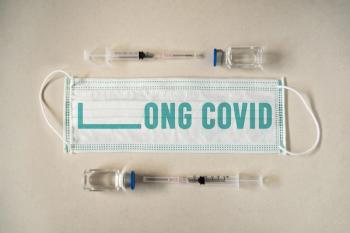
In a target trial emulation using N3C data, adults prescribed metformin within six days of SARS-CoV-2 infection had about half the risk of long COVID or death within six months.

Approximately half of Long COVID patients were found to have meaningful symptom improvement within 3 years after acute infection and more than a quarter had completely remitted, in a large prospective cohort study.
Charles M. Walworth, MD, of Labcorp discusses a new hepatitis D reflex pathway, internal data showing 8.3% of HBsAg-positive patients screened for HDV, and lessons from hepatitis C reflex testing.

The antifungal pipeline currently contains 22 agents in the clinical program and many more in the pre-clinical program. Novel products in the clinical program are especially encouraging.

Dr. Reddy’s generic twice-yearly lenacapavir received FDA tentative approval for HIV PrEP. It is expected to cost $40 a year in 120 low- and middle-income countries (LMICs), with first supplies due by the end of 2026.

David Altarac, MD, discusses 2025 SENTRY data, ESBL considerations in empiric therapy, and where ceftobiprole fits alongside ceftaroline in S aureus bacteremia.
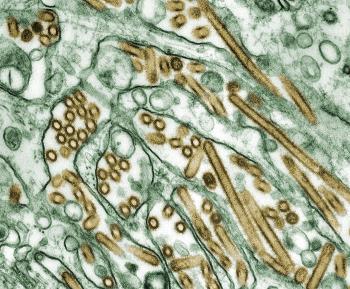
A Yakima County resident exposed to infected dairy cattle has died of avian influenza. A third human case has also been confirmed as H5N1 spreads to 33 herds in the county.
Jean van Wyk, MBChB, MFPM, discussed the 5-year OPERA data from IDWeek 2026 as well as the anticipated CROWN study results.

Voceryq earned FDA accelerated approval for adults with RRP after 7 of 26 patients (27%) needed no surgery for 12 months in RRP-001; a confirmatory trial is required.

Cefiderocol MICs fell against Pseudomonas aeruginosa and Klebsiella pneumoniae, and the drug showed marked synergy with LL-37 against resistant Acinetobacter baumannii. Jacinda Abdul-Mutakabbir, PharmD, MPH, AAHIVP, discusses her team's findings around this therapy and these pathogens.

In a national survey of 959 US adults, 27.9% said they had exaggerated or made up symptoms to obtain antibiotics, most often cold-like symptoms, with implications for outpatient stewardship.

The CDC reports the Bundibugyo virus outbreak in the Democratic Republic of the Congo (DRC) is now the second-largest Ebola outbreak on record. As of October 28, the agency counted 10,305 total confirmed cases and 4,996 total confirmed deaths. The overall risk to the American public and travelers remains low, and no cases tied to this outbreak have been confirmed in the US.
The latest CDC numbers show a 5.8% increase in measles cases from week-to-week, bringing the 2026 US total to more than double the amount seen in all of 2025 with 2 months left in the year.

An APP-driven complex outpatient antimicrobial therapy (COpAT) program for patients with bone and joint infections cut mean time to post-discharge follow-up from 20.1 to 9.7 days but did not significantly reduce 30-day readmissions or emergency department visits.

Shionogi data presented at IDWeek 2026 demonstrated a 76.7% clinical response with cefiderocol in carbapenem-resistant respiratory infections and high in vitro activity against resistant P aeruginosa VAP isolates. Christine Slover, PharmD, vice president, Infectious Diseases US Medical Affairs, Shionogi, offers insights on the data as well as clinical considerations for providers when weighing the antibiotic for patients.

Labcorp data presented at IDWeek 2026 show measles PCR testing nearly quadrupled and positivity rose sharply from April 2025 through March 2026, as clinicians shift toward guideline-recommended molecular testing amid ongoing US outbreaks.

Company announces first AI-designed personalized phage treatment for antibiotic-resistant bacterial infection in human patient.

As France confirms the first documented human Shamonda virus infection, a fatal encephalitis in a stem cell transplant recipient, this FAQ explains what the virus is, where it has spread, how the case was diagnosed, how the patient was likely infected and what clinicians should watch for.

In this first IDWeek 2026 roundup, oral olorofim matched AmBisome in invasive aspergillosis, aztreonam-avibactam held activity as MBL-producing CRE rose, pritelivir cut hospitalizations in refractory HSV, and zelicapavir shortened RSV symptoms in high-risk adults.
David Altarac, MD, discusses the 2026 IDSA guidance, which prioritizes sulbactam-durlobactam plus a carbapenem for invasive carbapenem-resistant Acinetobacter infections.

Investigational agent Zelicapavir cut time to complete RSV symptom resolution by up to a week and lowered hospitalization in high-risk adults.