
The latest CDC numbers show a 5.92% increase of measles cases from week-to-week. This is a decrease in the percentage of cases from last week where there was a 9.18% increase.
The latest CDC numbers show a 5.92% increase of measles cases from week-to-week. This is a decrease in the percentage of cases from last week where there was a 9.18% increase.
The latest CDC numbers show a 9.18% increase of measles cases from week-to-week. This is an increase in the number of cases from last week where there was a 6.3% increase.
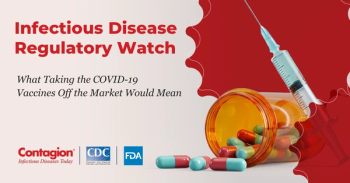
In this month's column, we look at the leadership change at CDC, an amicus brief supporting the AAP's lawsuit against HHS changes to the pediatric vaccine schedule, and potential clinical repercussions around the reports the federal government is considering removing the COVID-19 vaccine from the market.
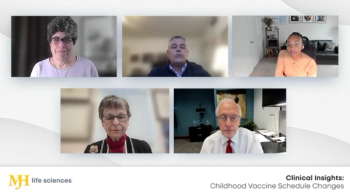
In the final episode, the panelists offer some insights around following the federal agencies' ever-changing vaccine policies and the value of following professional medical societies' guidance during this period of uncertainty.
In this episode, the panelists discuss the potential concerns around changing vaccine guidelines and the importance of the American Academy of Pediatrics (AAP) stepping in to offer their recommendations.
The Centers for Disease Control and Prevention’s Advisory Committee on Immunization Practices (ACIP) was supposed to convene this week to discuss COVID-19 vaccines. However, a district court’s decision to block recent vaccine policy changes has delayed the committee's meeting amid ongoing controversy over immunization guidance and rising public health concerns such as measles outbreaks. Here is some commentary on the inner workings of the current ACIP.

A district court judge has ruled against the current administration's vaccine policies and throws into jeopardy this week’s Advisory Committee on Immunization Practices meetings that were scheduled to discuss COVID-19 vaccines.
In this episode, the panelists discuss the probability that with vaccine recommendations changing across states and federally, costs could shift to families and increase health disparities.
The latest CDC numbers show a 6.3% increase of measles cases from week-to-week. This is a decrease in the number of cases from last week where there was a 12.76% increase.
In this episode, the panelists talk about how they broach conversations with expectant mothers around counseling on vaccinations for their babies.
The FDA’s Vaccines and Related Biological Products Advisory Committee (VRBPAC) unanimously voted for a trivalent vaccine composition for use in the US, protecting against influenza A (H1N1 and H3N2) and influenza B (Victoria lineage).
In this episode, the panelists discuss how the pediatric immunization schedule changes could potentially influence vaccines' inequities, and how vaccine education continues to play a significant role in immunization uptake and improving health equity.
In this episode, the panel discusses the continued importance of getting all children vaccinated and the potential unintended consequences of fewer individuals being immunized if the current trends continue.
The rate of HBV vaccination of newborns in the US has declined by over 10% in the past 2 years, reversing decades of increasing coverage.

The FDA’s biologics center faces another leadership shake-up as Vinay Prasad, MD, MPH, plans an exit in April, leaving questions over vaccine rules and gene-therapy approvals.
The latest CDC numbers show a 12.76% increase of measles cases from week-to-week. This is a slight decrease in the number of cases from last week where there was a 15.7% increase. The data also shows outbreaks in 3 new states.
Despite the absence of vaccine data to support making changes, the ACIP continues to alter the pediatric schedule that will see less children getting immunized against vaccine-preventable diseases.
In this episode of our roundtable discussion, the panelists talk about the changes to the CDC’s ACIP meetings.
As the US continues to undergo massive policy changes to the childhood vaccine schedule, clinicians and families are left uncertain on recommendations and guidance. Our roundtable looks to provide some insights and answer questions to some of the more pressing topics about this evolving issue.
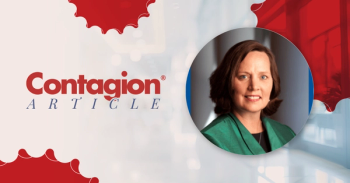
A new modeling analysis shows the potential increases in cases, hospitalizations, deaths, as well as the healthcare costs associated with declining vaccination rates. Patricia Stinchfield, RN, MS, CPNP, offers commentary on the evolving measles outbreaks, discusses the vulnerable populations that are more at risk for contracting severe measles, and strategies to increase vaccination.
Patricia A Stinchfield, RN, MS, CPNP, discusses her medical experience caring for patients with it, and what fellow clinicians and the general public should know about less-discussed details and potential complications.
The latest CDC numbers show a 15.7% increase of measles cases from week-to-week. This is another large jump in cases, especially from last week where there was a 7.8% increase. The data also shows further outbreak spread across more states.
This week, read about the changes to the pediatric vaccine schedule, RSV protection, the FDA reversing course on Moderna's influenza vaccine, and more.
The latest CDC numbers show a 7.9% increase of measles cases from week-to-week. While the number of new measles cases are down from the previous week, there are more states and outbreaks circulating throughout the US.
In this month's column, we look at the recommendation changes made by the CDC to the pediatric vaccine schedule, as well as the American Academy of Pediatrics' response with its own vaccine schedule.

The federal agency is bringing over NIH Director Jayanta "Jay" Bhattacharya, MD, PhD, to fill the position.

After initially refusing to review Moderna’s investigational mRNA-based seasonal influenza vaccine, the company communicated with the FDA on a revised proposal to seek approval and the federal agency will now review the product. The vaccine's PDUFA decision date is August 5, 2026.
The latest CDC numbers show a nearly 25% increase of measles cases from week-to-week. This marks 2 weeks in a row with a nearly identical increase of cases by percentage, and there are now 5 outbreaks circulating throughout the US.

Robert Hopkins Jr, MD, medical director of the National Foundation for Infectious Diseases (NFID) describes the potential consequences, including morbidity and mortality rates, if the federal government removed these vaccines.

New amicus brief from scholars and professional organizations including the American Thoracic Society and American Academy of Allergy, Asthma & Immunology supports AAP lawsuit against HHS changes to pediatric vaccine schedule.