

The Center for Discovery and Innovation’s chief scientific officer David Perlin, PhD, discusses the factors for the growing number of cases and the difficulties in developing such treatments.
The Center for Discovery and Innovation’s chief scientific officer David Perlin, PhD, discusses the factors for the growing number of cases and the difficulties in developing such treatments.
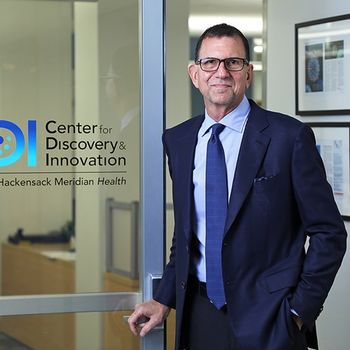
The center’s chief scientific officer David Perlin, PhD, provides some insights on the evolution of its antiviral program from its foundation in treating COVID-19 to addressing all pan-coronaviruses.

George Sakoulas, MD, discusses how antimicrobial selection for patients with pneumonia depends on illness severity, seasonal pathogen patterns, comorbidities, and prior antibiotic exposure, with particular attention to high-risk populations requiring tailored therapy.
George Sakoulas, MD, discusses how COVID-19 has disrupted traditional respiratory virus patterns with summer surges now preceding the typical winter influenza season, while declining vaccine uptake among younger populations threatens to leave vulnerable groups increasingly exposed to seasonal illness complications.

William Schaffner, MD, reviews clinical workup, treatment, and preventative measurements.

Panelists discuss the urgent need to ensure equitable access to novel antibiotics, highlighting global and domestic disparities, the vital role of stewardship programs, and the importance of innovative distribution models, international collaboration, and systemic reforms to bring lifesaving treatments to resource-limited settings.
Panelists discuss the complex, systemwide stewardship considerations for incorporating new antibiotics targeting resistant pathogens, emphasizing the need for real-world efficacy data, thoughtful formulary restrictions, and tailored strategies for outpatient use to ensure safe, effective, and sustainable adoption across diverse care settings.
Panelists discuss how regulatory incentives are advancing antimicrobial development, enabling a shift away from older, toxic agents like colistin, while acknowledging that despite the superiority of newer therapies, polymyxins still retain a limited role in rare, highly resistant infections where no better alternatives exist.
Panelists discuss how the clinical use of new antibiotics often extends beyond US Food and Drug Administration (FDA)–approved indications, driven by microbiological activity and clinical judgment, while highlighting the role of regulatory incentives like Qualified Infectious Disease Product (QIDP) in accelerating drug development and the need for careful, collaborative interpretation of limited trial data to ensure responsible off-label use.
Panelists discuss the challenges of implementing susceptibility testing for new antibiotics, emphasizing the need for close lab-clinician collaboration, streamlined reflex testing protocols, and investment in diagnostic infrastructure to ensure timely and effective treatment of multidrug-resistant infections.
Panelists discuss the evolving landscape of novel antibiotic combinations targeting metallo-β-lactamase (MBL)–producing and other multidrug-resistant Gram-negative bacteria, emphasizing promising early data despite limited clinical trials, the complexity of resistance mechanisms, and the potential for these therapies to improve outcomes and shape future treatment strategies.
Panelists discuss the innovative use of the aztreonam-avibactam combination to combat complex β-lactamase–mediated resistance, highlighting promising laboratory data, challenges in clinical trial enrollment for resistant infections, and the ongoing need for further research to define its role in treating multidrug-resistant Gram-negative pathogens.
Panelists discuss the real-world challenges of managing infections caused by highly resistant organisms, highlighting the impact of limited access to novel diagnostics and therapeutics, the complexities of outpatient treatment, and the urgent need for broader-spectrum agents and improved delivery methods in resource-constrained settings.

Jennifer Le, PharmD, MAS, FIDSA, FCCP, FCSHP, discusses her collaboration on this innovative work with this therapy in severely ill children.

Episode 2, Part 4, Robert Bransfield, MD, connects neural circuits, inflammatory responses to infection, and impulsivity in violent behavior.

Part 2 on coverage across payers, evidence needs for COVID-19, hepatitis B, and MMRV, and clinician messaging for maternal and newborn protection.

In our continuing conversation with Victor Nizet, MD, he discusses how his laboratory is studying how to repurpose antibiotics that susceptibility testing had shown to not be efficacious against certain infections.
In part 1 of our conversation, the VP of the NFID discusses ACIP’s recent meeting, including COVID-19 shared decision-making, informed-consent debates, and new policy actions on hepatitis B and MMRV.

Pranita Tamma, MD, MHS, discusses recent studies comparing ceftolozane-tazobactam and ceftazidime-avibactam for drug-resistant Pseudomonas infections, emphasizing similar mortality outcomes, high rates of emerging resistance, and the importance of stewardship practices that prioritize preserving ceftazidime-avibactam for broader clinical use.
Victor Nizet, MD, discusses how students can thrive at the university’s Skaggs School of Pharmacy and Pharmaceutical Sciences. He discusses the school's features including its rigorous coursework, focus on research, and community-based health care opportunities.
Panelists discuss the critical need for a coordinated, multidisciplinary approach to managing infections caused by metallo-β-lactamase (MBL)–producing organisms, emphasizing early identification, containment, careful selection of limited therapeutic options, and stewardship-guided use of novel agents to preserve their long-term effectiveness.
Panelists discuss practical strategies for empiric antibiotic selection in the face of rising multidrug resistance, stressing the importance of infection confirmation, patient risk assessment, local resistance data, and stewardship-guided use of newer agents to ensure appropriate and sustainable treatment decisions.
Ryan Shields, PharmD, MS, discusses the challenges of incorporating newer antibiotics for gram-negative infections, how he is using broad-spectrum antimicrobial agents for these infections, and the factors he looks for in considering new agents.
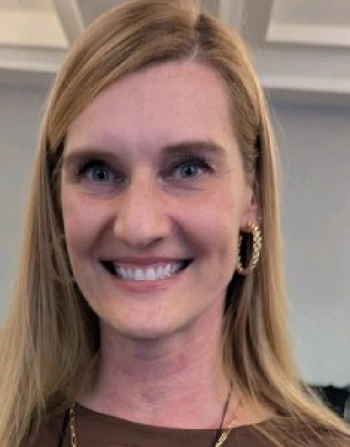
Monica V. Mahoney, PharmD, BCPS, BCIDP, FCCP, FIDSA, FIDP, FMSHP, provides insights on the outpatient side of therapy, including treating outpatients for gram-negative infections.

Rodney E. Rohde, PhD, SV/SM/MB(ASCP)CM, FACSc, offers some insights on the latest diagnostics, susceptibility testing for newer antimicrobials, and how infectious disease clinicians and laboratory professionals can collaborate on challenging cases.
Panelists discuss the pivotal role of microbiology laboratories and rapid diagnostic technologies in managing multidrug-resistant infections, highlighting their impact on timely treatment, antibiotic stewardship, and the need for interdisciplinary collaboration to effectively interpret and act on resistance data.
Panelists discuss emerging therapies for multidrug-resistant Gram-negative pathogens, focusing on the rising threat of antimicrobial resistance, evolving resistance mechanisms like extended-spectrum β-lactamases (ESBLs) and New Delhi metallo-β-lactamases (NDMs), regional variability in pathogen prevalence, and the clinical implications for treatment in inpatient and outpatient settings.
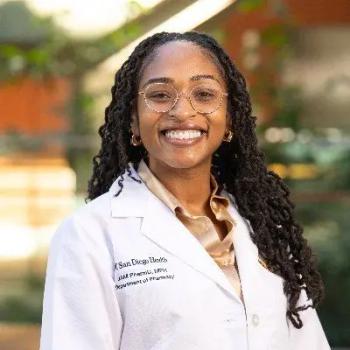
Jacinda Abdul-Mutakabbir, PharmD, MPH, provides insights on her recently published study on this topic and how the 2 are connected.