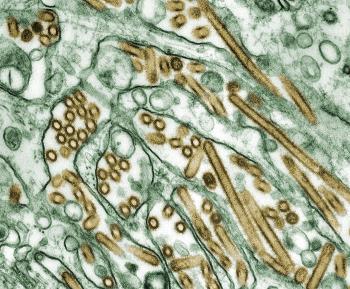
A Yakima County resident exposed to infected dairy cattle has died of avian influenza. A third human case has also been confirmed as H5N1 spreads to 33 herds in the county.
The unprecedented demand for the pediatric RSV immunization, nirsevimab-alip, has resulted in a dramatic uptake in production.
This
Manufacturers of the RSV vaccine nirsevimab-alip (Beyfortus; Sanofi, Astra Zeneca) announced additional dosages of this pediatric immunization would be made available in the United States in January 2024. The Sanofi and Astra Zeneca partnership with the CDC and FDA to deliver doses of this injection has resulted in an additional 77,000 doses being made available now, with 230,000 more doses (made up of 50mg and 100mg) in January.1
Earlier this year, the
“RSV can cause serious disease in infants and some children and results in a large number of emergency department and physician office visits each year,” John Farley, MD, MPH, director of the Office of Infectious Diseases in the FDA’s Center for Drug Evaluation and Research, said in a statement at the time of the approval. “Today’s approval addresses the great need for products to help reduce the impact of RSV disease on children, families and the health care system.”
The increased production will bring the current RSV season to an immunization rate of nearly 40%, resulting in protection of 1.4 million babies against RSV (a nearly 30% increase over the initial supply forecast for this season).1
"Since early October, we have been working closely with the CDC and Food and Drug Administration to deliver additional doses this season and holding weekly touchpoints since November," a Sanofi press statement read. "We have also welcomed engagement with the CDC, the Office of Pandemic Preparedness and Response (OPPR) and other Health and Human Services and White House officials through regular meetings."
The manufacturers acknowledges that the demand for nirsevimab has been unprecedented.
Yesterday, the CDC put out a health advisory titled, "Need to Increase immunization coverage for influenza, COVID-19, and RSV and use of authorized/approved therapeutics in the setting of increased respiratory disease activity during the 2023 – 2024 winter season. "In the past 4 weeks, hospitalizations among all age groups increased by 60% for RSV," the advisory state. "Providers should leverage all available tools to increase immunizations against influenza, COVID-19, and RSV."2
References
1. Sanofi Beyfortus (nirsevimab-alip) injection update. News release. Sanofi; December 14, 2023. Accessed December 15, 2023.
2. Centers for Disease Control and Prevention. Urgent need to increase immunization coverage for influenza, COVID-19, and RSV and use of authorized/approved therapeutics in the setting of increased respiratory disease activity during the 2023 – 2024 winter season. December 14, 2023. Accessed December 15, 2023.