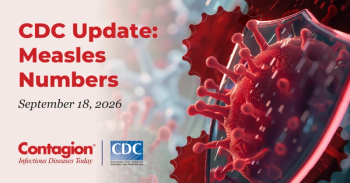
The latest CDC numbers show a 5.37% increase of measles cases from week-to-week. In Pennsylvania, the fourth measles-related death was reported in 2026. Additionally, the CDC has made a change in the way it will report deaths.
The company made the announcement Monday night.
Johnson & Johnson (J&J) announced Monday night they had paused their COVID-19 clinical trials due to an unexplained illness in a vaccine participant.
“We have temporarily paused further dosing in all our COVID-19 vaccine candidate clinical trials, including the phase 3 ENSEMBLE trial,” the company said in a statement they released last night.
The company did not offer any more information about the illness. “We must respect this participant’s privacy. We’re also learning more about this participant’s illness, and it’s important to have all the facts before we share additional information.”
In late September,
“Based on these results and following discussions with the U.S. Food and Drug Administration (FDA), ENSEMBLE will enroll up to 60,000 volunteers across three continents and will study the safety and efficacy of a single vaccine dose versus placebo in preventing COVID-19,” said in a statement at that time.
Earlier that same month, AstraZeneca and the University of Oxford has been put their
The AstraZeneca and the University of Oxford trials in the UK have since resumed but not in the United States.