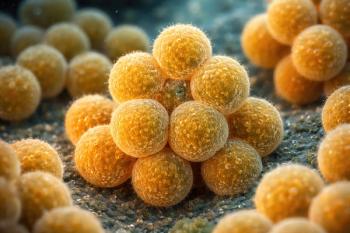
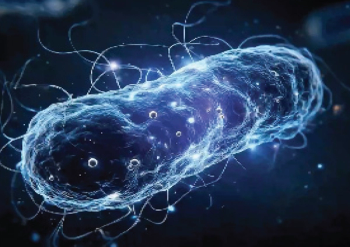
In a number of studies, scientists have identified many of the mechanisms that drive antibiotic resistance, and now a new study from University of Copenhagen researchers explains how bacterial pathogens elude antibiotics. Their paper, published in the journal Science, sheds light on why some bacteria are able to cause recurrent and prolonged infections. While studying the molecular architecture of certain bacteria, the research team identified what they call “persister cells,” which help pathogens evade the damaging effects of antibiotic drugs, making some infections untreatable. These cells enable bacteria to essentially enter a dormant state, comparable to hibernation, regardless of whether or not a particular pathogen has any of the genes for antibiotic resistance.
“This amazing resilience is often due to hibernation in a physiological state called persistence where the bacteria are tolerant to multiple antibiotics and other stressors,” said study author Alexander Harms, PhD, in a recent press release from the University of Copenhagen. “Bacterial cells can switch into persistence by activating dedicated physiological programs that literally pull the plug of important cellular processes. Once they are persisters, the bacteria may sit through even long-lasting antibiotic therapy and can resuscitate to cause relapsing infections at any time after the treatment is abandoned.”
The formation of persister cells occur under conditions such as hostile host environments, say the authors, as well as in response to damage caused by sublethal concentrations of antibiotics. “Regularly growing bacteria differentiate into persister cells stochastically at a basal rate, but this phenotypic conversion can also be induced by environmental cues indicative of imminent threats for the bacteria,” note the authors in their paper, which goes on to note two major pathways of persister formation in Escherichia coli bacteria. “Consequently, persister formation is stimulated under conditions that favor the activation of these signaling pathways.”
While the discovery of persister cells offers a new direction for researchers studying antibiotic resistant bacteria and how to effectively fight them, the study notes that the ability of these cells to survive the lethal effects of antibiotics is still not entirely understood.