|Articles|March 1, 2018

Oral Influenza Vaccine Produces Favorable Results in Phase 2 Trial

The results of the trial revealed that the tablet reduced the rate of infection with influenza by 48%.

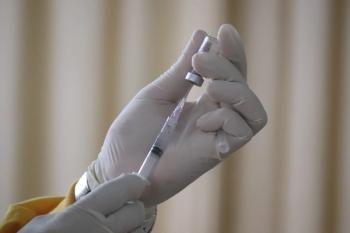
An investigational H1 influenza oral recombinant tablet vaccine from Vaxart, Inc has shown favorable results in a phase 2 challenge trial comparing it with placebo and an injectable quadrivalent influenza vaccine (QIV). The results of the trial revealed that the tablet reduced the rate of infection with influenza by 48%, while the QIV reduced the infection rate by 38%.

The phase 2 randomized, double-blind study consisted of 3 groups of adult subjects ages 19 through 49. The participants either received a dose of the oral tablet vaccine and a placebo injection, a placebo tablet and QIV injection, or a placebo tablet and placebo injection.

After 90 to 120 days, the participants were exposed intranasally to a strain of influenza A. If a subject had detectable viral shedding on any day after the first 36 hours from exposure, they were deemed to be infected with influenza. According to the study results, 37% of the participants that received the oral tablet vaccine developed influenza, compared with 44% of participants who received the injectable QUIV, and 71% of participants who received both placebos.

“These results suggest that our tablet vaccine has the potential to provide superior protection against influenza,” said Wouter W. Latour, MD, chief executive officer of Vaxart in a press release. “Combined with the favorable safety profile and the convenience of a tablet, we believe that our oral influenza vaccine will offer invaluable advantages over currently available injectable vaccines and could help increase vaccination rates and reduce the significant morbidity and mortality caused by influenza, a major public health objective.”

In 2015, Vaxart received $13.9 million from the Biomedical Advanced Research and Development Authority (BARDA), a division of the US Department of Health and Human Services (HHS), to support the development of influenza vaccines to prepare for seasonal and pandemic influenza. In 2017, BARDA, increased the contract to $15.7 million.

Vaxart is also exploring oral tablet vaccines designed to protect against other health issues including norovirus and respiratory syncytial virus.



Related to this article

NFID Survey Finds Respiratory Vaccine Gap Driven by Lack of Clarity, Not Hesitancy
The National Foundation for Infectious Diseases (NFID) recently held its respiratory season kick-off, which included the release of its annual respiratory disease survey. This year, the survey revealed the gap between vaccine support and uptake. Robert Hopkins Jr, MD, medical director of NFID delves deeper into the findings of the survey and the vaccine uptake challenges associated with certain immunizations.
Measles Update: October 9, 2026
The latest CDC numbers show a 5.0% increase of measles cases from week-to-week. The US total reached 4080 confirmed cases, 78% above all of 2025.
FAQ: What You Need to Know About Measles in 2026
With US measles cases nearing 3,900 this year and Pennsylvania reporting its fifth measles-related death, here is a review of how the virus spreads, how it is prevented and managed, and what severe disease looks like.
FAQ: Pneumonic Plague
A laboratory technician at a Siberian anti-plague institute has died of pneumonia of unknown cause, prompting quarantines and contact monitoring while Russian officials stop short of confirming plague.