|Videos|September 22, 2016

What is the "Ideal" Treatment Method for Antibiotic-resistant Bacteria?

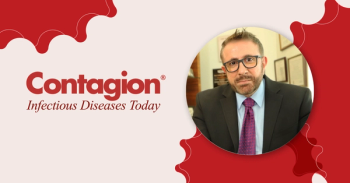
Barry Kreiswirth, PhD, founding director, Public Health Research Institute Tuberculosis Center, professor of medicine at Rutgers University, discusses the “ideal” treatment method for antibiotic-resistant bacteria.

Barry Kreiswirth, PhD, founding director, Public Health Research Institute Tuberculosis Center, professor of medicine at Rutgers University, discusses the “ideal” treatment method for antibiotic-resistant bacteria.

Interview Transcript (slightly modified for readability)

“Wearing my ‘tuberculosis hat,’ the one thing that we’ve learned historically, and the HIV community has learned this as well, [is that] the best way to treat bacteria that are drug-resistant is to actually treat them with multiple drugs.

Now, the problem is that we don’t have new, effective drugs, never mind more than one. The dilemma is that if you develop a good, effective drug, you want to keep it on reserve, but that just becomes problematic because even though from a societal point of view it’s the right thing to do, a patient and a doctor have a different relationship, and if a doctor has to treat a patient and that’s the only drug available, it’s his or her responsibility to treat.

We do have a dilemma now from a public health point of view and a societal point of view to a doctor-patient relationship. The doctor-patient relationship trumps our public health concerns, but it does say that we better get new, effective therapy because even the doctors are really struggling to be able to get successful treatment options.”


Related to this article

Ceftriaxone Safety: Separating Signal From Risk
A retrospective multihospital study found that severe adverse events occurred at similarly low rates with ceftriaxone and other IV cephalosporins suggesting there is no evidence to support avoiding ceftriaxone despite recent health department safety alerts.
Treatment of Latent Tuberculosis in a Trice
A retrospective study of 225 patients across Cook County Department of Health clinics found that the novel 1-month 1HP regimen (isoniazid plus rifapentine) for latent TB infection had a completion rate comparable to standard longer regimens and was well tolerated, suggesting it may be a viable shorter alternative.
Peggy Lillis Foundation Will Honor C diff Advocates at Annual Gala
The Peggy Lillis Foundation will host its 17th Annual Changing the Odds Gala this month in New York City, and it will include a casino, fellowship amongst the C diff community, and an award ceremony honoring a physician-scientist, philanthropist, a researcher, and a patient advocate for their contributions to C difficile awareness, treatment, and prevention.