

Scientists sought to figure out whether rapid diagnostic tests could be used to determine the susceptibility of P aeruginosa to 2 new therapies. The answer was yes, but with caveats.
Scientists sought to figure out whether rapid diagnostic tests could be used to determine the susceptibility of P aeruginosa to 2 new therapies. The answer was yes, but with caveats.

New research finds that the flu vaccine is more successful in women than in men, but the complexity of the issue makes it difficult to know exactly why that is.
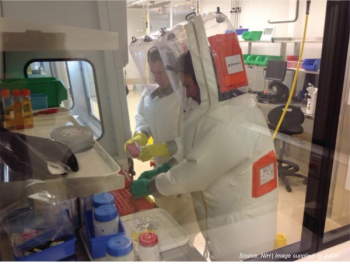
The National Emerging Infectious Disease Laboratories at Boston University have the latest equipment, security redundancies, and airtight procedures and protocols. Yet, as they begin work on Ebola and Marburg, they cannot eliminate the risk of human error.
Investigators who evaluated the death of a 78-year-old man following a blood transfusion say there’s little that could have been done to prevent the infection.

New research shows that incidences of suicidality were higher among patients who were prescribed EFV compared to a control group; the results indicate that EFV, rather that treatment initiation timelines, were correlated with suicidal behavior.

As more and more health care organizations embrace environmental sustainability, experts say epidemiologists need to have a seat at the table to stave off infection control and prevention concerns.

A new review finds antibiotics aren’t effective for osteomyelitis in sacral pressure ulcers where the bone is exposed.
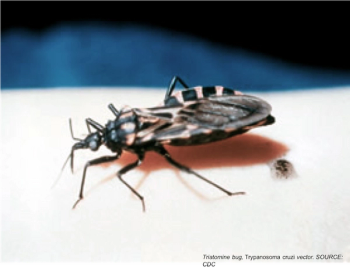
A new CDC report finds most states don’t track Chagas disease, but the agency says states should consider doing so if they have a large population of immigrants from countries where the disease is endemic.

New research finds patients with HIV living in 5 southern states had lower rates of viral suppression and linkage to care compared to people in northern states.
Suicide is a major problem for many patients with infectious diseases but pinpointing the exact cause has proven difficult.
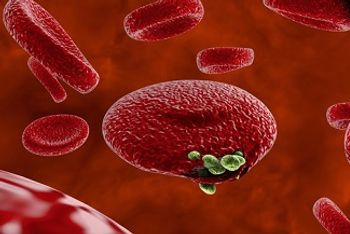
A new analysis finds samples of capillary blood are more likely than venous blood samples to indicate the presence of malaria.
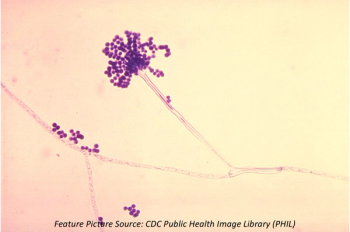
A new study looks at the process by which A. fumigatus crosses the airway epithelium, positing a theory involving the use of actin to tunnel into cells.

Study data suggest stimulants could be causing the virus to become more active and could expand the HIV reservoirs of patients.
With optimal distribution, even low-efficacy flu vaccines can make a difference, although their benefits vary somewhat depending on which age group has a high uptake rate.
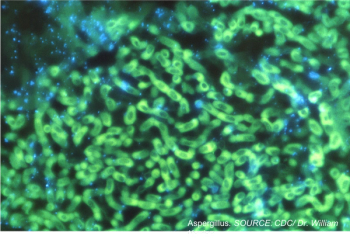
A new analysis shows Invasive Aspergillosis remains rare but has become more common. On the positive side, hospitalization length and mortality rates have dropped.
A new literature review offers a summary of the latest research into uncomplicated bacteremia.

New software unveiled last month suggests hospitals could make patient-specific predictions of antibiotic susceptibility.
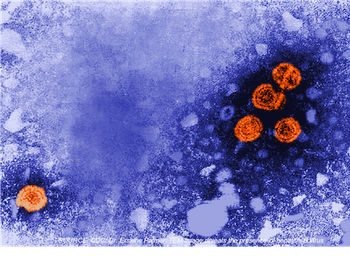
Researchers have identified the OX40 pathway as playing a key role in viral clearance.

Investigators set out to find out why pertussis rates in the United States have been rising steadily despite the availability of a vaccine.

Public health officials cite zoonotic disease as the top pandemic threat, yet the task of predicting or preparing for a pandemic remains difficult.
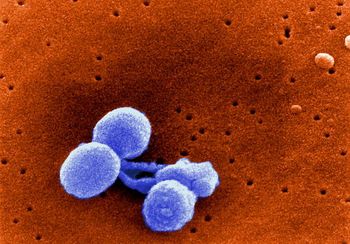
An Australian study found patients were better informed and more empowered when they signed up for a national registry of spleen disease patients.
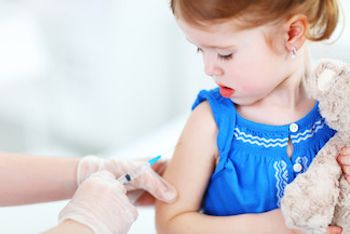
New research from Australia supports the use of booster doses of the pneumococcal conjugate vaccine, but it shows overall effectiveness is high.

Infectious disease physicians often have to fight to garner the attention of policymakers.

Efforts to curb antimicrobial resistance have hit a brick wall in India, where new research finds unapproved drug combinations are rampant.
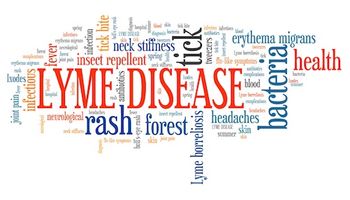
A small portion of individuals with Lyme disease continue to have symptoms of arthritis long after treatment. Now, scientists think they have a better understanding of the cause of that lingering reaction.
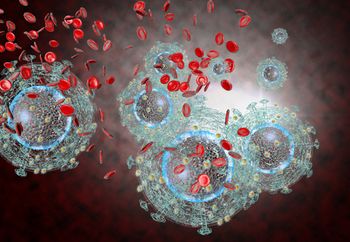
A viral therapy developed to target cancer cells, also appears capable of destroying HIV-infected cells.

Researchers from Columbia University have developed their own “nowcasting” model, which leverages online search trends to gain a picture of current, local influenza outbreaks.

Although there have been important improvements to existing vaccines, the list of vaccine-preventable diseases has barely changed at all in over two decades.
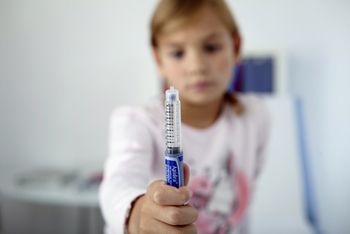
Researchers from Washington University, in St. Louis, find correlations between specific groups of intestinal viruses and the risk of type 1 diabetes.