
A retrospective analysis of the DRIVE-FORWARD and DRIVE-AHEAD trials shows treatment-naive patients particularly fared well from the novel agent.
Kevin Kunzmann is the vice president of content for Contagion at its parent company, MJH Life Sciences.
A retrospective analysis of the DRIVE-FORWARD and DRIVE-AHEAD trials shows treatment-naive patients particularly fared well from the novel agent.

How the inflammatory-based syndrome is affecting US children during the COVID-19 pandemic.

A discussion on how the pediatric inflammatory syndrome has begun to affect the US months into the pandemic.

A discussion with a Yale expert on what new CDC data shows.
The indication is granted on the strength of clinical evidence showing 60% of treated patients achieved HIV RNA suppression at 96 weeks.

The status of emergency departments in the city during the pandemic's migration west.

Bradley Sherman, MD, shares insight as to what goes into a respiratory ventilator recovery unit.

A look at how the state became a belated hotspot, and what may help reduce future infection growth.
The finger-prick test showed 98.8% specificity for novel coronavirus in assessments including 1500 patients.

Some countries have been proactive in patient logging and tracking. How can even retroactive assessment benefit future preventive responses?

A look at 3 major headlines in COVID-19 news on June 15, 2020.
The anti-malaria drugs—and clinical trials assessing their benefit—have been under close scrutiny since the EUA was first granted in late March.
Findings show states who followed stay-at-home orders indeed flattened their curves. Now what?
The therapy showed majority benefit in viral suppression at nearly 1 year among younger patients.
ChromaCode now intends to use its own multiplexing technology to help launch a COVID-19 assay later this year. The assay would combine multiple respiratory viruses into a single test in anticipation of the upcoming flu season.

Pinar Karaca-Mandic, PhD, explains new research showing how exponentional rates of hospitalizations were avoided in 4 shut-down states.

An assessment observing 4 states under stay-at-home orders showed all avoided worsened outcomes of severe infection rates.
The Merck combination antibiotic has been previously approved for cUTIs and complicated intra-abdominal infections.

Why people may need to readjust their expectations around COVID-19 clinical data and drugs.

A look at the means by which clinicians are quantifying and evaluating the effects of the antiviral drug.

New findings from the CDC show community transmission may have begun in the Pacific Northwest a full month before the first confirmed case.

It's been one month since the antiviral therapy was granted emergency use authorization. How has it affected COVID-19 care?
Collected specimens can be tested with the Quest Diagnostics SARS-CoV-2 RT-PCR test to have received EUA from the FDA earlier in March.
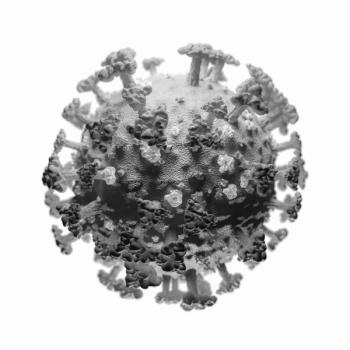
An assessment of severe coronavirus patients administered either five-day or 10-day remdesivir treatment shows benefit is fairly similar, regardless of duration.
The indication is based on positive findings from a pair of Africa- and Asia-based randomized trials.
A daily news update on our COVID-19 coverage.
Executive members of coronavirus therapy candidate global assessment came to decision after new data showed the therapy was linked to increased mortality and cardiovascular event risk.

The financial support will ensure AstraZeneca will develop at least 400 million doses, with plans to begin distribution in September.

The largest US prospective study of patients to date shows most COVID-19 patients in the ICU are older, minorities, have underlying cardiometabolic disease—and are highly likely to require mechanical ventilation.
The new kit will have association with multiple certified labs for diagnostics, and will come at no profit for the maker company.