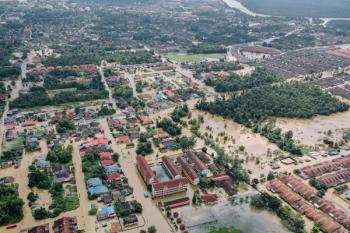
As someone who lives with the long-term effects of chikungunya, Camillo Mora PhD, sees the expanding habitat of mosquitos and is concerned more people will be exposed to vector-borne illnesses and deal with not only the acute phases of these viruses but also the possibility of long-term health effects they can present.

Climate Change
Advertisement

The European Commission has approved their first dengue vaccine, Takeda’s TAK-003, as climate change and urbanization contribute to a worldwide rise in dengue incidence.
Advertisement

As greenhouse gas emissions result in floods, heat waves, and more extreme weather events, people and pathogens are thrown closer together.

Investigators surmise a natural bat exposure within certain areas of the world may correspond with lower COVID-19 incidence rates.
Research shows specific climate elements affect mosquito proliferation and can play a role in predictors of vector activity and insect control interventions.
Advertisement
Advertisement
Trending on Contagion Live
1
US Measles Cases Near 2,000 in 2025 as Multi-State Outbreaks Expand
2
Public Health Wake-Up Call: Will the US Lose Measles Elimination Status?
3
Recent Florida Cases of Chikungunya Linked to Cuba Travelers, Reminder Vector-Borne Illness is Still Circulating
4
Sequencing Syphilis Genomes in the Quest to Develop a Global Vaccine
5