




















































































































































A treatment arm of up to 3000 participants aged 12-17 years old will be rolled into the North American-based PREVENT-19 trial.
A treatment arm of up to 3000 participants aged 12-17 years old will be rolled into the North American-based PREVENT-19 trial.
Understanding the mechanisms driving inflammation related to IL-6 should be prioritized over rushing to treatment, especially in the era of COVID-19, the study authors said.

The multidisciplinary, retrospective analysis showed that long-term outcomes of ECMO patients did not vary from that of others.

The US will initiate travel restrictions beginning May 4th, due to the surging COVID-19 case load in India.
The report details what symptoms vaccinated people should look out for, as well as treatment details for healthcare professionals.
While a slightly higher rate of morbidity was observed, a small percentage of babies presented with COVID-19 after birth.
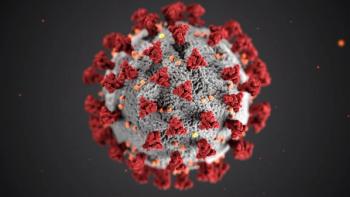
A prolonged infection can allow a virus to mutate more often, potentially letting more transmissible variants to emerge.
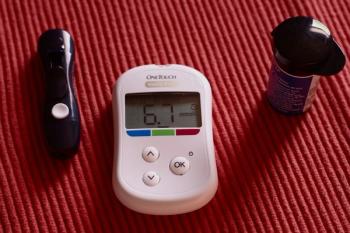
Pre-existing conditions were found to increase the risk of COVID-19 related death in those with diabetes.
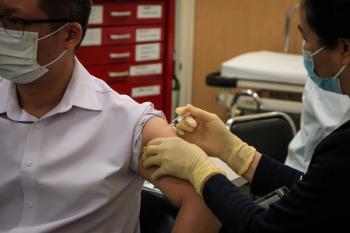
The confusion and uncertainty surrounding the need for a second dose among the public shows the need for better guidance from the medical community.
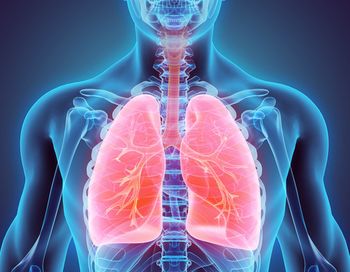
Patients who received the inhaled glucocorticoid budesonide in the first several days of COVID-19 symptoms were much less likely to require hospital care.
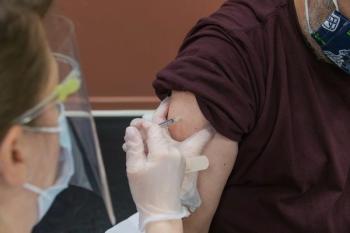
The most common symptoms were headache, fatigue and soreness at the injection site.
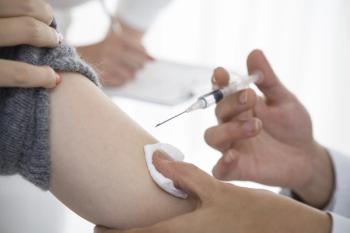
A pair of recent studies suggest that the ability of people with blood cancers lymphocytic leukemia and multiple myeloma to produce antibodies in response to COVID-19 vaccines is impaired.

Surveys suggest most students plan to get the shots anyway.
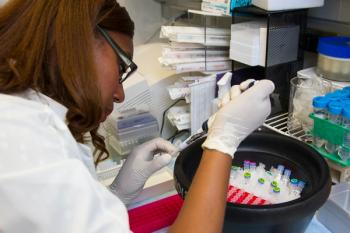
The discovery of these nanobodies may help to create treatments that can protect against COVID-19, as well as future variants of the virus.

Individuals who are fully vaccinated can shed their masks when exercising outdoors and gathering in small groups.

Exposure to a segment of the viral spike protein induced COVID-19 like symptoms and caused lung damage similar to those with the disease.

Even in mild cases, symptoms of COVID-19 can linger for at least 8 months, according to new research.

The Biden Administration plans to donate the AstraZeneca vaccines globally upon clearance of safety reviews.
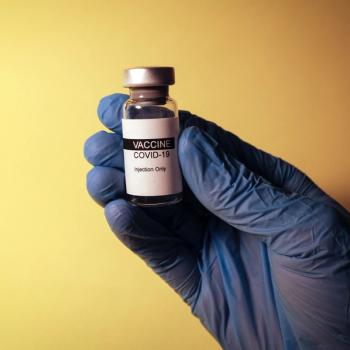
Thailand steps up travel restrictions among a rapidly spreading third wave of the disease.
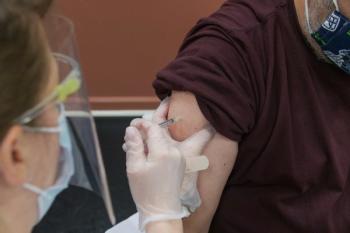
Nursing home residents who had recovered from COVID-19 showed robust antibody levels against the SARS-CoV-2 spike protein after 1 dose of messenger RNA (mRNA) vaccine, a study in France showed.

CDI prevalence among those hospitalized with a COVID-19 infection was not found to be increased despite more use of antibiotics.

The Advisory Committee on Immunization Practices voted 10-4 with 1 abstention to resume the rollout and administration of the Janssen shot.

The 6th major component of the 1-year old ACTIV public-private initiative of the NIH will test candidate drugs to repurpose for COVID-19.
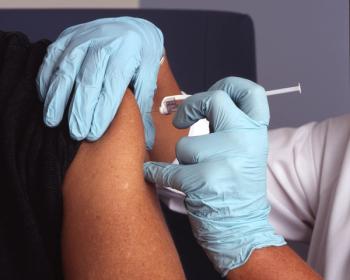
Providing support to communities of color could encourage participation and improve uptake.
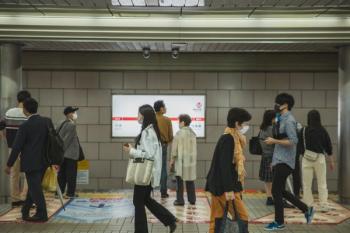
While the addition of outside air into a building showed a clear benefit, too much air exchange can have a negative impact.