


















































































































































P aeruginosa is found in 11.6% of diabetic foot infection cultures from hot, humid climates.
P aeruginosa is found in 11.6% of diabetic foot infection cultures from hot, humid climates.
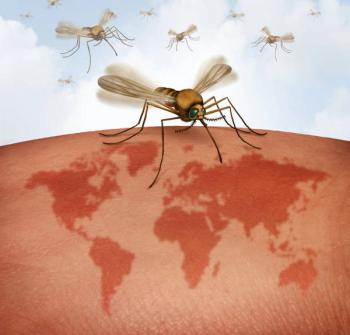
Milad Zandi, PhD, on rising temperatures and the spread of mosquito-borne diseases like dengue, Zika, and chikungunya, increasing the risk of outbreaks in tropical and temperate regions.
Obesity significantly impacts the pharmacokinetics (PK) of antifungal drugs like echinocandins, including volume of distribution (Vd) and clearance. However, despite these PK differences, current clinical evidence generally does not support the need for universal dose adjustments in obese patients. Clinicians should consider personalized dosing based on patient characteristics, infection severity, and specific drug properties due to echinocandins' favorable safety profiles.

Deborah Birx, MD, and Amy Carenza, BBA, highlight the targeting of multidrug-resistant organisms and tracking of infection trends without increasing staffing needs.

ActivePure’s Deborah Birx, MD, and Amy Carenza, BBA, discuss their study showing a 99% reduction in fungal colony-forming units, 98% reduction in aerobic bacteria, and a 66% decrease in C auris.
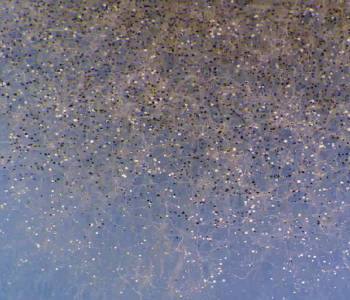
This systematic review focuses on breakthrough invasive fungal infections (bIFIs) in patients with high-risk hematological cancers, like acute leukemia, or those who have undergone stem cell transplants. Despite prophylactic antifungal treatments (usually with voriconazole or posaconazole), bIFIs remain challenging due to their complexity and high mortality rates.
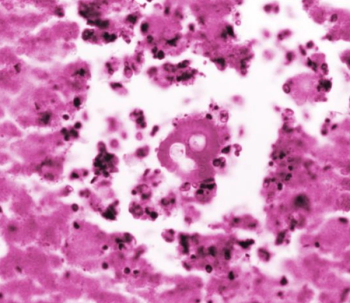
Basilea Pharmaceutica says its investigational therapy, fosmanogepix, is being studied for candidemia and invasive candidiasis.
In the second installment of a 3-part series on long-acting injectables related to various infections, Caitlin Soto, PharmD, BCIDP, provides insights on using rezafungin for invasive candidiasis.
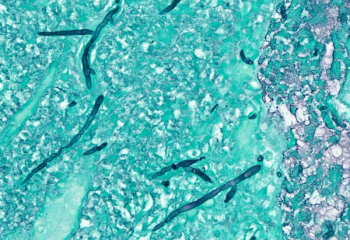

The results were presented at the Society for Healthcare Epidemiology of America (SHEA) conference, highlighting this first documented case of C auris moving from an adult to a pediatric unit within the state.

Examining the implications and challenges of coccidioidomycosis, histoplasmosis, and blastomycosis diagnosis during the COVID-19 pandemic.

A comprehensive look at coccidioidomycosis (valley fever) through diagnosis, treatment, prevention, and climate change impact.
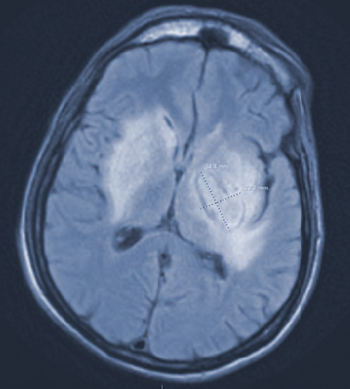
Clinicians review a patient case including diagnosis, treatment, and follow-up.

The fungal infection includes 4 patients, but so far no deaths are associated with it.
The CDC’s recent warning of the rising incidence rates of the fungal infection is cause for concern, but understanding which patients and settings are at a higher risk is equally as important. The lead author in the CDC’s recent C auris study offers some insights for both medical institutions and the general public.

With yesterday’s FDA decision, Cidara’s injectable antifungal rezafungin become the first new drug approved to treat candidemia and invasive candidiasis in over a decade.

Candida auris fungal infections increased 95% in 2021, and drug-resistant cases are continuing to spread across the US.
A prominent researcher offers some insights on this emerging fungal infection.
AdventHealth Orlando studied a small number of these fungal isolates to examine treatment resistance patterns.

The emergence of this fungal infection remains mysterious as the world experiences more outbreaks.
With the unpredictability of when it will appear, and its propensity to be multidrug-resistant, this particular pathogen is challenging to diagnose and treat.

This is the first oral non-azole treatment for vaginal yeast infections.