


Fungal Infections
Latest News
Advertisement
Latest Videos







Shorts
1:01
What Clinicians Must Do About Candida auris
8 months ago
by
Jatin Vyas, PhD, MD(+1 more)
0:28
Fungal Treatment: Matching Therapy to the Immune System
8 months ago
by
Jatin Vyas, PhD, MD(+1 more)
0:36
The Center for Discovery and Innovation’s Commitment to Fungal Diagnostics and Treatment
a year ago
by
David Perlin, PhD(+1 more)
Podcasts
CME Content



















































































































Advertisement
More News
Histoplasma, Blastomyces, and Coccidioides remain underrecognized causes of community-acquired pneumonia, particularly when clinical presentation mimics bacterial disease. Knowing where to look and when reshapes the diagnostic and therapeutic approach.

Three concurrent studies identify T cell exhaustion and Th2 skewing as distinct immune phenotypes in disseminated coccidioidomycosis, with targeted immunomodulation producing dramatic clinical responses in patients who had failed standard antifungal therapy.
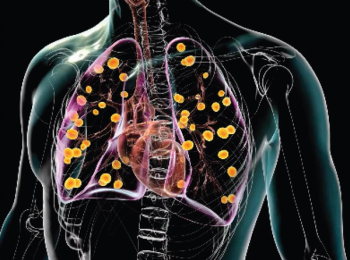
Histoplasmosis is a widely distributed and often underdiagnosed fungal infection that can cause severe, sometimes fatal disease—especially in immunocompromised patients—due largely to persistent diagnostic delays and limited routine testing. Here is a review of diagnostics and treatment for the fungal infection.

Scynexis has secured FDA Qualified Infectious Disease Product (QIDP) and Fast Track designations for its next-generation antifungal SCY-247, underscoring the drug’s potential to address the escalating global threat of multidrug-resistant fungal infections such as Candida auris.
An increase in cases of blastomycosis in upstate New York over the past decade suggests it is becoming endemic, although it is not yet a reportable infection.
Scynexis has secured FDA Qualified Infectious Disease Product (QIDP) and Fast Track designations for its next-generation antifungal SCY-247, underscoring the drug’s potential to address the escalating global threat of multidrug-resistant fungal infections such as Candida auris.
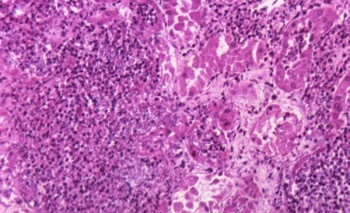
Disease management now centers on more precise, context-driven diagnostics, restrained empiric antifungal use, echinocandin-focused therapy, and risk-based ophthalmologic evaluation aligned across global and US guidelines.

Zepto Life Technology has introduced its FungiFlex Mold Panel, a plasma-based molecular test offered through a CLIA-certified reference laboratory that delivers rapid, noninvasive detection of 14 clinically important mold species linked to invasive fungal infections.

Invasive fungal diseases remain a major cause of morbidity and mortality in patients undergoing transplant, with shifting epidemiology, emerging resistance, and geographic variation underscoring the urgent need for improved surveillance, prevention strategies, and antifungal stewardship.
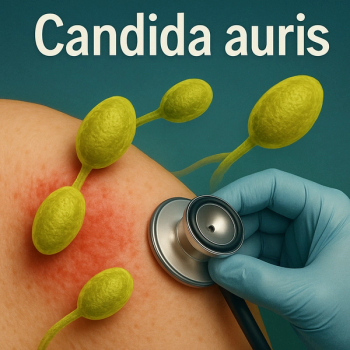
Candida auris is a highly drug-resistant, hospital-acquired fungal pathogen. With limited treatment options, here is an overview of some of the next-generation antifungals as well as combination therapeutics.

Most clinical isolates identified as triazole-resistant Aspergillus niger by traditional clinical laboratory methods were revealed by DNA sequencing to be A tubingensis.

A public health and farmworker coalition says agricultural spraying of medically important antibiotics and antifungals contributes to environmental resistance and warrants EPA cancellation.

The New Jersey company recently announced the partnership that includes federal funding to create new treatments from a novel class of fungerps.
CDC found 6.9% of those testing positive for Candida auris colonization on skin develop invasive infection, and calls for better surveillance and prevention.

Tennessee, New Jersey, North Carolina, and South Carolina were evaluated by Alexandra Kurutz, MPH, and Simone Godwin, DVM, MPH, MS, CIC, in a review of C auris containment efforts in dialysis facilities using standard IPC measures.

A retrospective study finds no significant difference in treatment failure between patients with obesity and those without.
Advertisement
Advertisement
Trending on Contagion Live
1
Ebola Outbreak Climbs to 11,645 Cases as Deaths Near 5700
2
Measles Update: November 20, 2026
3
Avoiding Measles During Pregnancy: A Fetal Specialist Offers Clinical Considerations
4
EU Approves Sanofi's Rabies Vaccine VaxRabeo for All Age Groups
5