






















































































































To assess available evidence and provide an update from the 2013 review, a team of investigators reviewed more than 80 studies featuring data from over 179,000 individuals.
To assess available evidence and provide an update from the 2013 review, a team of investigators reviewed more than 80 studies featuring data from over 179,000 individuals.
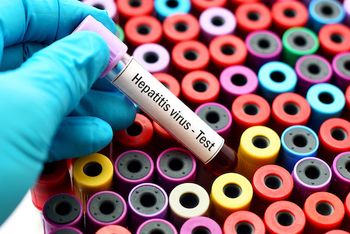
PWID are unlikely to receive testing for HIV and hepatitis C, according to a new study that found that 8.5% were tested for HIV and 7.7% were tested for HCV within 1 year of a clinical encounter consistent with injection drug use.

Despite new treatment options with a lower theoretical risk, approximately 40% of patients with HCV experienced a drug-drug interaction.

Andrea L. Cox, MD, PhD, comments on the future of HCV vaccine development efforts in light of the 2019 trial which did not prevent chronic infection.
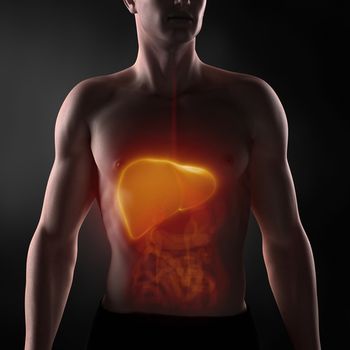
Minimal monitoring of patients receiving sofosbuvir-based therapy for hepatitis C virus resulted in equal cure rates at less cost than standard monitoring, a new study found.
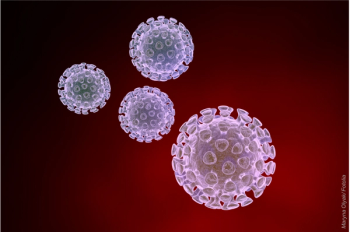
Newer, more effective antivirals mean hearts from donors with HCV are a viable option for transplantation. Rising opioid-related deaths means there are more of these donors available.

Andrea L. Cox, MD, PhD, discusses some of the challenges in developing a vaccine for hepatitis C and details the results of a vaccine trial.

Andrea L. Cox, MD, PhD, compares the rates of hepatitis C and hepatitis B diagnoses since the start of the opioid epidemic.
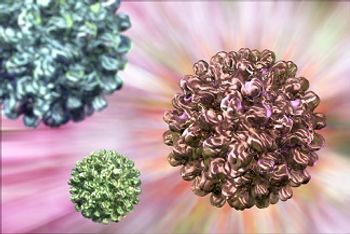
Combining financial incentives and accelerated vaccine schedules may improve hepatitis B vaccination completion among people who inject drugs who are at high risk for the infection, according to a new study.
A literature meta-analysis determined the worldwide prevalence of hepatitis B virus in people living with HIV.
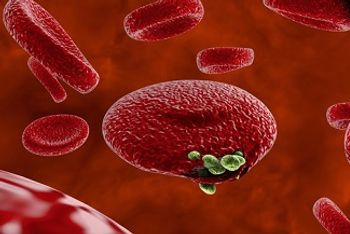
Observations about the body’s response to malaria infection can lead to new treatments for HIV and lupus, investigators believe.

While results of a study on crowdsourced materials promoting hepatitis testing were complicated by intervention sharing, 20% of MSM reported first time testing.
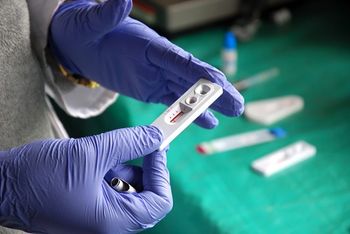
Blood sample testing in African countries using rapid tests is a mixed message. Accuracy in HIV improved, but accuracy in hepatitis B and C testing did not.
Universal screening identifies cases in those who do not consider themselves at risk and helps re-link previously known patients who have fallen out of treatment back to care.
Results from a study at a Cincinnati hospital point to the importance of testing at-risk infants for HCV as the opioid crisis impacts prevalence of the infection.
Although the overall mortality rate for HCV has declined, clinicians will have to focus on individuated factors to address lingering barriers.
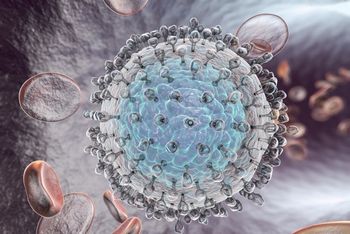
Millennials are a major population affected by the opioid crisis, which has now translated to an increase in hepatitis C virus infections among the generation.

One promising proposal to greatly increase access to DAA HCV therapy is to keep this treatment with appropriately trained PCPs, in contrast with referring patients to infectious disease, gastroenterology, or hepatology subspecialists.
The phase 1/2 trial of a prime-boost vaccine to prevent chronic HCV infection was completed in an at-risk population of in people who inject drugs.
As outbreaks of vaccine-preventable diseases grow, it is important to review vaccination recommendations by age group.
Facing an outbreak of HAV, Arizona works to collaborate across public health departments and health care facilities.

Meeting goals to eliminate HIV, viral hepatitis, and sexually transmitted infections by 2030 will require accelerated efforts, according to a progress report from the WHO.
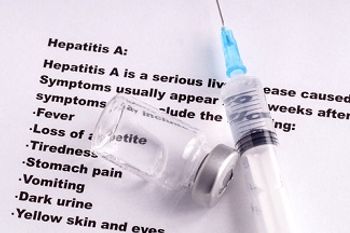
The state will allocate an additional $650,000 that will be divided up amongst areas of need.

Initiating a model that provides testing, treatment and linkage to care for HCV in correctional facilities would improve outcomes but requires a costly investment.
DONATE-HCV trial offers new hope to those on waiting lists for new hearts and/or lungs.