

































































































As the IAS Conference on HIV Science wraps up this week, this Public Health Watch report takes a closer look at the challenges that remain when it comes to treating HIV.
As the IAS Conference on HIV Science wraps up this week, this Public Health Watch report takes a closer look at the challenges that remain when it comes to treating HIV.
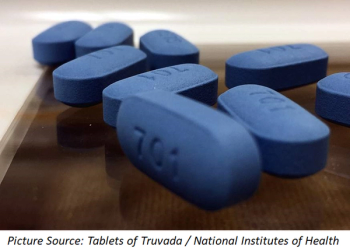
Phase 2 study finds that the use of daily oral Truvada as a means of HIV prevention is safe and acceptable.

Peter Williams, PhD, discusses the LATTE-2 trial for HIV treatment.

Magda Opsomer, MD, explains why darunavir may be more beneficial than other HIV medications.
Researchers reported at the 9th IAS Conference on HIV Science that a HIV-infected child who had been treated in infancy has maintained remission without drugs since 2008.
Ariane van der Straten, PhD, MPH, explains the different attributes of administering pre-exposure prophylaxis via a HIV biomedical implant.
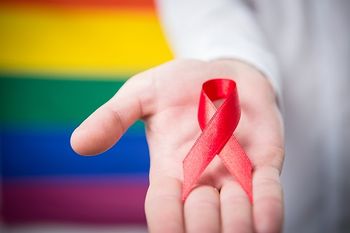
A recent study finds that the majority of HIV-infected transgender women are anxious about taking ART and feminizing hormone therapy simultaneously due to hazardous drug interactions.
Leah Johnson, PhD, discusses the biomedical HIV prevention implant that is being developed by RTI International.
Kenneth Mayer, MD, explains why tenofovir alafenamide may be the future of pre-exposure prophylaxis.
WHO and IAS come together to create the first-ever global research prioritization agendas at the 9th IAS Conference on HIV Science in Paris, France.
The results of a phase 2 trial for a 2-drug regimen of long-acting cabotegravir and rilpivirine and a 3-drug regimen in patient with HIV showed comparable viral suppression rates at 96 weeks.

The World Health Organization (WHO) recently sent out a global alert warning of the growing threat of resistance to HIV drugs.
A systematic review analyzes the opportunity to provide coordinated care for HIV and noncommunicable conditions.
Women with HIV are at higher risk of having potentially cancer-causing HPV in their anal canals, raising questions about how best to screen this population.
A study published in Oxford University Press evaluates the effectiveness of several HIV diagnostic tests.
Kenneth Mayer, MD, discusses new therapies that may have a positive impact on pre-exposure prophylaxis adherence and treatment.

Benjamin Young, MD, PhD, explains the Fast-Track Cities initiative.
Although advances in HIV treatment mean many people with the condition are able to achieve viral suppression and display no outward signs of illness, kidney disease is still a fairly common occurrence in those who are infected.

The National Institutes of Health (NIH) is looking to determine whether Zika virus infection poses an additional risk in women whose pregnancies are already complicated by HIV.
A group of researchers examine the feasibility of a low-resource behavioral intervention created to promote retention in HIV care.
A look into how health information exchange interventions are beneficial in HIV care; the discovery of 3 mutations that could help the bird flu spread among humans; news about a new patch formulation for the flu vaccine; progress towards an HIV vaccine; and information on an interactive map that visualizes the US HIV epidemic, make up the Top 5 articles for this week.

New HPV vaccine recommendations from the World Health Organization, information on a new once-daily treatment for HIV, the potential underestimation of tick-borne diseases in the Western United States, norovirus outbreaks in California schools, and how reservoirs of latent HIV hinder the quest for a cure, make up the Top 5 articles for the month of June 2017.

A recent study suggests that in vivo corneal confocal microscopy can be used to assess HIV-associated sensory neuropathy, a disorder that is increasing worldwide.
HIV surveillance data is being used to populate an interactive map, capable of depicting the impact of HIV and mortality in the United States on national, state, and local levels.