

Prevention
Latest News
Advertisement
Latest Videos













































































































































Advertisement
More News
Leonard Sigal, MD, explains why Lyme disease is sometimes overdiagnosed or overtreated.

A recent webinar hosted by the Centers for Disease Control and Prevention and nursing organizations highlighted the important role of nurses in implementing hospital antibiotic stewardship programs.
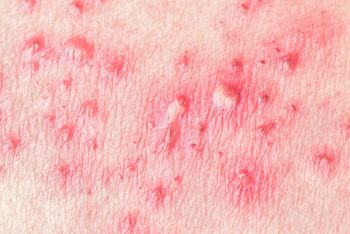
The only way individuals can reduce their risk of getting shingles is to get vaccinated; luckily, a new vaccine has recently been approved by the FDA.

Herewith, 4 New Year’s resolutions for the infectious disease community—at least according to us here on the Public Health Watch.
William Schaffner, MD, discusses efforts to develop a universal flu vaccine.

In the Centers for Disease Control and Prevention Emerging Infectious Disease journal, investigators have written several articles focused on these 2 components, that, if done poorly, can truly hinder or hasten an outbreak.
Here is a list of our top 5 viral infectious disease news stories from 2017; Did you read them all?
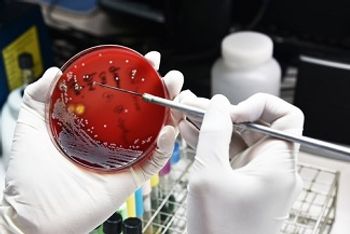
In a recent Association of Health Care Journalists webcast, 2 experts discussed the growing challenge of antibiotic resistance, and highlighted current and emerging strategies to reduce this major public health threat.
We break down our top HIV news stories of 2017. Did you read them all?
Michael Edmond, MD, MPH, MPA, stresses that a collaborative effort is needed to control C. difficile in hospitals.

In case you missed them, we've compiled the top five infectious disease articles from this past week.
Richard Haupt, MD, MPH, discusses the process for developing a vaccine.
We’ve compiled the best ways to fight back against colds and flu viruses this holiday season.

The Interagency Food Safety Analytics Collaboration released a report that sheds light on the types of food that contribute to food-borne illness.
A new study conducted by University of Texas Health Science Center at Houston investigators finds that male virgins can still acquire HPV, underscoring the need for vaccination.
Edmond Hooker, MD, DrPH, explains how regulatory agencies are “turning a blind eye” to an important issue experienced in hospitals everywhere.
The first step in global health security is prevention, but how does it work against a diverse range of threats?
More states are reporting widespread flu activity as CDC researchers up their annual estimate of flu deaths around the world.

The FDA issues a final rule on the safety and effectiveness of certain active ingredients in over-the-counter health care antiseptic products.
William Schaffner, MD, explains the strengths and weaknesses of the flu vaccine.
One intensive care unit utilized advanced infection control efforts to tackle an outbreak and won.
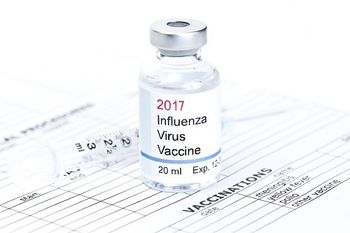
Individuals with an egg allergy do not need to avoid the annual flu shot.
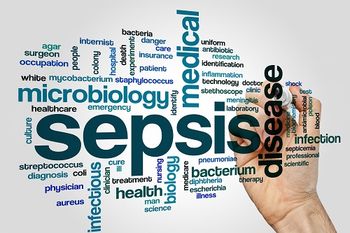
The Infectious Diseases Society of America’s (IDSA) decision not to endorse the 2016 Surviving Sepsis Campaign Guidelines comes from disagreement on the diagnosis and management of the microbial etiology of the disease.
A surprising source of this opportunistic pathogen was found through environmental testing.
Daniel Diekema, MD, describes recent developments made in rapid and molecular diagnostic testing in the microbiology lab, and how these tests strengthen infection prevention efforts.
Advertisement
Advertisement
Trending on Contagion Live
1
CDC Tracking 4 Active Foodborne Outbreaks
2
IDSA/ESCMID Statement on Staphylococcus aureus: Follow-Up Blood Cultures
3
On World Rabies Day, When to Seek Treatment, Clinical Considerations for Post Exposure Prophylaxis
4
VYD2311 Shows Superior Tolerability to mRNA COVID-19 Vaccine in Phase 3 Study
5