































































































The CDC reported that post-infection immunity paired with COVID-19 vaccination was very protective against the Delta variant.
The CDC reported that post-infection immunity paired with COVID-19 vaccination was very protective against the Delta variant.
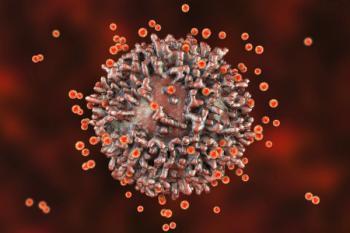
“Memory” CD4+ and CD8+ T cells may explain why Omicron causes less severe disease than previous COVID-19 variants.

An Israeli study is the first to administer 4 COVID-19 shots, but the boosted antibodies may still not be enough to prevent Omicron breakthrough infections.

Even if they did not experience severe symptoms, unvaccinated people who contract COVID-19 while pregnant are more likely to have poor birth outcomes.

Pfizer reports positive top-line results from a phase 3 study that simultaneously administered Prevnar 20 and its COVID-19 vaccine in older adults.

A model simulated the efficacy of the US’s COVID-19 vaccine rollout, measuring its correlation with reduced hospitalizations and deaths.

Heterologous vaccine intervention (HVI), receiving immune-boosting vaccinations other than a COVID-19 shot, may alleviate COVID-19 case burdens.

The AIDS Clinical Trials Group (ACTG) is beginning stage 2 trials for Triplex, a novel vaccine for people living with HIV and cytomegalovirus (CMV).
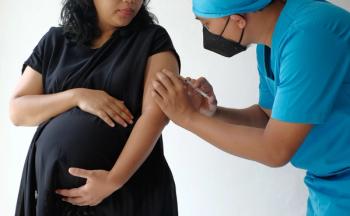
Breastfeeding babies safely receive COVID-19-neutralizing antibodies from their mRNA-vaccinated mothers.
New data suggests an additional “booster” dose of an mRNA COVID-19 vaccine is no longer just recommended but required for protection against the infectious Omicron variant.

The CDC recommends all pregnant women receive a COVID-19 vaccine, finding vaccination does not increase risk of preterm birth or small-for-gestational-age at birth.

A new study found states that offered monetary prizes to randomly selected vaccinated persons did not have significant increases in vaccine uptake.

The FDA now recommends Americans 12 years and older receive COVID-19 booster shots. Additionally, they moved to shorten the time in between the second and third dose from 6 months to 5 for Pfizer-BioNTech recipients.

The US is on track to reach new records for 7-day average cases, though death rates remain lower.

Dr Jason Gallagher explains how COVID-19 booster shots affect herd immunity in the United States.

A panel of experts gives an overview on the purpose and importance of COVID-19 booster shots.
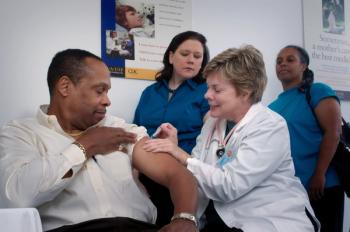
A study of mRNA vaccination in older people and people with comorbidities found vaccine efficacy of 69% against COVID-19 infection and 86% against death.

Two different doses of the company's mRNA vaccine were found to increase antibodies by up to 83-fold.

Pfizer-BioNTech will be testing 3 doses of their vaccine in children older than 6 months and younger than 5 years, instead of the original 2-dose regimen.
The CDC is recommending the Pfizer-BioNTech and Moderna COVID-19 vaccines over Janssen’s, due to 57 cases of a rare blood clotting condition.
A review of the data and circumstances that led to authorization in children ages 5 to 11 years.

Antimicrobial resistance is “the silent pandemic,” Dr. Leonard Friedland says, and vaccines are how we fight it.
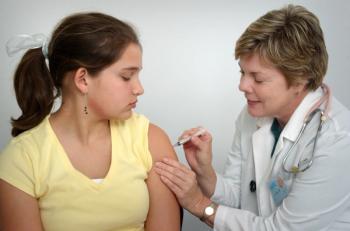
A personal history of cervical cancer or cervical biopsy did not make mothers more likely to vaccinate their children against HPV.
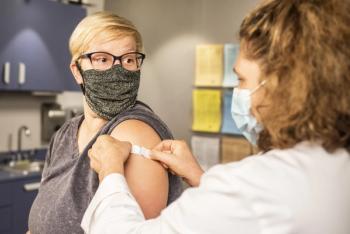
HPV vaccination decreases cervical cancer incidence and mortality, but it is most effective in young women and girls.
New cohort data from VA medical centers provide more evidence of a correlate between antibody levels and vaccine effectiveness for mRNA vaccines.