



Vaccines
Latest News
Advertisement
Latest Videos





CME Content


























































































Advertisement
More News

Public health and school officials need to consider strategies now.
A new study in the United Kingdom provided evidence in support of a fourth dose of COVID-19 vaccines, showing a strong boost in immunity.

A third, “booster,” dose of the Pfizer-BioNTech COVID-19 vaccine is now FDA-approved for children 5-11 years old.

The company is utilizing this platform to address new COVID-19 variants, combination vaccines, and potentially prevent HIV.

The company's investigational vaccine, which is in a phase 3 study, is an example of its commitment to addressing these viruses.

At 1 year after COVID-19 infection, children’s neutralizing antibodies only differed by vaccination status.

Despite a significantly slower than expected COVID-19 vaccine rollout, Novavax reports early 2022 as its first profitable quarter.

The higher the gestational age when pregnant women received a COVID-19 vaccine, the higher the serological titers at birth.

Active immunization of pregnant women with investigational vaccine protected infants from RSV from birth through at least 6 months.

Children living with HIV had a similar immune response to mRNA COVID-19 vaccination as children without HIV.
A member of the herpes family, Epstein-Barr virus is the primary cause of infectious mononucleosis and may also cause certain cancers and autoimmune diseases.

The federal agency revised the vaccine’s Emergency Use Authorization after an analysis of the risk for thrombosis with thrombocytopenia syndrome (TTS).

Medicago’s plant-based vaccine, Covifenz, was 69.5% effective against symptomatic COVID-19 infection and 78.8% effective against moderate-to-severe disease.
The number of Americans who opt for an additional booster dose of a COVID-19 vaccine may be limited.
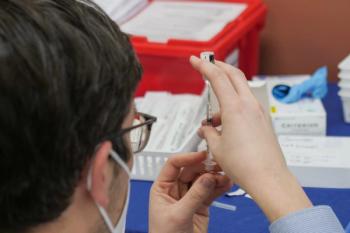
Researchers looked at the serial use of homologous and heterologous boosters in open-label clinical trials across 10 US sites.
If authorized, this would be the first vaccine applicable to the youngest pediatric group.
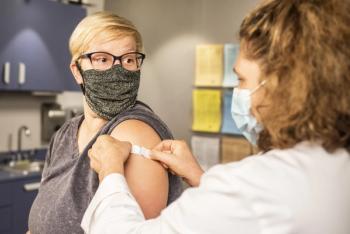
A recent study examined whether immune response to the Pfizer-BioNTech COVID-19 vaccine differed by age and gender.
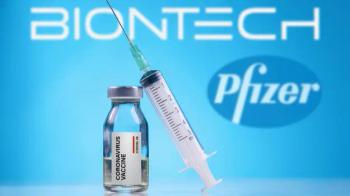
The filing included data from their phase 2/3 trial in this pediatric age group.
A shorter dosing period and no extra risk of suffering acute myocardial infarction means the newer 2-dose hepatitis B vaccine is an attractive option for protection.

An ECCMID study found COVID-19 primary infections were more severe than reinfections, and vaccination further reduced symptoms.
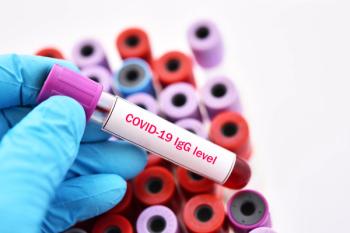
One study, presented at the European Congress of Clinical Microbiology & Infectious Diseases (ECCMID), found waiting longer in between the first and second Pfizer-BioNTech vaccine doses boosted immune response 9-fold.

Investigators used electronic health records (EHR) to perform surveillance of the safety of 3 doses of the COVID-19 mRNA vaccines.
A group of over 60 scientists participated in a communication to the federal agency to advocate for measuring these cells in COVID-19 vaccine trials.

Investigators consider the low rate of vaccination in the rapidly increasing migrant populations in Europe, and call for improved strategies.
The investigational vaccine's findings from their phase 1/2 clinical trial were reported at the World Vaccine Congress.
Advertisement
Advertisement
Trending on Contagion Live
1
Ceftriaxone Safety: Separating Signal From Risk
2
A Pennsylvania Teen Dies From Rare Measles Neurological Complication
3
New Diagnositics for Legionella Pneumonia May Streamline Care Continuum
4
Revisiting Whether Cefepime Raises Mortality Risk
5