
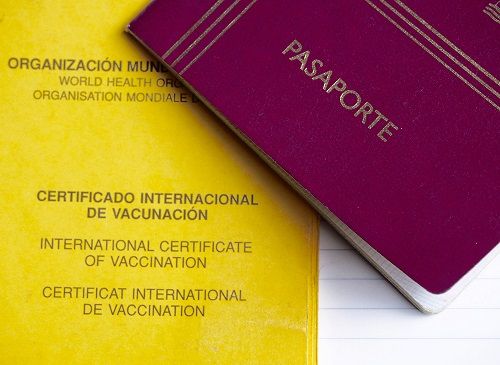




















































































































The Los Angeles County Department of Public Health has concluded that the measles outbreak in California has been limited to those who are unvaccinated.
The Los Angeles County Department of Public Health has concluded that the measles outbreak in California has been limited to those who are unvaccinated.
Cancer specialists at the UT Southwestern Medical Center are reminding women to continue going for Pap smears even if they have received the human papillomavirus (HPV) vaccine.
With flu season underway, a pair of recent studies highlight the impact of winter weather on influenza activity and raise questions about the right time to receive a flu shot.
An additional nine states are reporting widespread influenza activity, in what is already a busy flu season that has been marked by severe illness caused by the influenza A (H3N2) strain.

In light of recent news that reported “vaccine skeptic,” Robert F. Kennedy, may be appointed to lead president-elect Donald Trump’s panel on vaccine safety, Contagion spoke with vaccine experts to learn of any potential ramifications this may have.

The 2016-2017 influenza season continues to see a growing number of severe flu cases due to the increased prevalence of influenza A (H3N2) virus.
Researchers at Southern Research Institute are focusing their efforts on finding a broad-spectrum antiviral drug that will be effective against a number of influenza strains.

The H3N2 strain of influenza continues to circulate throughout Calgary, as well as in the South Zone, while “little influenza activity in the North Zone [has been observed] to date.”

Researchers have found no link between an influenza infection during pregnancy and an increased risk of an autism spectrum disorder diagnosis.
A new report finds that real-time patient-centered research is possible during an outbreak, and indeed, necessary to strengthen systems, improve surveillance and response, and create better diagnostics, therapeutics and vaccines.

With the opening of a new R&D center in Rockville, MD, GlaxoSmithKline strives to improve global outbreak preparedness and calls for increased vaccine production capacity.

A new coalition created by the Bill & Melinda Gates Foundation and other global partners will launch at this year’s World Economic Forum, with the goal of supporting the fast-tracked development of new vaccines.


This year’s most-viewed article on ContagionLive combined two hot-button issues: social media and vaccination.

Researchers have found that an experimental vaccine designed to fight the Ebola virus has proven to be highly protective.

Researchers continue to move closer to the development of a universal influenza vaccine that would potentially provide protection against all influenza A strains and subtypes.

As Salmonella strains continue to develop resistance to antibiotics, UTMB researchers have developed an oral vaccine to assist in the fight against the food-borne infection.

Americans are gearing up for travel to celebrate the winter holidays amid a mild start to the influenza season.

Researchers from France recently found that higher base levels of vitamin D were not associated with a stronger immune response in HIV-infected patients.
Researchers have found that the most common childhood cancer, acute lymphocytic leukemia, can be linked with congenital cytomegalovirus (CMV), a virus in the herpes family.
Researchers find that the tuberculosis vaccine can offer protection against other diseases due to its “trained immunity.”

While flu vaccination rates for pregnant women have more than doubled since 2005, a new report from the Centers for Disease Control and Prevention says that at least half of expectant mothers are missing out on the protective benefits of the flu shot.
In honor of National Influenza Vaccination Week, the CDC reports on influenza vaccination coverage and the benefits of receiving a flu shot.

A new pair of studies take a look at the human immune response to the flu vaccine and explain how the flu components may affect the shot’s effectiveness.
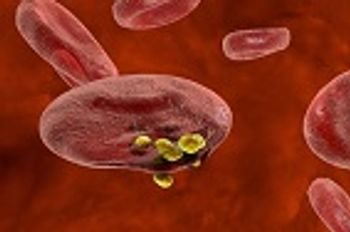
Nicholas J. White, MD, shares his “Personal View” on mass drug administration (MDA) as a means of malaria prophylaxis.