




















































































































































Chikungunya virus has been reported in the United States, and clinicians here must now be prepared for patients presenting with its symptoms.
Chikungunya virus has been reported in the United States, and clinicians here must now be prepared for patients presenting with its symptoms.

Study shows that nitric oxide may inhibit infection-induced neuroinflammation.

At the moment, there have not yet been any locally transmitted Zika infections in the continental US, however, a recent study reports that this might change in the coming months.

Forty one individuals were voluntarily infected with the dengue virus in a new vaccine (TV003) clinical trial, which proved 100% successful.

An international team of researchers believes they may be on the verge of identifying biomarkers that can be used to predict disease course in dengue fever, thereby enabling clinicians to triage patients at higher risk for severe forms of the mosquito-borne infection at an earlier stage.

Dorothy McCoy, PharmD, provides advice for healthcare practitioners on counseling patients who are pregnant about the Zika virus.

Dorothy McCoy, PharmD, shares information about Zika virus and sexual transmission.

Jason C. Gallagher, PharmD shares the types of mosquito repellents healthcare practitioners should be recommending to their patients to help ward off mosquitos.

Dorothy McCoy, PharmD, explains what healthcare providers should do if a patient presents to their practice with a suspected Zika infection.

Jason C. Gallagher, PharmD describes how pharmacists can aid in controlling the spread of the Zika virus.

Jason C. Gallagher, PharmD shares advice that should be provided to patients who are pregnant that come into the practice with questions about the Zika virus.
New Aedes aegypti mosquitos are being genetically engineered to fight the current Zika-spreading population.
Fear of a Zika epidemic in Puerto Rico lead the HHS to initiate the transportation of "safe blood" to the island on March 5, 2016, two days before the CDC Director, Tom Frieden, MD, MPH, arrived there to evaluate the CDC's support for Zika response and inform residents about prevention methods.

Dorothy McCoy, PharmD, answers the most common questions healthcare providers have about the Zika virus.

Jason C. Gallagher, PharmD explains how to address questions from patients and healthcare providers about Zika.

A lack of sufficient knowledge of the Zika virus necessitates efforts to expand our understanding of the virus itself, while at the same time developing effective countermeasures.

Jason C. Gallagher, PharmD, shares some key things that community pharmacists need to know about the Zika virus and the current outbreak.

The Zika virus has been strongly believed to cause the neurological disorders microcephaly and Guillain-Barre syndrome, and new evidence supports the association.

Online searches for Zika-related information are soaring and they don't seem to be slowing down any time soon.

Epidemiologists and other researchers are still learning about Zika and its effects on those infected, including pregnant women and their unborn children.
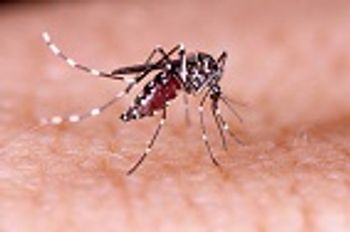
Recent study finds that the Zika-carrying Aedes aegypti mosquito can continuously survive in colder parts of the United States.

Researchers suspected that the Zika virus causes Guillain-Barre syndrome (GBS), a rare neurological syndrome, but now there's actual proof of the relationship.

The extraordinary amounts of data generated in this systematic comparative genome analysis may prove to be an invaluable resource for those wanting to know how any bacterial species becomes pathogenic.

In a matter of weeks, two Texas medical institutions developed the first hospital-based rapid detection Zika test.

The number of patients diagnosed with the Zika virus in the United States grows every day, and three of the latest patients are pregnant women.