




Christina G. Tan, MD, MPH, FACP, New Jersey State Epidemiologist/Assistant Commissioner, examines the probability of a Zika outbreak in New Jersey.
Christina G. Tan, MD, MPH, FACP, New Jersey State Epidemiologist/Assistant Commissioner, examines the probability of a Zika outbreak in New Jersey.
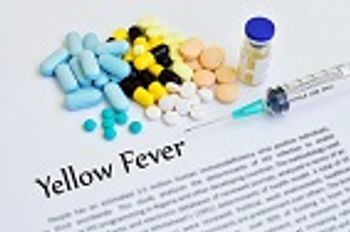
In an address to the 69th annual World Health Assembly, Margaret Chan, MD, MPH, director-general of the World Health Organization (WHO), discussed the impending threat of yellow fever.
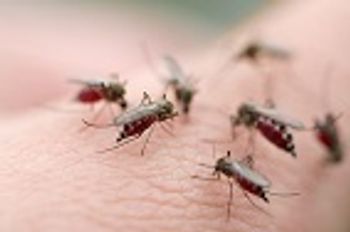
“Vector-borne diseases are among the most complex of all infectious diseases to prevent and control. Not only is it difficult to predict the habits of mosquitoes, ticks, and fleas, but most vector-borne viruses or bacteria infect animals as well as humans,” according to the Centers for Disease Control and Prevention (CDC).

As of today, the CDC has changed the reporting criteria for Zika infection in pregnant women, to include those who are asymptomatic but test positive for a flavivirus.

The findings of a recent study coordinated by the Centers for Disease Control and Prevention (CDC) and local departments of health in southern Texas highlight the risk for localized outbreaks of Dengue fever in the region and other areas of the United States with similar climatic and environmental conditions. This is particularly alarming as Texas is already well-within range of an outbreak of another vector-borne illness: Zika virus.

Researchers at the University of Texas Medical Branch (UTMB) at Galveston have successfully cloned the Zika virus strain.

Christina G. Tan, MD, MPH, FACP, New Jersey State Epidemiologist/Assistant Commissioner, explains how health care practitioners can aid in the prevention of Zika virus infections.

Christina G. Tan, MD, MPH, FACP, New Jersey State Epidemiologist/Assistant Commissioner, discusses Zika vector prevalence and infection prevention in New Jersey

Several school districts in India are being asked to take proactive steps to contain Dengue fever locally as monsoon season approaches.

On May 16, 2016, the Australian Olympic Committee (AOC) announced that the country’s Olympic team members will receive Dual Protect VivaGel condoms, the world’s only antiviral condom, for the 2016 Olympic Games in Rio de Janeiro.

The Senate has voted to grant $1.2 billion in funding to fight the impending local transmission of the Zika virus in the United States.
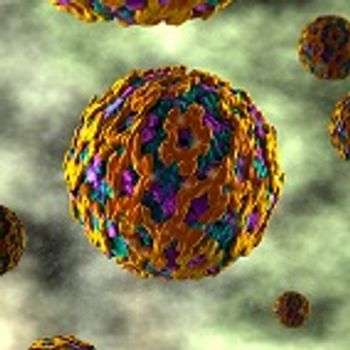
In early April the World Health Organization (WHO) announced that most provinces in Angola have experienced a yellow fever outbreak. Now, scientists are calling this the country’s worst epidemic since 1986, urging WHO to take action.

Researchers from the National Infection Service at Public Health England (PHE) in the UK may have identified the perfect platform for trials of future vaccines and antivirals for the management of Zika.

Seven monkeys in Ceará, Brazil have tested positive for the Zika virus.

Health officials in Puerto Rico have reported the first Zika-related case of microcephaly. The announcement comes on the heels of news of the first Zika-related death in the country just last week.

It would seem that the Centers for Disease Control and Prevention (CDC) is not waiting for Congress to decide on Zika funding.
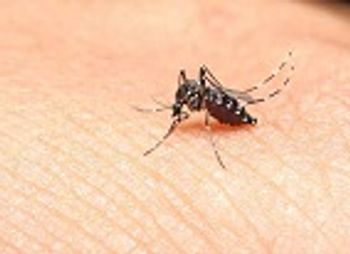
Opinion polls indicate the general public remains relatively unconcerned about the threat of Zika, despite the existence of confirmed cases in the United States.
Zoonotic diseases caused by viruses, bacteria, parasites, and fungi that are spread between animals and humans are quite common and scientists estimate that more than 60% of human infectious diseases are spread from animals.

It has been more than 50 years since an epidemic resulted in as many birth defects as the Zika virus. To address this epidemic, the second in a series of six teleconferences, hosted by the Centers for Disease Control and Prevention (CDC), discussed Zika infection during pregnancy as well as subsequent birth defects.

Congress is in the midst of approving a bill that may grant over $1 billion in funds to combat the active transmission of the Zika virus in the United States.

Evidence from a clinical trial has shown that a new vaccine protects adults against malaria infection for at least 14 months.

Rohit Bhalla, DO, Chief of the Section of Infectious Diseases at the University Medical Center of Princeton, discusses a concerning trend among individuals to purposefully infect themselves with the Zika virus, in the hopes of building up an immunity.

To inform Puerto Rico residents of the threat of the Zika virus, the National Association of Chain Drug Stores (NACDS) Foundation has launched a digital Zika education campaign.

The Centers for Disease Control and Prevention (CDC) just released updated guidance for Zika diagnostic testing.

Margaret Honein, MPH, PhD, chief of Centers for Disease Control and Prevention (CDC)’s Birth Defects Branch in the National Center on Birth Defects and Developmental Disabilities updated health professionals at a special session on Zika virus infection during the 65th Annual EIS Conference in Atlanta, Georgia.