
Caetano P. Sabino, BSc, PhD Student, explains how photodynamic therapy works.
Caetano P. Sabino, BSc, PhD Student, explains how photodynamic therapy works.
Elizabeth Phillips, MD, FRCPC, FRACP, explains the current preferred methods for drug skin testing and desensitization.
Kenneth Mayer, MD, shares some of the common concerns individuals have regarding the use of pre-exposure prophylaxis as protection against HIV.
Jason Pogue, PharmD, BCPS-ID, Clinical Pharmacist, Infectious Diseases, Sinai-Grace Hospital, explains why Pseudomonas aeruginosa is one of the World Health Organization’s critical priority pathogens for new research and development priorities.
Davey Legendre, PharmD, MBA, BCPS, sheds light on the prevalence of confirmed beta-lactam allergies in patients.
Benjamin Young, MD, PhD, shares how many catalysts for the HIV epidemic exist within cities.
Arjun Srinivasan, MD, explains the risk of surgeries resulting in outbreaks.
Genovefa Papanicolaou, MD, explains in which patient population is CMV most harmful.
Arjun Srinivasan, MD, explains how healthcare officials can keep the patient at the center of outbreak investigations.
Gonzalo Bearman, MD, MPH, explains when to prescribe antibiotics and suggests to pay attention to the data when it comes to length of treatment.
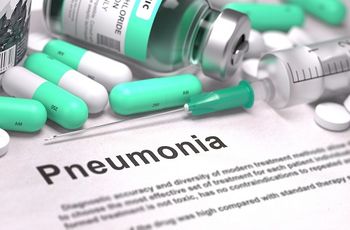
The impact of viruses on community-acquired pneumonia seems to be greater than initially realized and the use of procalcitonin may help distinguish infection type for appropriate treatment.
Snigdha Vallabhaneni, MD, MPH, discusses candidemia mortality rates in low- and middle-income versus developed countries.
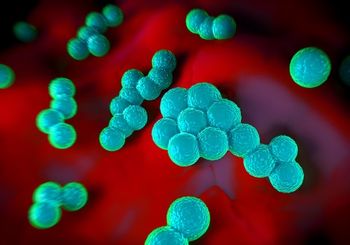
Contagion® sat down with Rodrigo Mendes, PhD, to discuss research exploring evolving resistance among antibiotics to treat skin infections.
Kirk Hevener, PharmD, PhD, explains the drawbacks of first-line drugs that are currently used to treat C. difficile infections.

The weekly Business Watch includes the latest industry news that practitioners working in infectious diseases need to know.
Genovefa Papanicolaou, MD, provides a brief overview of cytomegalovirus.

Conan MacDougall, PharmD, MAS, BCPS-AQ ID, sheds light on behavior change interventions that could positively affect antibiotic prescribing practices.
Thomas File, MD, MSc explains what pleuromutilin antibiotics are and how they work.
Julian Hurdle, PhD explains why some patients experience recurrence of Clostridium difficile after treatment.
Alan Gross, PharmD, BCPS-AQID, explains how antimicrobial stewardship programs need to be strengthened in long-term care facilities.
Niaz Banaei, MD, discusses some reasons why healthcare-associated C. difficile tends to be over-diagnosed.
Researchers describe how government and pharmaceutical companies develop are working to develop new drugs for emerging infectious diseases.
Romney Humphries, PhD, D(ABMM) sat down with Contagion® to discuss the process for receiving clearance on antimicrobial susceptibility tests in the United States.

ASM member Kate Rubins, PhD, first individual to sequence DNA in space, shed light on her experience as a NASA astronaut in a keynote conversation at the ASM Microbe 2017 meeting in New Orleans, Louisiana.
Khalid Eljaaly, PharmD, MS, CAPPS, BCPS, explains why carbapenem antibiotics cause higher rates of C. diff and superinfections.

In an interview, David Aranoff, MD, FIDSA from Vanderbilt University, discussed his latest research on infectious diseases and reproductive health.
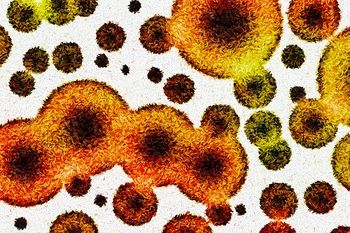
In an interview at the ASM Microbe 2017 meeting, held in New Orleans, Louisiana, Vice-Chair David Relman, MD, discussed with Contagion® microbiome research and its potential utility in medicine.

At the recent ASM Microbe 2017 Conference, Dr. Robert Bonomo shared with attendees highlights of his long-standing career and achievements.
Jason Gallagher, PharmD, BCPS, FCCP, FIDSA, explains the importance of antimicrobial susceptibility testing.
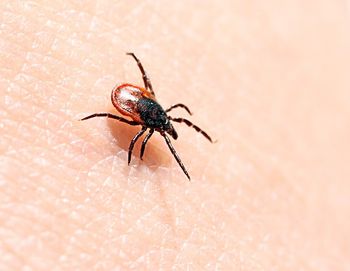
Through the use of citizen science, researchers were able to identify the distribution of ticks and tick-borne diseases in a particularly hyperendemic region of the United States.