

Shionogi's XOCOVA (ensitrelvir) is now available in the United States as the first oral option to help prevent COVID-19 after exposure, following phase 3 SCORPIO-PEP trial data showing a 67% reduction in symptomatic infection risk.
Shionogi's XOCOVA (ensitrelvir) is now available in the United States as the first oral option to help prevent COVID-19 after exposure, following phase 3 SCORPIO-PEP trial data showing a 67% reduction in symptomatic infection risk.

Three concurrent studies identify T cell exhaustion and Th2 skewing as distinct immune phenotypes in disseminated coccidioidomycosis, with targeted immunomodulation producing dramatic clinical responses in patients who had failed standard antifungal therapy.

ViiV Healthcare's 2-drug Dovato regimen met its noninferiority end point against Gilead's 3-drug Biktarvy in the first head-to-head randomized trial comparing the 2 in treatment-naive adults with HIV.

As the Cyclospora outbreak continues, clinicians and public health advocates are highlighting a secondary risk: antibiotic treatment for the parasitic infection can disrupt the gut microbiome and raise the risk of C diff.

A study of 87 free-roaming New York City cats found 57.5% harbored at least 1 zoonotic endoparasite, with young male cats identified as Toxocara super-shedders depositing disproportionately high concentrations of roundworm eggs into urban soil.

A study in the American Journal of Physiology identifies retrotrapezoid nucleus (RTN) neurons as a critical and preserved circuit for counteracting opioid-induced respiratory depression, with optogenetic and chemogenetic stimulation of RTN neurons restoring breathing even during fentanyl administration.
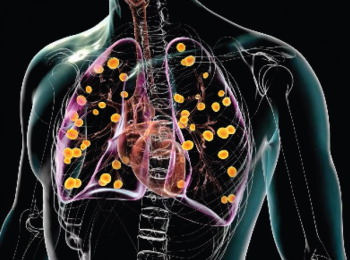
Histoplasmosis is a widely distributed and often underdiagnosed fungal infection that can cause severe, sometimes fatal disease—especially in immunocompromised patients—due largely to persistent diagnostic delays and limited routine testing. Here is a review of diagnostics and treatment for the fungal infection.

The US has confirmed more measles cases in 2026 than in any year since 1991, with CDC and Johns Hopkins trackers both surpassing 2025's full-year total 5 months before year's end.

CDC's confirmed case count for the Cyclospora outbreak linked to Taylor Farms de Mexico lettuce has topped 4000 as FDA opens a second, separate outbreak investigation and lawmakers press for restored FoodNet surveillance.

Zoliflodacin has exhibited low cross-resistance with FQ-resistant and ceftriaxone- and azithromycinresistant in strains of N gonorrhoeae around the world. Here is a review of this recently approved antibiotic.

Basecamp Research's EDEN AI model, now integrated with Claude Science, designed antibiotic peptides active against 97% of WHO priority pathogens in lab tests, including MDR Acinetobacter baumannii, and can reduce vaccine target prioritization from weeks to a single AI conversation.

A multicenter retrospective study found that the DENOVi clinical prediction score can safely help rule out infective endocarditis in patients with enterococcal bacteremia while reducing unnecessary echocardiography.

The FDA has granted EUA for the Allplex HSV-1&2/VZV/MPXV Assay (Seegene USA), the first multiplex PCR test designed to simultaneously differentiate HSV-1, HSV-2, VZV, and mpox virus from ulcerative skin lesions in a single run.

A study found that the investigational antiviral mosnodenvir reduced dengue virus infection RNA levels and symptoms in a controlled setting, supporting its potential as a prophylactic option.

Phase 3 ISLEND-1 and ISLEND-2 trials showed once-weekly oral islatravir/lenacapavir was noninferior to daily BIKTARVY and standard of care ART in maintaining virologic suppression at Week 48, with no new safety concerns identified.

A large platform trial evaluates diverse medications to relieve fatigue persisting post-acute COVID-19.
Although there has been conflicting public information around whether the source of the outbreak has been determined, Catherine O’Neal, MD, offers insights on key symptoms that warrant medical evaluation, what medical treatment may consist of for those being seen in an outpatient setting or those who are hospitalized, and considerations around eating produce.
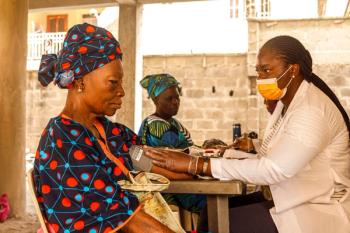
The stark contrast between the rapid global response to the Andes virus exposure on a cruise ship and the slower, under-resourced response to the Bundibugyo Ebola outbreak in Central Africa highlights how global health inequities—and the disproportionate burden placed on women caregivers—shape infectious disease outcomes as much as the pathogens themselves.

The FDA has accepted Shionogi's supplemental New Drug Application seeking to expand the indication for cefiderocol (Fetroja) to pediatric patients with hospital-acquired and ventilator-associated bacterial pneumonia and complicated urinary tract infections caused by susceptible Gram-negative bacteria, with a regulatory decision expected in February 2027.
A multistate cyclosporiasis outbreak has sickened thousands of people across five states, prompting federal investigators to advise consumers not to eat shredded iceberg lettuce served at affected Taco Bell locations.

From the early days with no treatment, to AZT providing a lifeline, to today’s generation of antiretroviral therapies (ART), Perry N. Halkitis, PhD, MS, MPH, reminds people of how they have transformed the lives of people with HIV.

Kartik Cherabuddi, MD, FACP, FIDSA, provides insights on these aspects of the parasitic infection.

A peer-reviewed study found FDA-cleared single-step immunoblot (IB) tests from IGeneX detected antibodies in 58.3% of early-stage Lyme disease cases, compared with just 30.0% for standard two-tier testing (STTT).

Island Pharmaceuticals is leveraging the WHO's MEURI framework alongside the FDA Animal Rule pathway to evaluate investigational antiviral, galidesivir, during Africa's Bundibugyo Ebola outbreak while advancing regulatory development for a potential broad-spectrum filovirus therapy.

As of July 15, Michigan has reported 3,762 confirmed cases and investigators are still trying to locate the source of the infections.
This week, read about how laboratory antimicrobial susceptibility results may not predict clinical outcomes, watch a clinician discuss the DOTS and PETERPEN trials, the FDA has granted Priority Review to expand dolutegravir use to newborns with HIV, and more.

New research from Rutgers University suggests that bacterial responses to antibiotics vary significantly under nutrient-limited conditions, highlighting potential limitations of standard laboratory susceptibility testing and offering new insights into why some laboratory findings fail to predict clinical outcomes.
Accurate, rapid diagnostics capable of distinguishing Ebola from other febrile illnesses are essential to controlling the ongoing, Bundibugyo Ebola outbreak. bioMérieux is deploying its Global Fever Special Pathogens Panel to affected regions in partnership with local governments. Chuck Cooper, MD, chief medical officer at bioMérieux, offers some insights on this testing platform and the importance of coordination with African countries to secure and deliver this technology to the hot zones and beyond.

Standard susceptibility testing is performed under controlled conditions that often fail to reflect real-world infections, leading to potential misinterpretation of antibiotic activity in patients with bacteremia.

Island Pharmaceuticals has secured all regulatory and ethics approvals to deploy its investigational antiviral Galidesivir under the WHO's MEURI framework during the ongoing Bundibugyo Ebola outbreak in Uganda, creating an opportunity to generate prospective human efficacy and safety data while addressing an urgent unmet medical need.