

New research shows that antiretroviral therapy can reduce HIV-related accelerated biological aging by nearly 4 years, highlighting the critical importance of early and sustained treatment.
New research shows that antiretroviral therapy can reduce HIV-related accelerated biological aging by nearly 4 years, highlighting the critical importance of early and sustained treatment.
This week, read about AI and antibiotic development, an innovative hepatitis C program to get postpartum mothers tested and treated sooner, on World Liver Day a nurse talks about her personal story and how she advocate for better education around this vital organ, and more.

A large real-world study from the UK Health Security Agency presented at ESCMID Global 2026 finds that maternal RSV vaccination given at least two weeks before birth cuts infant hospitalizations by more than 80%.
Lily Li, MD, PhD, MBA, discusses factors for increasing incidence rates including low awareness, asymptomatic spread, and gaps in testing and care access, and strategies to increase early. She also provides a brief overview for some of the testing options for the infectious disease.
Madeline McCrary, MD, explains her institution’s program as a novel way to get new mothers diagnosed and given their full-course of treatment when they are still in the hospital.

In the second episode of this short series, Akhila Kosaraju, MD, talks about how Phare Bio and Basilea Pharmaceuticals are partnering to develop antimicrobials taking them from AI molecules to clinical trials.

A new study shows that strain-level surveillance of Staphylococcus aureus in NICUs can identify hidden transmission pathways and enable targeted interventions to reduce serious infections in vulnerable newborns.
Akhila Kosaraju, MD, provides insights around how AI is moving towards an accelerated pace of antimicrobial development in hopes of getting molecules into clinical trials and approved much faster than the current paradigm.

Shionogi has been awarded a major US government contract to scale domestic manufacturing and expand the use of its antibiotic cefiderocol to combat antimicrobial resistance and high-priority biothreat pathogens.

A large cluster-randomized trial in Singapore found that releasing sterile male Wolbachia-infected mosquitoes greatly reduced dengue infections by suppressing local mosquito populations.
The inaugural MAD-ID and SIDP 2026 meeting aims to provide new infectious diseases education offerings, dynamic speakers, and strong networking opportunities for younger clinicians. SIDP President Erin McCreary, PharmD, BCIDP, FIDSA, offers some insights around the upcoming event.
Early adoption of genomic surveillance and rigorous infection prevention protocols has enabled one health system to prevent in-hospital outbreaks of Candida auris despite rising cases nationwide. Shaun Yang, PhD, D(ABMM), FIDSA, MLS(ASCP) provides insights on how his institution is handling testing for this problematic fungal infection.
This week, read about omadacycline as an oral treatment option for Mycobacterium abscessus pulmonary disease, combining immunotherapy with antifungals for fungal infections, this year's Peggy Lillis Foundation's C diff meeting, and more.

TAXIS Pharmaceuticals Chief Scientific Officer Ajit Parhi, PhD, offers some insights on the disease burden, and an overview of his company’s pipeline around developing a therapy for this STI.
The organization announced this year's event, which aims to bring together stakeholders in Washington, DC, to advance awareness, policy, and patient-centered solutions for Clostridioides difficile infection.

Martin Gartland, PhD, discusses early data on the investigational therapy, VH184, including the potential for long-acting treatment and looking to address emerging drug resistance challenges.
This week, read about a new COVID variant, the test and treat paradigm model for hepatitis C, and a mission around bringing Americans with Ebola back to the US.

Scynexis has secured FDA Qualified Infectious Disease Product (QIDP) and Fast Track designations for its next-generation antifungal SCY-247, underscoring the drug’s potential to address the escalating global threat of multidrug-resistant fungal infections such as Candida auris.
A newly identified SARS-CoV-2 variant, BA32, is spreading globally with mutations that may reduce vaccine and prior infection protection, underscoring the continued importance of genomic surveillance.
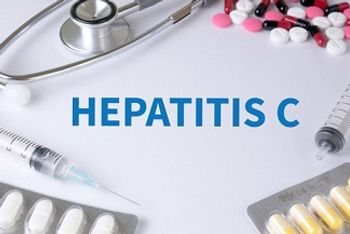
New research from UC San Francisco (UCSF) suggests hepatitis C cure may be reliably confirmed as early as four weeks after treatment, potentially improving care access for underserved populations.

A phase 3 trial of an investigational Lyme disease vaccine from Pfizer Inc. and Valneva SE demonstrated more than 70% efficacy, signaling potential progress toward the first approved human vaccine for the disease. Pfizer is planning to move forward with regulatory submissions for potential approval.

A new meta-analysis finds alarming increases in colistin resistance among Acinetobacter baumannii and Pseudomonas aeruginosa across Africa, threatening the effectiveness of one of the last-resort antibiotics.
This week, read about the DOTs trial, the latest measles numbers, the World Health Organization's new targets for antibiotic development, and more.
Advocates are pushing for federal action to ensure copay assistance counts toward patient deductibles, as insurers’ use of accumulator programs continues to drive up out-of-pocket costs. Carl Schmid, executive director of the HIV+Hepatitis Policy Institute, offers commentary to this unresolved issue.
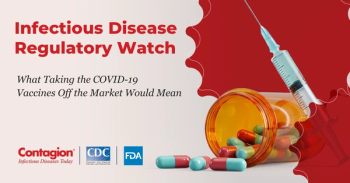
In this month's column, we look at the leadership change at CDC, an amicus brief supporting the AAP's lawsuit against HHS changes to the pediatric vaccine schedule, and potential clinical repercussions around the reports the federal government is considering removing the COVID-19 vaccine from the market.

A new bipartisan bill aims to eliminate cost barriers and expand access to PrEP by mandating comprehensive coverage and launching a national program for uninsured populations.

A district court judge has ruled against the current administration's vaccine policies and throws into jeopardy this week’s Advisory Committee on Immunization Practices meetings that were scheduled to discuss COVID-19 vaccines.
The World Health Organization has released 3 new target product profiles aimed at guiding the development of urgently needed antibiotics for severe drug-resistant infections, including multidrug-resistant gram-negative infections, resistant gram-positive infections in vulnerable patients, and bacterial meningitis.

A phase 3 clinical trial found the Butantan-DV tetravalent dengue vaccine provided 80.5% protection against severe dengue with warning signs over 5 years and prevented hospitalizations among vaccinated participants.
This week, read about tapering vancomycin for 2 weeks after a 2-week standard dose treatment of Clostridioides difficile, phage-antibiotic combinations, another episode from our vaccine roundtable, and more.