




C. Difficile
Latest News
Advertisement
Latest Videos







CME Content







































































































































Advertisement
More News

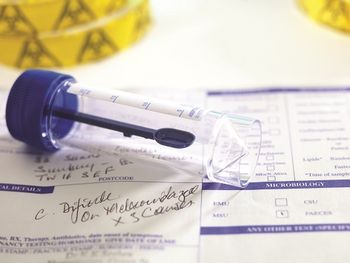
A new study suggests that for simple PCR-based detection of C. diff, dry rectal swabs were an effective substitute to the use of stool samples.
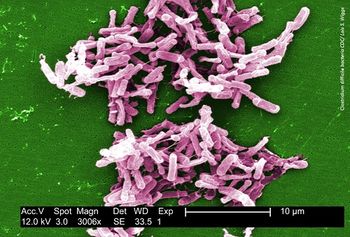
An economic evaluation finds that a bundled approach of stronger hand hygiene and improved environmental cleaning proved to be the best combination for reducing C. diff.
Dr. Thomas Sandora shares recent data on screening for asymptomatic carriage of Clostridium difficile and provides insight into what the preferred first-line treatment for the infection in children.

Stay up-to-date on the latest infectious disease news by checking out our top 5 articles of the week.

Given the impressive efficacy of fecal microbiota transplantation (FMT) on decreasing recurrence of Clostridium difficile infection (CDI), the next logical step is seeing how it works for hospitalized patients with CDI.

Study finds antibiotic use alters native gut bacteria that normally compete with C. diff for nutrients.
An analysis designed to assess infectious disease mortality in the United States between 1980 and 2014 revealed that the country has seen an increase in deaths caused by diarrheal diseases.

Maintaining consistent environmental cleaning and disinfection is critical to warding off emerging and re-emerging pathogens.

SMUCLA implements high-touch wipe down intervention to address the need for environmental disinfection of cancer patient care areas.

Dr. Richard Vickers, discusses C. difficile rates in the United Kingdom.
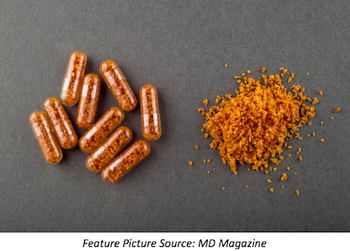
Investigators develop a statistical model predicting which bacterial strains will engraft after FMT.

Stay up-to-date on the latest infectious disease news by checking out our top 5 articles of the week.
Fecal transplantation and molecular testing are among the new recommendations.

Dr. Richard Vickers, discusses what the next steps are for Summit Therapeutic’s ridinilazole.
Edmond Hooker, MD, DrPH, stresses that the FDA and the CDC need to intervene to ensure that hospital mattresses get cleaned appropriately.

Barley Chironda, RPN, CIC, stresses that understanding what motivates health care workers’ actions is crucial for reducing C. diff rates in hospitals.

Glenn Tillotson, PhD, FIDSA, explains how costs associated with Clostridium difficile compare with other problematic health care-associated infections.
Richard Haupt, MD, MPH, explains why it’s harder to cover adults rather than children when it comes to vaccination.
Edmond Hooker, MD, DrPH, discusses a study that assessed the use of mattress covers in hospitals to cut down on CDI rates.

The FDA has approved Firvanq for the treatment of C. diff-associated diarrhea and enterocolitis caused by Staphylococcus aureus.

Dr. Richard Vickers, explains how ridinilazole affected the gut microbiome in participants of a phase 2 study.

In the USA: Nearly half a million Americans suffer from Clostridium difficile (C. diff.) infections in a single year according to a study released in 2015 by the Centers for Disease Control and Prevention.
Edmond Hooker, MD, DrPH, discusses how contaminated hospital mattresses act as a vector for spreading drug-resistant infections.

Dr. Richard Vickers, discusses how ridinilazole showed superior efficacy for the treatment of C. diff when compared with vancomycin in a phase 2 study.
Richard Haupt, MD, MPH, discusses what is needed to ensure that a future C. diff vaccine is adequately stocked and delivered to wherever individuals show up for vaccination.
Advertisement
Advertisement
Trending on Contagion Live
1
Ebola Outbreak Climbs to 11,645 Cases as Deaths Near 5700
2
VYD2311 Meets Interim Endpoints in Phase 3 DECLARATION COVID-19 Trial
3
Measles Update: November 20, 2026
4
EU Approves Sanofi's Rabies Vaccine VaxRabeo for All Age Groups
5