




Coronavirus / COVID
Latest News
Advertisement
Latest Videos



















































































































































Advertisement
More News

The federal agency was made aware some health care providers had administered the full single dose vial of the vaccine, which contains “notably more” volume than the 0.25 mL volume indicated for children aged 6 months to 11 years.

This discussion revolves around diagnostics for viruses and best practices and challenges.

Two RSV vaccines for seniors were FDA approved this year and here is an overview of the vaccines and the study data.
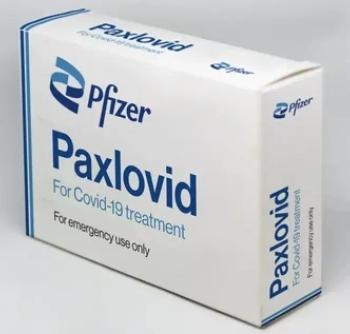
Veterans Affairs (VA) study finds some reduction in post-COVID thromboembolic events with early use of nirmatrelvir-ritonavir but no protection against 30 other conditions.

Imprecise language can fuel infodemics and misinformation and damage public trust.

A new study that went beyond the current standard of testing for the respiratory virus resulted in greater incidence rates and a truer accounting of case loads.

The company dosed its first study participant with its investigational vaccine, mRNA-1083. And this follows recent data reported from their phase 1/2 trial where the vaccine showed strong immunogenicity against influenza and COVID-19, with an acceptable reactogenicity and safety profile.
The federal agency sent out a health advisory to change the prescribing recommendations for the newer preventative respiratory syncytial virus (RSV) monoclonal antibody.

If approved, it would become the first nasal flu vaccine to be self-administered.

Association with Epstein-Barr virus reactivation sets the need for an antiviral clinical trial with cardiopulmonary exercise testing as an endpoint.
The company plans to begin a phase 3 trial for its mRNA-1083 investigational combination vaccine later this year.
The updated emergency user authorization follows similar approvals and authorizations for Moderna and Pfizer's COVID-19 vaccines.

Small study shows infected macrophages and foam cells cause cytokines to be released and may help explain why patients have cardiovascular complications long after getting the infection.

The findings show that treatment with the COVID-19 oral antiviral can develop into different strains and spread.

These novel vaccines are utilizing a self-amplifying messenger RNA (sa-mRNA) vaccine platform. Study data was reported at the ESWI Influenza Conference in Spain.
The federal agency’s Advisory Committee on Immunization Practices (ACIP) recommendation was to authorize and approve the updated 2023-2024 (monovalent, XBB containing) COVID-19 vaccines for persons 6 months of age and older.

Misinformation created unnecessary hospitalizations and mortality and demonstrated the chasm in public health communication.
The agency specified which age groups the vaccine is approved for and which are authorized to use them, paving the way for fall vaccinations to take place.
The company says its vaccine protects against the BA286 strain.

The European Medicines Agency (EMA) based its decision on preclinical data showing that the Omicron XBB.1.5-adapted monovalent COVID-19 vaccine generates an improved response against multiple XBB-related sublineages, including XBB15, XBB116, XBB23, and EG51.
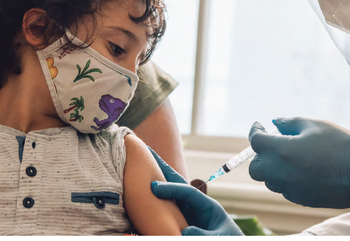
The CDC reports the original COVID-19 monovalent and bivalent vaccines helped reduce emergency department or urgent care encounters for children aged 6 months to 5 years.

Clinicians offer insights on the individual respiratory viruses as well as addressing management of coinfections.
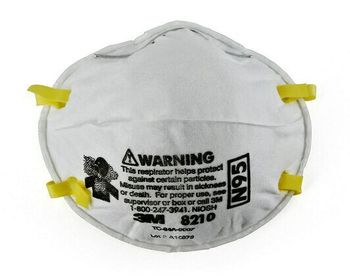
Masking to reduce COVID-19 transmission risk is required at a few colleges and one major movie studio.

Viruses and other concerns within medicine are being overlooked; health care preparedness must address these potential crises.

Social media platforms, public health agencies, and communities must join forces to stop the rapid spread of false information.
Advertisement
Advertisement
Trending on Contagion Live
1
Ebola Update: DRC Outbreak Reaches 9735 Cases, Second Largest on Record
2
Cefiderocol-Xeruborbactam Active Against Carbapenem-Resistant Bacteria
3
Pritelivir Cuts Hospital Days in Refractory HSV in Phase 3 PRIOH-1
4
Zelicapavir Shortens RSV Symptoms Despite Missing Primary End Point
5