




Coronavirus / COVID
Latest News
Advertisement
Latest Videos



















































































































































Advertisement
More News

Following household COVID-19 transmissions for over 3 years, investigators found that 70.4% had a pediatric index case.

How does the diagnosis rate of mental health disorders after COVID-19 compare to that of other respiratory infections?
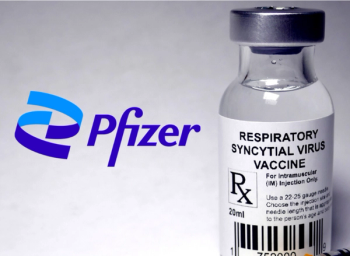
The FDA's decision to approve Abrysvo was based on data from a Phase 3 clinical trial, which demonstrated the RSV vaccine's efficacy, immunogenicity, and safety in adults aged 60 and older.

Neutralizing antibodies were initially lowest among Janssen vaccine recipients, but this all changed 6 months after vaccination.
European medical committee offers favorable opinion for people with all forms of renal impairment including those on dialysis.

Sleep as a shield: A new study reveals that sleeping well before COVID-19 infection reduces the risk of post–COVID-19 condition (long COVID).

Analysis of symptoms present six months or more after SARS-CoV-2 infection was used to develop a composite scoring framework for identifying postacute sequelae of SARS-CoV-2 infection (PASC) as a new condition.
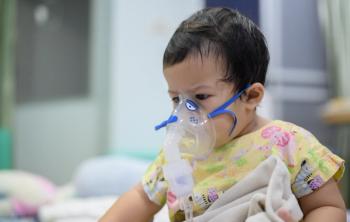
The Omicron variant caused the most symptoms in pediatric patients. However, there were no differences in adverse outcomes by COVID-19 variant.

A large study of patients treated in the intensive care unit (ICU) demonstrates common genetic links that point to a potential reason for people progressing to life-threatening forms of the respiratory virus.

Accelerating bivalent booster vaccine campaigns for children could reduce pediatric hospitalizations and school absenteeism.
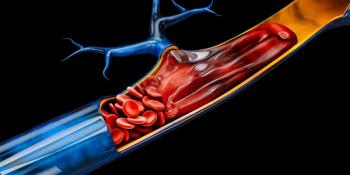
Anticoagulant treatment for 3 to 6 months was sufficient for the majority of COVID-19 patients with venous thromboembolism, the study authors found.
The recommendations look to increase usage of the antiviral and decrease the routine use of the recombinant IL-1 inhibitor for COVID-19 treatment.
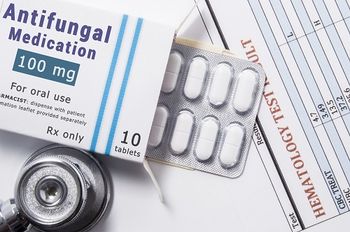
Antifungal therapy was frequently initiated before essential diagnostic elements confirmed invasive fungal infections in critically ill COVID-19 patients.
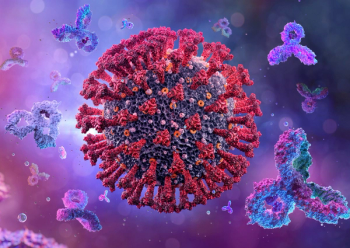
COVID-19 patients treated with the monoclonal antibodies tixagevimab and cilgavimab had few hospitalizations but no deaths.
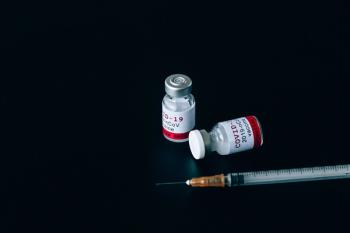
Although vaccine effectiveness against the Omicron variant drops rapidly over time, a booster dose bolsters protection levels.
This study determined the efficacy of face masks at reducing exhaled particles in children, as well as whether the type of activity affected the concentration and size of particles.

On the same day WHO Director-General Tedros Adhanom Ghebreyesus declared the end of the COVID-19 public health emergency, CDC Director Rochelle Walensky announced she will be stepping down at the end of June.

COVID-19 symptom or viral rebound in the absence of antiviral treatment is common, but the combination of symptom and viral relapse is rare.

Decreased racial and ethnic disparities in COVID-19 mortalities between the first and Omicron waves of the pandemic could be explained by increased deaths in non-Hispanic White adults and changes in the geographic spread of the pandemic.
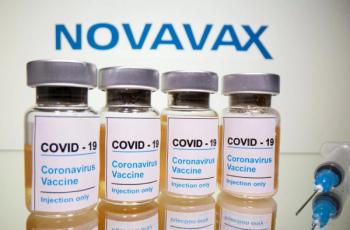
The vaccine efficacy of the Novavax’s NVX-CoV2373 was 79.5% in adolescents.
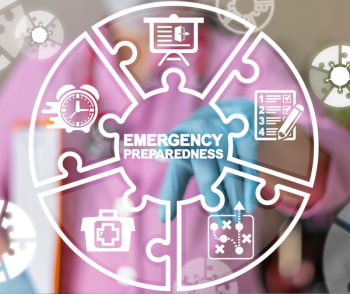
The complexity of dealing with emerging infectious diseases makes preparedness difficult.

An epidemiologist offers some insights on what we need to take into a potential next pandemic including infrastructure investment and more effectively communicating messages to the public.

Panel moderator Rodney Rohde, PhD, notes that word choice is important and clinicians should emphasize the COVID-19 vaccine is not a live virus but is instead designed to challenge the immune system to protect against the virus.
The study authors wanted to further understand post-COVID-19 infection “brain fog” and sought a new name for the phenomenon.
The antiviral is being studied for treatment for those at high-risk for severe COVID-19, no matter their vaccine status.
Advertisement
Advertisement
Trending on Contagion Live
1
Ebola Update: DRC Outbreak Reaches 9735 Cases, Second Largest on Record
2
Cefiderocol-Xeruborbactam Active Against Carbapenem-Resistant Bacteria
3
Pritelivir Cuts Hospital Days in Refractory HSV in Phase 3 PRIOH-1
4
Zelicapavir Shortens RSV Symptoms Despite Missing Primary End Point
5