


Coronavirus / COVID
Latest News
Health System Partners with Paramedics to Administer Monoclonal Antibodies at Home
By Jonna Lorenz
FDA VRBPAC Votes to Recommend Pfizer-BioNTech COVID-19 Vaccine in 5 to 11 Year Olds
Advertisement
Latest Videos



































































































































Advertisement
More News

Unpublished data from the company's ongoing pediatric trial show children aged 6 to <12 years old have an antibody response greater than that of young adults.
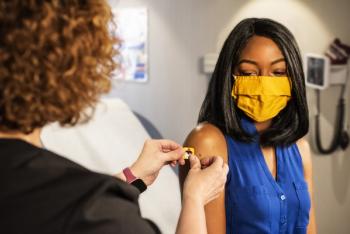
The median vaccination rate of white American adults was found to be 1.3 times higher than Black and Hispanic adults.
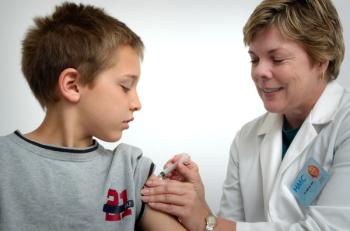
Data presented to the Vaccines and Related Biological Products Advisory Committee (VRBPAC) showed 2 10 µg doses of the Pfizer-BioNTech vaccine to be 90.7% effective in children older than 5 and younger than 12.
The federal agency and infectious disease organization have teamed up to offer a wealth of resources for health care professionals on the frontlines of treating the virus.
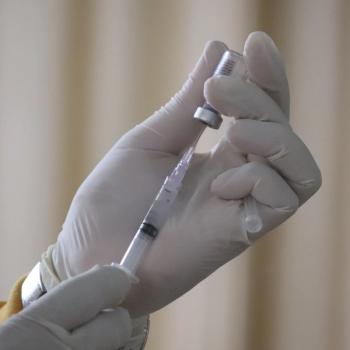
The FDA and CDC have authorized and recommended 3 different booster doses, to be used in "mix-and-match" strategy among eligible adults. What does this mean for immunity?
The Centers for Disease Control and Prevention (CDC) Director Rochelle Walensky's, MD, endorsement Thursday evening came after 2 days of deliberation from the CDC’s Advisory Committee on Immunization Practices (ACIP) where the group recommended the Moderna and Janssen COVID-19 vaccine “booster” doses.
The actions taken by the FDA set differing availability of the 3 emergency-authorized vaccines.

PASC (postacute sequelae of COVID-19) was found to persist for at least 6 months in more than half of those contracting the infection.
The CDC found 2 doses of Pfizer-BioNTech reduced COVID-19 severe outcomes and hospitalization by 93% in adolescents 12-18 years old.

The White House said it has secured enough of the Pfizer-BioNTech vaccine supply to offer vaccinations for everyone in this age group.
The company announced the Emergency Use Authorization (EUA) for use with its Spectrum Solutions SpectrumDNA SDNA-1000 collection device on the Amplitude Solution.
The company’s current investigational medical device, Sigyn Therapy, is a novel medical device that is being studied for addressing viral pathogens and bacterial toxins to avoid this massive inflammation onslaught and the potential of sepsis.
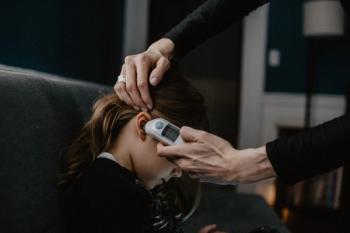
Infants, children, and adolescents can carry and spread COVID-19 at the same rate as adults.
The decision comes after supporting data from a "mix and match" trial last week, and may align with emergency authorizations for the Moderna and Janssen booster doses.

One of the infrequently discussed health outcomes that can be impacted by a pandemic is fertility. Using a cross-sectional study, a research team reported incremental increases in infertility during this period.

Comparing 2020 to 2019, investigators saw a reduction in the number of HIV tests, the number of in-person consultations, and new enrollments in care, due to the disruption in HIV care throughout the COVID-19 pandemic.
The VRBPAC committee unanimously voted in favor of the Janssen (Johnson & Johnson) COVID-19 vaccine for use under EUA as a booster dose in individuals 18 years and older at least 2 months after a single dose primary vaccination.
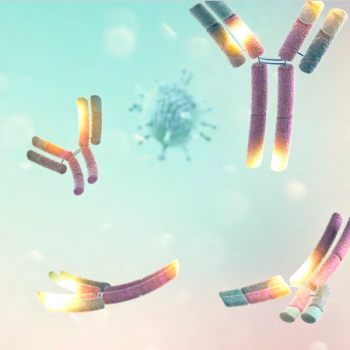
Outside of vaccines, these underutilized therapies are the best defense against severe disease.
Lower rates of COVID-19 vaccination may be due to access, not hesitancy.
The VRBPAC meeting precedes deliberation from the FDA on amending the company's emergency authorization to include booster doses for adult patients.
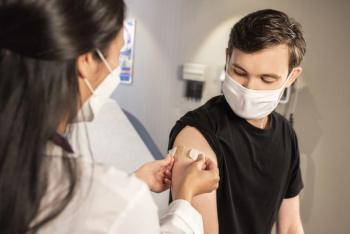
While receiving a booster of one’s original COVID-19 shot leads to an immune boost, this was heightened among individuals who received a different booster than their primary vaccine.

The FDA suggested that Johnson & Johnson had not conducted an appropriately thorough test to prove its vaccine requires a six-month booster.
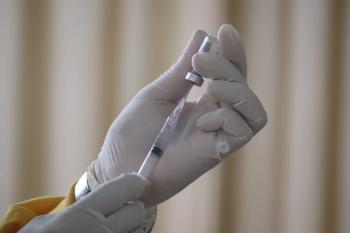
New clinical trial is first to describe concomitant administration of any vaccine with either an adenoviral vector or mRNA COVID-19 vaccine.
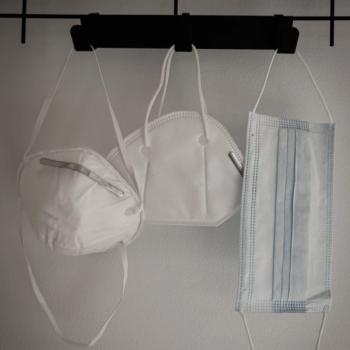

No ICU admissions or deaths were reported among Native American patients treated with monoclonal antibodies for COVID-19 in a recent study.
Advertisement
Advertisement
Trending on Contagion Live
1
Cefiderocol-Xeruborbactam Active Against Carbapenem-Resistant Bacteria
2
Pritelivir Cuts Hospital Days in Refractory HSV in Phase 3 PRIOH-1
3
Ebola Update: DRC Outbreak Reaches 9735 Cases, Second Largest on Record
4
Early Antibiotic Stop in Neutropenic Fever Did Not Raise Severe Events
5