




Coronavirus / COVID
Latest News
Advertisement
Latest Videos


























































































































































Advertisement
More News
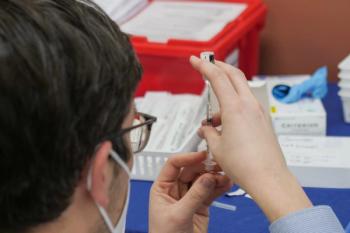
Just 39 cases among more than 2.2 million doses administered.
A recent study supported the use of a therapeutic dose of heparin for moderately ill patients with COVID-19, with results showing a significant reduction in all-cause death despite no significant reduction in a composite of death, mechanical ventilation and ICU admission.
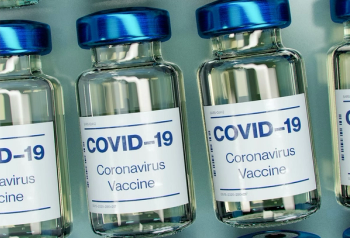
2 doses of the India-developed vaccine BBV152 offer 77.8% protection against symptomatic COVID-19 disease.

A multicenter, randomized trial of patients in Europe and India showed improvements in mortality among patients with COVID-19 who received a higher dose of dexamethasone.
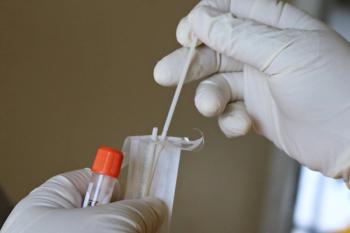
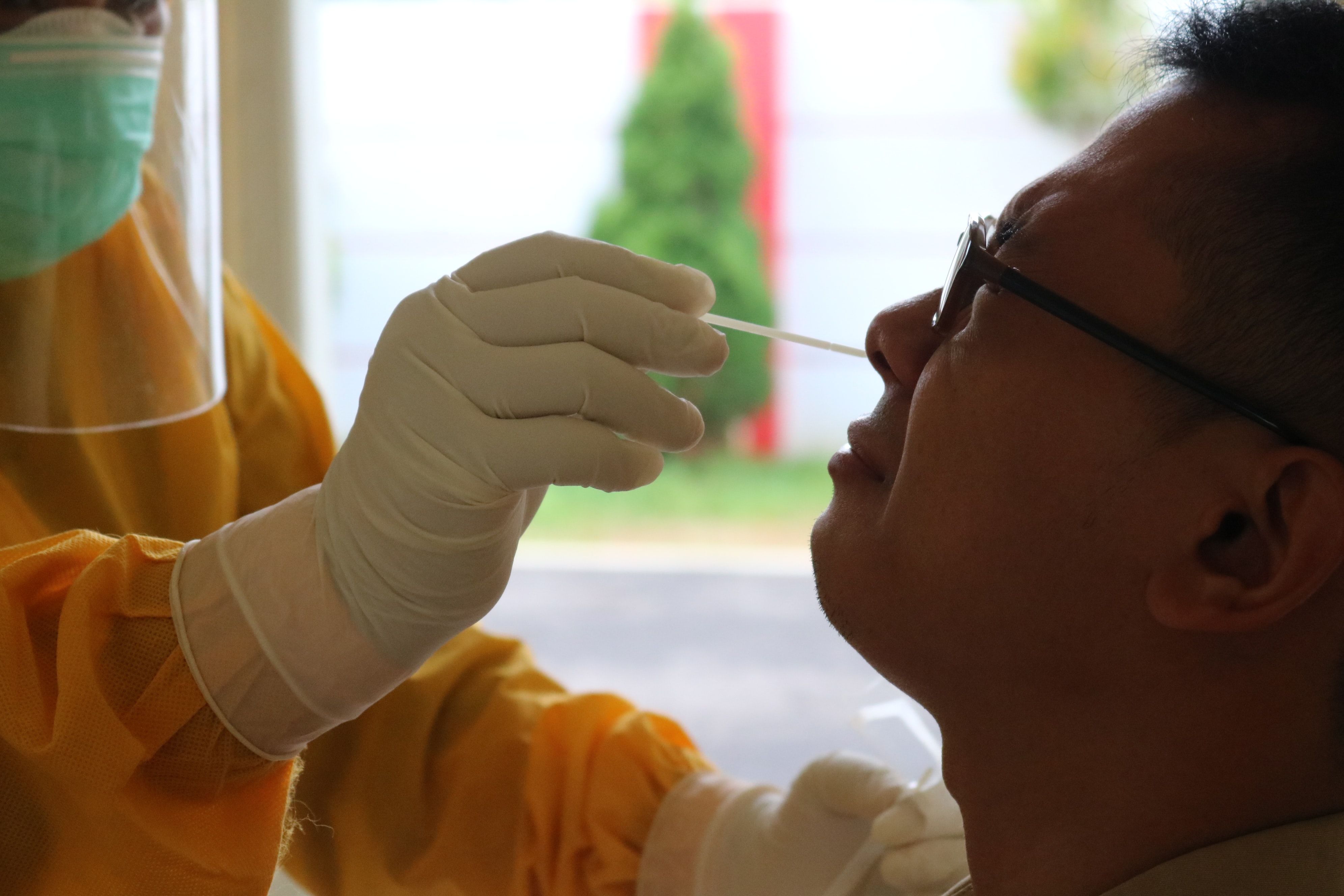
COVID-19 testing has been an integral part of our country’s strategy to limit disease transmission. Here’s the latest information on types of tests, when they’re appropriate to use, and what they realistically can and cannot do to curb infection.

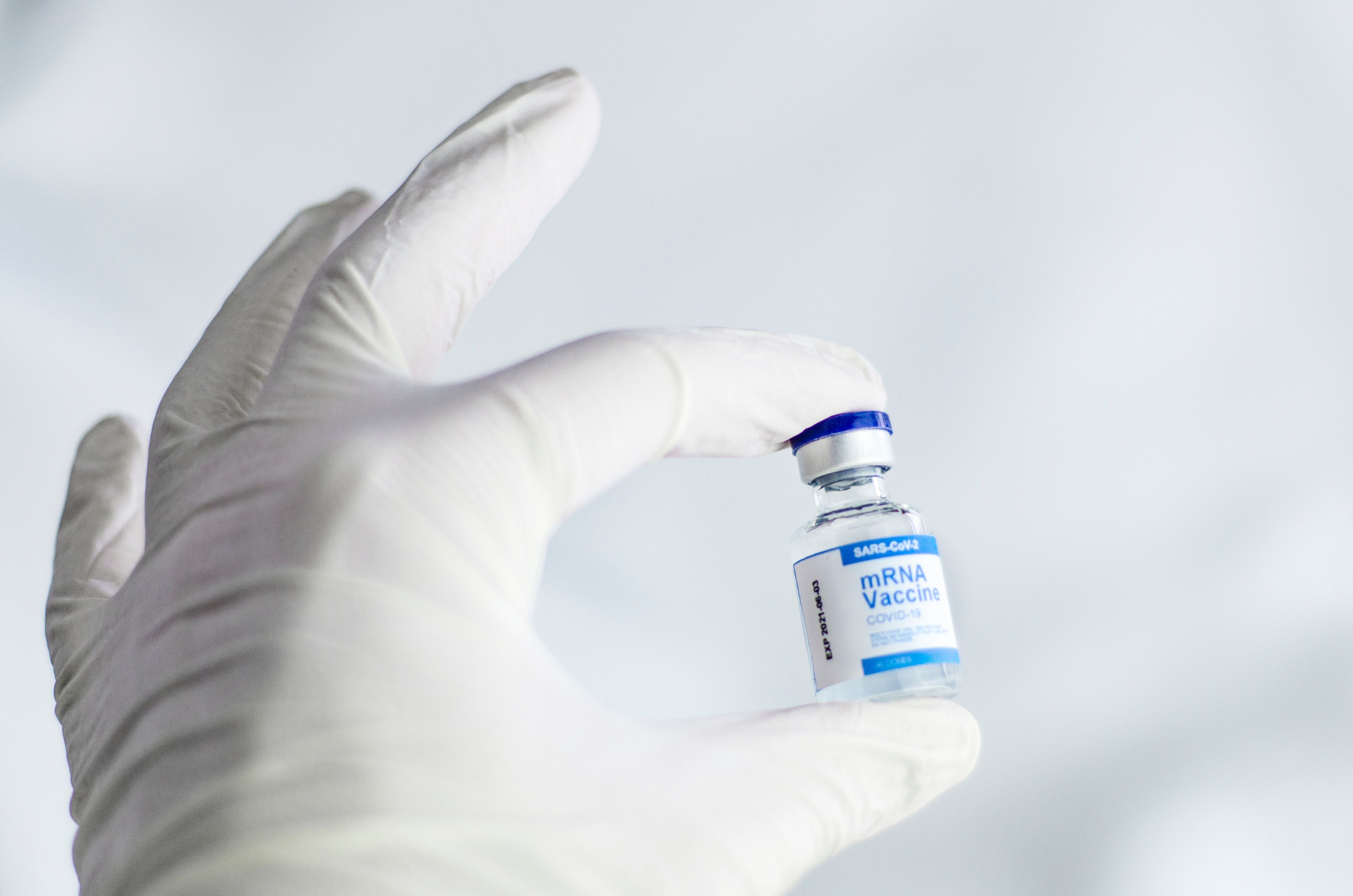
Pfizer-BioNTech's request for the Emergency Use Authorization (EUA) will apply to everyone 18 years and older.
A new study looks at this population and what factors affect outcomes, including diagnosis. This is significant not only for pandemic response, but also preparedness for vulnerable patient populations.

This morning, Regeneron released their phase 3 trail data for REGEN-COV, showing 4 injections provide up to 81.6% protection against symptomatic COVID-19.

A survey published in JAMA reveals some remain firmly entrenched.
People with rheumatologic conditions are more likely to experience COVID-19 symptoms lasting longer than a month, and this is affected by smoking or preexisting conditions.

Interim, unpublished data show PAXLOVID is associated with 89% reductions in risk of COVID-19 hospitalization or death. Pfizer is now seeking FDA emergency authorization.

The Biden administration is also setting mandates for health care workers in facilities receiving federal aid.

The investigational oral antiviral therapy from Merck is still awaiting FDA authorization.

Novavax was approved for their first COVID-19 vaccine EUA in Indonesia, and expects more to follow shortly.

The ACIP considered the benefits of the newly emergency-authorized vaccine versus the risks of COVID-19 in children aged 5-11 years old.

Loma Linda University worked with local leaders to help promote equitable delivery of COVID-19 vaccines in Black communities.

Pilot program benefits those in need most, covering potential costs associated with vaccination.
The monoclonal antibody sotrovimab reduced the risk of hospitalization or death by 85% in high-risk patients with mild-to-moderate COVID-19.

The emergency use authorization (EUA) is based on the vaccine data and the Food and Drug Administration’s (FDA) Vaccines and Related Biological Products Advisory Committee (VRBPAC) recommendation.

A new report underscores what early data suggested about disparities in the risk of hospitalization and death from COVID-19.
COVID-19 patients treated with fluvoxamine had a reduced risk of hospitalization and death.

Most COVID-19 infection occurs in household settings, and though vaccinated individuals who contracted the Delta variant recovered more quickly than unvaccinated persons, they had similar peak viral load.
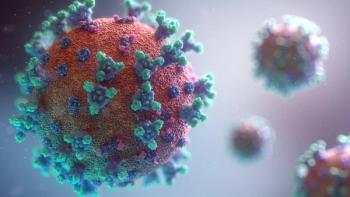
The new AY.4.2 "Delta plus" COVID-19 variant is gaining prevalence abroad and is estimated to be slightly more transmissible.
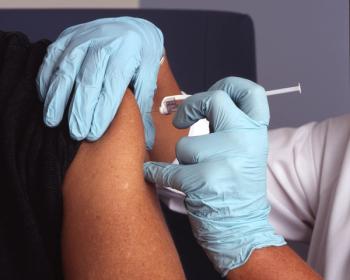
A new study assessed the vaccine acceptance and access among Black and Latinx communities.

First responders are twice as likely to become infected with COVID-19 in the workplace as health care workers and other essential workers, and this increases significantly after adjusting for cofounding factors.
Advertisement
Advertisement
Trending on Contagion Live
1
Cefiderocol-Xeruborbactam Active Against Carbapenem-Resistant Bacteria
2
Pritelivir Cuts Hospital Days in Refractory HSV in Phase 3 PRIOH-1
3
Ebola Update: DRC Outbreak Reaches 9735 Cases, Second Largest on Record
4
Early Antibiotic Stop in Neutropenic Fever Did Not Raise Severe Events
5