






















































































































































IgG titers were positively linked with symptom severity and certain comorbidities.
IgG titers were positively linked with symptom severity and certain comorbidities.

The US federal government announces plans for mRNA COVID-19 vaccine booster doses, and more children and teens are getting hospitalized for the virus.

The evolution of the major variants, including the delta mutation.

Common cloth and surgical masks allow for the build-up of aerosol droplets over time.

While an association was found, the adverse events are very rare.

All Americans who received either Pfizer or Moderna will be eligible 8 months after their second dose.

PrEP initiations, discontinuations and lapses all increased among Latinx patients post shelter-in-place orders.
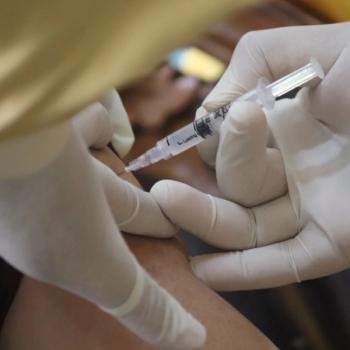
The Biden administration reportedly hopes for FDA-authorized booster doses for the adult general population in the next month.

While the COVID-19 pandemic has helped advance respiratory diagnostics and surveillance, there are still many gaps that remain across the spectrum of healthcare.
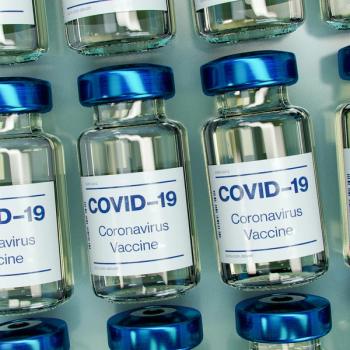
The US is targeting a possible Fall rollout of publicly available doses, yet experts debate their current necessity.

Fewer than 10,000 adverse events among more than 8.9 million doses administered.

The Centers for Disease Control and Prevention (CDC) endorses the additional COVID-19 vaccine shot in immunocompromised people.

A quartet of infectious disease, vaccinology, and virology experts share thoughts on the FDA's newest emergency authorization for COVID-19 mRNA vaccines.

"Humans dislike change, especially when it is rapid, unexpected, or negative. Delta is all 3."

Donald Alcendor, PhD, shares expert perspective on the newest FDA authorization, as well as what a full COVID-19 vaccine approval would mean for US immunization.

The move will offer an extra boost of immunity for patients with compromised immune systems, including organ transplant recipients.
An England study shows the Pfizer-BioNTech and AstraZeneca vaccines remain effective in reducing symptomatic disease risk.
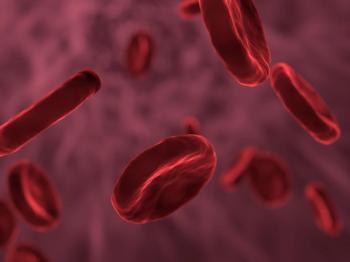
Three international trials combine data to find optimal heparin dosing against hypercoagulability and thrombosis in patients with COVID-19.

The Food and Drug Administration (FDA) is expected to expand the Emergency Use Authorization (EUA) of the Pfizer-BioNTech and Moderna vaccines for a third dose in those who might be vulnerable to COVID-19.

The vaccine demonstrated an acceptable safety profile in the adolescent population.

The federal agency recommends that all women who are pregnant, recently pregnant, and planning to become pregnant get the COVID-19 vaccine.

A look at the COVID-19 driven factors for this upcoming influenza season, from reopening classrooms to reduced mutation chances.

The active asthma group was not associated with a higher likelihood of mortality within 60 days.

Birth rates didn’t vary by whether the births were spontaneous or medically-indicated.

A conversation with William Schaffner, MD.