






































































































































The US Centers for Disease Control and Prevention has updated COVID-19 guidance, sharing advice on safe travel
The US Centers for Disease Control and Prevention has updated COVID-19 guidance, sharing advice on safe travel
Martin Kulldorff, PhD, takes a total social health perspective on the global use of mass quarantines as a primary COVID-19 control strategy.
Brad Spellberg, MD, discusses how the subspecialty lost "ownership" of its opportunities for pattented prescribing and referral years ago.
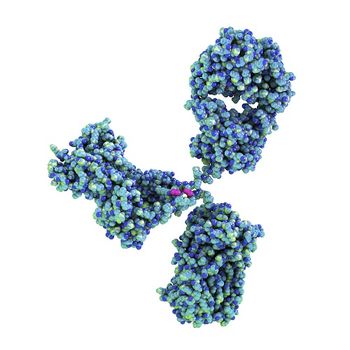
Company says investigational therapeutic could afford at least 6 months of protection from the virus.
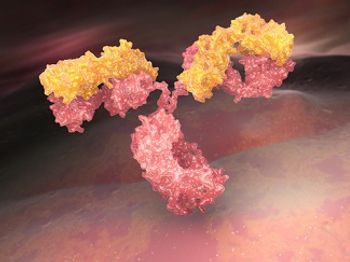
This could be an important feature in potential vaccine development.

Regeneron will distribute a prospective therapy in the US and Roche will be responsible for it internationally.
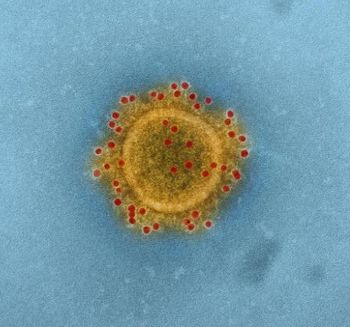
Investigators observed a second set of virus in a previously infected 33-year-old man, nearly 5 months after his first positive COVID-19 case.
An infectious disease chief medical officer discusses the cracks in US healthcare exposed by the pandemic.

Obesity was a risk factor for intubation and death from COVID-19 for adults under the age of 65.
The newest authorization comes following a week of clinical, legislative, and public health debate surrounding the realistic benefit of the survivor-extracted therapy.

Martin Kulldorff, PhD, explains the standard Sweden uses to collect data on the country's seemingly high COVID-19 mortality.
The IDSA recommends against its use in the hospital setting.
Martin Kulldorff, PhD, explains how an age-based focus for COVID-19 mitigation might better protect both older people and younger people with comorbidities.

School administrators, nurses and teachers are trying to develop plans to bring students back for critical in-school learning while keeping staff and immune-suppressed students safe.
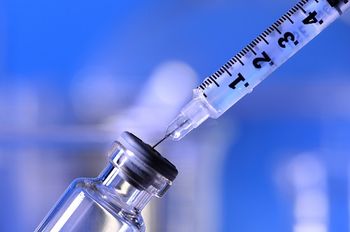
The vaccine candidate, BNT162b2, was well-tolerated and phase 3 enrollment is more than one-third complete.
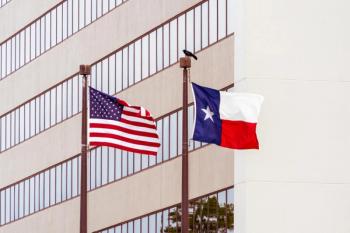
Rodney E. Rohde, a clinical laboratory specialist at Texas State University, goes into the competing priorities of college and K-12 school reopening.

Scientists are willing to speak out and have collegial debates – but medical institutions and media have to catch up: fringe voices are often the only ones platformed to discuss important scientific nuances or debates.
In unexposed blood samples, investigators discovered memory helper T cells that recognize cold coronaviruses also recognized SARS-CoV-2, and may help people fight off the virus.

Postmarketing vaccine experience with vaccines suggests the candidates approved by the FDA for COVID-19 will be safe and effective

A University of Maryland Professor of Pathology explains that SARS-CoV-2 has unique ways of evading detection.
Pediatricians agree schools are critical for child development and mental health. But their safety from the pandemic cannot be comprised for it.
The US FDA was said to be considering an emergency authorization for COVID-19 plasma just last week. For now, the authorization is on hold.
Join us tomorrow for an informative discussion on CDC guidance and insights from medical experts on navigating a way back to in-school learning.
Symptomatic case fatality ratio and infection fatality ratio provide a more accurate picture of pandemic, they say.

Citing the rise of the anti-vaccine movement, Peter Hotez, MD, PhD, explains the role scientists can play in building trust and literacy by engaging the public.