































































































































The results of a 5-year study show that coffee drinking can cut down the risk of all-cause mortality in patients with HIV and hepatitis C virus (HCV) infections.
The results of a 5-year study show that coffee drinking can cut down the risk of all-cause mortality in patients with HIV and hepatitis C virus (HCV) infections.

Contagion® will be providing exclusive coverage on the conference, and so, keep your eyes peeled for session coverage and interviews with some of the key presenters.

A new study reveals that direct-acting antivirals, like sofosbuvir, may help improve kidney function in some patients.

Phase 3 study shows that combination of elbasvir and grazoprevir is highly efficacious in hepatitis C virus (HCV) infected patients with inherited blood disorders.

Routine, rapid hepatitis C virus (HCV) testing may be a cost-effective method to help decrease the prevalence of new infections in high-risk communities.

The results of a new study have shown that an integrated care (IC) program can be successful in providing treatment to patients infected with hepatitis C virus (HCV) who were unlikely to respond to traditional outreach efforts.

Alex Rinehart, PhD, explains if cabotegravir interacts with any other medications.

Stay up-to-date on the latest infectious disease news by checking out our top 5 articles of the week.
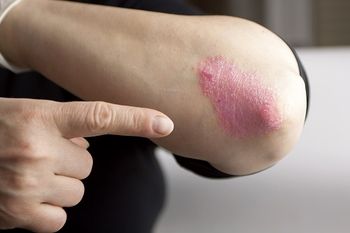
Researchers from the Department of Dermatology at the Northwestern University Feinberg School of Medicine have found no correlation between having psoriasis and the prevalence of hepatitis B or C.

The New York State Department of Health warns of potential disease exposure in two facility locations in Westchester County.

Janssen announces a strategic decision to discontinue the development of investigational hepatitis C treatment, JNJ-4178, a triple-combination drug, consisting of three direct-acting antivirals.
Researchers elucidate the prevalence of hepatic steatosis in patients infected with HIV, as well as in patients coinfected with HIV and HCV.

This week we explore whether or not a national state of emergency and criminalizing opioid abuse will really help to stop the problem.

A new study finds that sofosbuvir-based treatment in a real-life setting offered SVR rates greater than 90% in hard-to-treat HCV genotype 3 patients with advanced liver disease.

A recent study finds that the use of sofosbuvir-based direct-acting antivirals for HCV treatment was effective and well-tolerated in elderly patients.
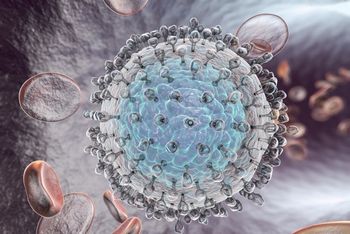
A new study demonstrates that the drug regimen consisting of glecaprevir plus pibrentasvir for non-cirrhotic patients with HCV genotype 1-6 is safe and effective.

With IV drug use accounting for 60% of new infections, treatment for individuals in this population is necessary to stave off new infections.

The US Food and Drug Administration approved Mavyret for adults with chronic hepatitis C virus (HCV) genotypes 1-6 without cirrhosis or with mild cirrhosis.
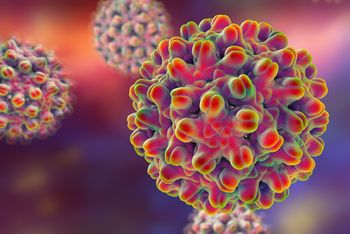
A recent study finds that HBV reactivation occurs earlier and is more severe in HBV/HCV coinfected patients treated with DAA therapy compared with patients treated with IFN-based therapy.

A new study published in the Journal of Hepatology evaluates the risk of HBV reactivation in veterans receiving direct-acting antiviral therapy.

Study finds that hepatitis C patients who had reached sustained virologic response using direct-acting antiviral drugs show a considerably reduced risk of the most common type of liver cancer.


A research team from the Netherlands turns to deep sequencing technology to detect hepatitis C virus resistant variants.

A naturally occurring compound in plums has been found to block the entry of the hepatitis C virus into cultured liver cells.

A recent report coming from the O’Neill Institute for National & Global Health Law takes a closer look at the tools needed to achieve hepatitis C elimination in the United States.