












































































































































Human papillomavirus (HPV) impacts millions of Americans, and new study sought to address the epidemiology of HPV and high-grade squamous intraepithelial lesions (HSIL).
Human papillomavirus (HPV) impacts millions of Americans, and new study sought to address the epidemiology of HPV and high-grade squamous intraepithelial lesions (HSIL).
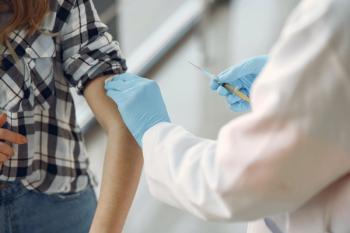
The HPV vaccine is incredibly important in preventing certain cancers and a new study sought to address the safety concerns for vaccine refusal in a national immunization survey for teenagers.
A new Danish study found no evidence of a causal association between the quadrivalent human papillomavirus vaccination and syndromes with autonomic dysfunction.

Clinicians accustomed to HIPAA guidelines may not be aware of changes in confidentiality when they make contact with school health care services.
A new study has identified that misinformation and limited clinician communication around HPV risk among young men who have sex with men some of the barriers to HPV vaccination.
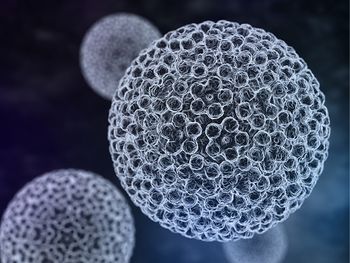
A new retrospective study provides more evidence that a single HPV vaccine dose may be effective in preventing cervical cancer.
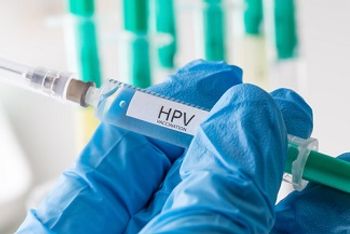
Vaccinating adults ages 27-45 years against human papillomavirus (HPV) was projected to have low public health benefits and high costs, according to a new report.
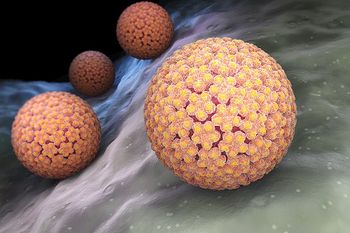
Although screening and follow-up rates were lower than expected in this trial, the option of testing for HPV at home may prove to be a game-changer.
A study of female adolescents at a health clinic in New York City has found the presence of HPV in the oral cavity is not uncommon, but the results also offer support for vaccination.
Long-term immunogenicity of a 2-dose schedule of the quadrivalent HPV vaccination was demonstrated in a new study in Canada that followed up on an earlier clinical trial.
A recent study found evidence of herd immunity to HPV oral infection among unvaccinated men aged 18 to 59 years in the United States.
As outbreaks of vaccine-preventable diseases grow, it is important to review vaccination recommendations by age group.
The adjusted hazard ratios for 1-dose and 2-dose recipients were comparable to the 3-dose recipients (1 dose 1.01 [95%CI 0.81–1.26], 2 doses 1.00 [0.85–1.17]) after adjusting for age at vaccination among the vaccinated group.
Although PrEP drugs are key to preventing HIV infection, a new study by French investigators found a high prevalence of high-risk human papillomavirus infection among MSM taking PrEP.
ACIP voted 10-to-4 to expand the recommended HPV vaccine “catch-up” age for men from 21 to 26, matching the existing guidelines for women.
Investigators on the CapU3 study concluded that urinary HPV testing may be a good alternative to Pap smear for some women.
The HPV vaccine appears to be doing what it was intended to do—lowering rates of cervical cancer, particularly HPV types 16 and 18, responsible for most cases worldwide.
In 2016, 60% of adolescents had initiated the HPV vaccine series but only 16% completed the vaccination series by age 13 and 35% by age 15.
The recombinant 9-valent human papillomavirus (HPV) vaccine, Gardasil 9 is now approved in adults 27 to 45 years of age.
When it comes to HPV infection in men who have sex with men, the type of virus they contract has real implications for their future cancer risk.
A new study reveals that the quadrivalent HPV catch-up vaccine was most effective against cancer risk in women who received the first dose between the ages of 14 and 20 years.
Study results suggest that HPV testing is able to detect cervical intraepithelial neoplasia earlier and more accurately than cytology.
The women who received the HPV vaccine showed lower rates of severe dysplasia which can lead to cervical cancer.
A higher number of new sexual partners, as well as lifetime sexual partners, may drive this risk in these patients.
Despite public health recommendations, a new study has found that too many adolescents and young adults in the United States are failing to complete the full vaccination course for HPV.