


Sexually Transmitted Diseases
Latest News

Missing Early Intervention Leads to Costly Hospital Stays for Patients With HIV
By Jonna Lorenz
Advertisement
Latest Videos






















































































































































Advertisement
More News
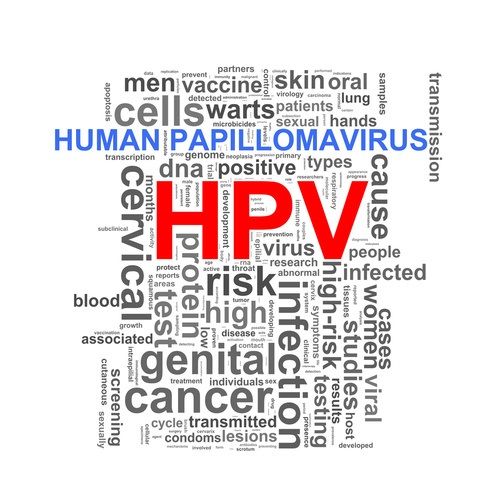
A new retrospective study provides more evidence that a single HPV vaccine dose may be effective in preventing cervical cancer.
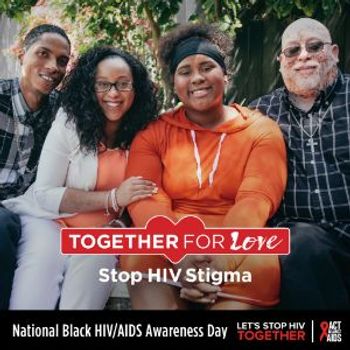
February 7th is commemorated each year to highlight the impact that HIV and AIDS has on the black or African American population in the United States.

Andrea L. Cox, MD, PhD, comments on the future of HCV vaccine development efforts in light of the 2019 trial which did not prevent chronic infection.
NIAID and partner organizations have discontinued HIV vaccination in a South Africa based experimental trial.

Andrea L. Cox, MD, PhD, discusses the implications of discovering that an experimental vaccine was not effective at preventing chronic hepatitis C virus.
A new study provides evidence that more needs to be done to meet the needs of children in rural Zimbabwe who are exposed to HIV.

Regardless of HIV status, frailty was a strong predictor for mortality and comorbidity for middle-aged adults.

Through the platform providers, consumers, and procurers will have access to full prescribing inserts and FDA-reviewed product labeling which will provide additional important information to patients and providers.

Daniel Chastain, PharmD, BCIDP, discusses how antiretroviral stewardship might practically be implemented in the context that antimicrobial stewardship as a whole is often underdeveloped.

Max Brito, MD, MPH, explains the value of bringing safe, confidential, and non-stigmatizing HIV treatment to the community at IDWeek2019.
Standalone HIV testing centers in San Diego County, California, have been largely effective at reaching people at high risk of infection, according to a new study that also identified areas where targeted testing efforts may be beneficial.
Babies born with HIV benefit from beginning ART with days—not weeks—of birth.

A study has revealed the ways Mycoplasma genitalium competes with host organism cells for essential metal nutrients.

Andrea L. Cox, MD, PhD, compares the rates of hepatitis C and hepatitis B diagnoses since the start of the opioid epidemic.

Public Health England reported the promising news that new HIV transmission in the UK continued to decline in 2018.

Using a trial of antibiotics may be useful for predicting tuberculosis in ambulatory patients with HIV, particularly in settings with limited access to resources, a new study suggests.

Although antiretroviral therapy restores a patient with HIV’s immune system, lingering damage from HIV can render past vaccinations obsolete, a new study finds.
A new study conducted by CDC investigators found that commercially insured patients persisted on PrEP for median time of 13.7 months, compared to 6.8 months among Medicaid patients.

The prevalence of NTDs in pregnancies among women with diagnosed HIV infection was 7.0 per 10,000 live births, which was similar to that among the general population.
New legislation, cost assistance program will likely reduce transmission.
Over the past decade and a half, more Americans have begun to receive STD-related diagnoses and care in a primary care setting. New recommendations from the CDC aim to help ensure quality care amid the shift.
Roughly half of all American expectant mothers living with HIV are receiving treatments that don’t meet federal guidelines. A new study examines prescribing choices for this population.
Viral suppression at 2 years nearly doubled for people with HIV in a medical care coordination program implemented by the Los Angeles County Division of HIV and STD Programs, a new study found.

Contagion® counts down the top HIV news stories of 2019, including FDA approvals, breakthrough discoveries, recommendations from the frontlines, and a big-picture look at just how close we are to ending the epidemic.

A new study out of Africa demonstrates that maternal-child clinics may act as a one-stop shop for both pregnancy and postpartum concerns and HIV protection.
Advertisement
Advertisement