


Sexually Transmitted Diseases
Latest News
Advertisement
Latest Videos












































































Advertisement
More News

Along with other heart ailments, new research finds that people living with HIV have a greater risk of atrial fibrillation.
The SLATE study evaluated whether a clinical algorithm can help clinicians determine eligibility for same-day treatment among people living with HIV and initiate ART when appropriate.
People are living long lives with HIV care, but it is important to acknowledge aging-related challenges of HIV prevention, testing, treatment, and care.
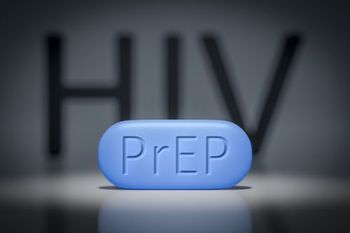
The prevalence of sexually transmitted infections is rising, and a new study suggests a higher risk for HIV-positive MSM whose partners use PrEP.
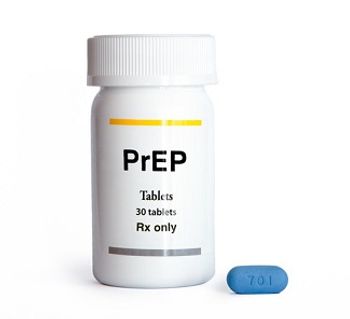
A study conducted in Kenya demonstrated that appealing to women who present at family-planning clinics to obtain birth control can increase the percentage who will use PrEP.
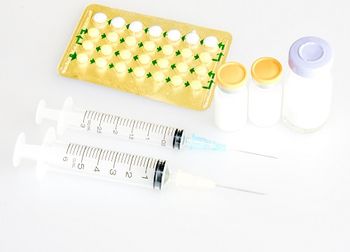
There was no difference in HIV acquisition among women who used progestogen-only injectables, implants, or intrauterine devices.

In the doxycycline as PrEP arm, there was a 73% reduction (p = .02) in syphilis, Neisseria gonorrhoeae, and Chlamydia trachomatis infections.
In 2018, the UK recorded 4484 new cases of HIV, representing a 28% decrease compared with the 6271 new diagnoses documented in 2015.

That daily PrEP dose may not be necessary, according to a new study that examined time-driven and event-driven dosing in a high-risk population.

The in vitro activity of nano-mupirocin, as well as its distribution to vaginal mucus, strongly support its development for the treatment of MDR gonorrhea.
Allowing pharmacists to provide PrEP care is a feasible alternative for improving access to the treatment, according to a recent trial that was well-received by patients and pharmacists.
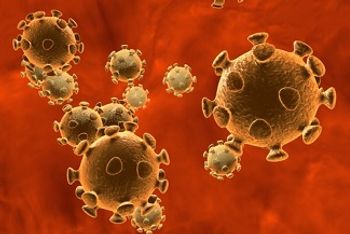
Advances in treatment mean people are living longer than ever with HIV—but the flip side is an increased risk of certain diseases, especially ones related to aging.

The study has achieved its primary objective, demonstrating that administration every 8 weeks is as effective in maintaining viral suppression compared with monthly administration.
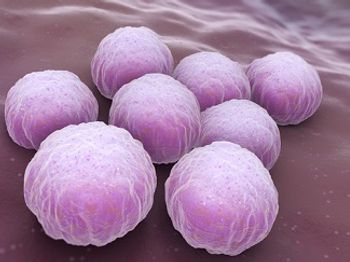
Lactic acid produced by bacteria in the vagina may help protect women from Chlamydia trachomatis infection, a new study suggests.
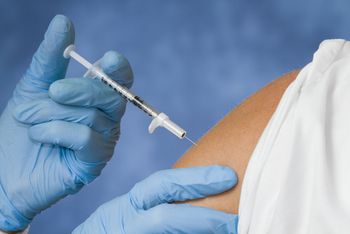
The vaccine was based on a recombinant protein subunit (CTH522) and evaluated in a prime-boost immunization schedule.

Transitioning from a child born with HIV into an adult living with HIV often means less adherence to antiretroviral medication therapies and a lower level of viral suppression. A new study delves into some possible reasons why.

There has been increasing interest in the association between neural tube defects, dolutegravir, and integrase inhibitors as a class since 4 cases were reported in 2018.
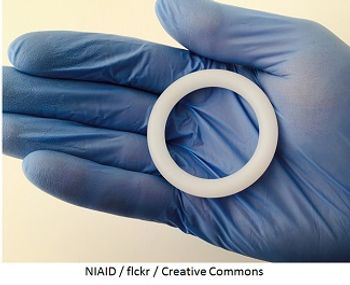
Research on a tenofovir disoproxil fumarate intravaginal ring for PrEP hit a hurdle when 8 of 12 women unexpectedly developed vaginal ulcers.

Blocking the transport of critical metals like zinc into the cell could be a way to prevent growth and therefore infection by Neisseria gonorrhoeae.
The committee voted 16 to 2 to recommend F/TAF for PrEP based upon data from the phase 3 DISCOVER study, which evaluated F/TAF in comparison with F/TDF.
A novel NNRTI hits the market, but what place will it have in treatment?
Some rural counties with historically low rates of HIV infection are now experiencing increased risks for HIV transmission of the virus and do not have the infrastructure or resources to respond appropriately.
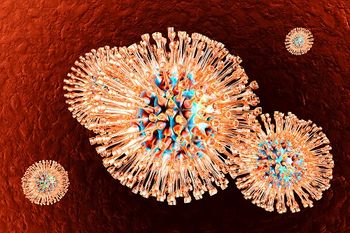
The first step (prime) is to immunize with conventional vaccines through a needle in the arm. The second step (pull), is to apply an antibiotic cream that helps attract, T cells, to the site of virus growth.
Initiating and adhering to ART is a difficult task for a significant number of people living with HIV. A new study shows that making a concerted effort to find and encourage this population to get the care they need is not an impossible dream.
The adjusted hazard ratios for 1-dose and 2-dose recipients were comparable to the 3-dose recipients (1 dose 1.01 [95%CI 0.81–1.26], 2 doses 1.00 [0.85–1.17]) after adjusting for age at vaccination among the vaccinated group.
Advertisement
Advertisement
Trending on Contagion Live
1
FDA Approves Bacfenssi to Reduce Colorectal Surgical Site Infections
2
Phase 2 Data Strengthen the Case for Omadacycline in M abscessus Pulmonary Disease
3
Prehospital Ceftriaxone Fails to Cut Sepsis Mortality in PITSTOP trial
4
Ebola Outbreak Climbs to 11,645 Cases as Deaths Near 5700
5