






















































































































































On May 16, 2016, the Australian Olympic Committee (AOC) announced that the country’s Olympic team members will receive Dual Protect VivaGel condoms, the world’s only antiviral condom, for the 2016 Olympic Games in Rio de Janeiro.

On May 16, 2016, the Australian Olympic Committee (AOC) announced that the country’s Olympic team members will receive Dual Protect VivaGel condoms, the world’s only antiviral condom, for the 2016 Olympic Games in Rio de Janeiro.
A recent study has shown that human immunodeficiency virus (HIV) enters cells throughout the entire female reproductive tract from the labia to the ovary—not just in the cervix, as previously thought.

A recent study has shown that stress and depression in adolescent females are linked to human papillomavirus (HPV)-related health problems—in particular, whether the viral infection persists long enough to increase the risk of cervical cancer.
The results of a methylome-wide analysis of human immunodeficiency virus (HIV) chronically infected, combination anti-retroviral therapy (cART)-treated individuals recently published in Molecular Cell suggest that HIV+ individuals have an epigenetic age 4.9 years older than healthy controls, resulting in an expected total mortality risk increase of 19%.
In a one-arm study examined by the German Institute for Quality and Efficiency in Health Care (IQWiG), the added benefit of rilpivirine for HIV-positive children and adolescents between the ages of 12 and 18, was not proven, contrary to the belief of the manufacturer.

A recent study has shown that although the CRISPR/Cas9 gene editing technology can stop human immunodeficiency virus (HIV) replication, it also results in unexpected viral resistance and thereby limits use of the technology in HIV therapy.

In a recent study of 1,812 human immunodeficiency virus (HIV)-infected individuals in sub-Saharan Africa, researchers found that none of these individuals had confirmed hepatitis C virus replication.

According to the Centers for Disease Control and Prevention, in 2014, nearly 17% of new HIV diagnoses were in the over-50s.
Scientists have developed a new ultra-sensitive screening technique for diseases such as HIV and cancers that may be 10,000 times more sensitive than those currently used clinical tests.
The Centers for Disease Control and Prevention (CDC) recently reported that the Zika virus can be transmitted from an infected man to a sex partner through anal sex.

Charitha Gowda, MD, MPH, explains the ways that hepatitis A, B, and C are transmitted and recent discoveries in the modes of transmission.
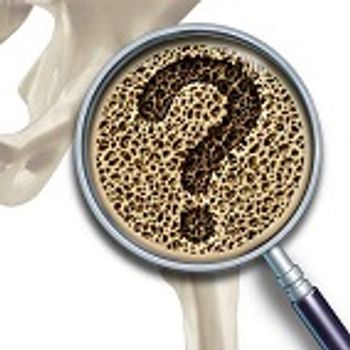
HIV-positive adolescent males display increased levels of sCD14, associated with mineral content and density measures in bones and indicate macrophage activation.

The risk of oral HPV infection significantly increases among men who recently engaged in oral sex, but not among women.
Approximately 10% of women diagnosed with high risk human papillomavirus (HPV) develop cervical cancer.

A recent study demonstrates the first evidence of the national impact of the HPV vaccine among females in their 20s.

Jason C. Gallagher, PharmD describes how healthcare practitioners can counsel patients on the recent increases in antibiotic-resistant sexually transmitted infections.
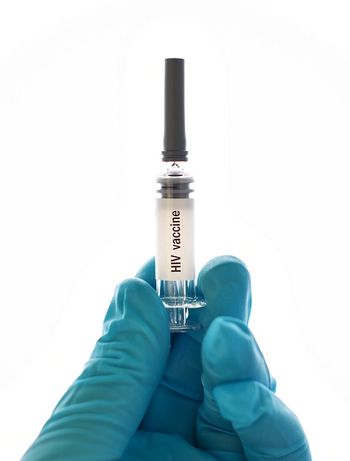
A viable vaccine remains the Holy Grail in efforts to prevent the spread of HIV and protect those at high risk for the virus.

The very treatment that is supposed to help patients infected with the human immunodeficiency virus (HIV) is also leading to weight gain among adults in the United States.
People with the human immunodeficiency virus (HIV) are at a higher risk of having hepatitis C (HCV), however, less than two-thirds of patients are being screened regularly.
A new method to fight the human immunodeficiency virus (HIV) may already be accessible by reworking an existing prescription drug.

The tendency of injection drug abusers to share needles provides fertile ground for the transmission of HIV.
Only a few recommended options are left to treat the condition.

Albert Einstein College of Medicine researchers have developed a new vaccine type that shows promise to possibly become the first ever for preventing genital herpes.
A national clinical trial has found non-efavirenz antiretroviral therapy effective as a first-line treatment, which is good news for patients with HIV who are ineligible to usea the common drug.
Despite previous research suggesting HIV patients have an increased likelihood of suffering from a heart attack, kidney failure, or cancer, Johns Hopkins Bloomberg School of Public Health investigators showed the age they encounter these conditions were similar to their uninfected counterparts.