















































































































































Six members of the Presidential Advisory Council on HIV/AIDS (PACHA) recently resigned in protest of the current administration’s healthcare policy.
Six members of the Presidential Advisory Council on HIV/AIDS (PACHA) recently resigned in protest of the current administration’s healthcare policy.
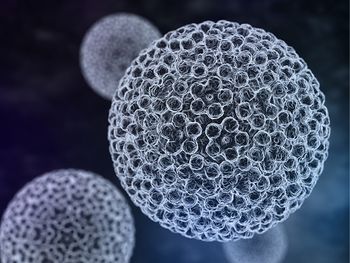
WHO releases recommendations regarding HPV vaccination as primary preventive intervention against cervical cancer.
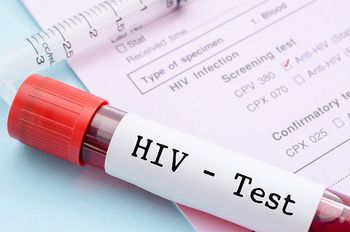
Obstacles to achieving durable HIV remission in lower- and middle-income countries affects these nations’ ability to carry out needed research.
Kenneth Mayer, MD, shares some of the common concerns individuals have regarding the use of pre-exposure prophylaxis as protection against HIV.
Benjamin Young, MD, PhD, shares how many catalysts for the HIV epidemic exist within cities.

The results of a new study in the Journal of the American Medical Association (JAMA) provide strong evidence that the goals of the United Nation’s Program on HIV/AIDS (UNAIDS) are indeed possible.

Superbugs, Zika, antibiotic development, C. difficile, and HIV are the article topics making up this week’s Top 5 articles.

A new study sheds more light on a recent cluster of gonorrhea infections in Hawaii, the strain of which is showing resistance to the two antibiotics recommended to effectively treat the sexually transmitted disease.

Genovefa Papanicolaou, MD, provides a brief overview of cytomegalovirus.

May's top articles included news on HIV, Lyme disease, updates to nosocomial pneumonia guidelines, and more.

In patients who are being treated with antiretroviral therapy (ART), it appears that a latent form of HIV residing in immune cells can continue to reproduce.

New research suggests that making drug use a crime may negatively impact the prevention and treatment of HIV.
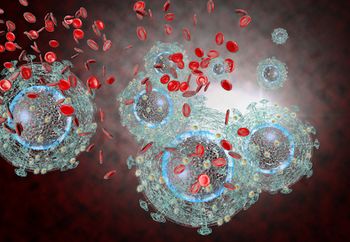
The FDA approved the administration of Isentress HD in patients weighing at least 40-kg who are treatment-naïve or who achieved viral suppression from treatment with raltegravir.

New information indicates that HIV-positive men can safely father children with their uninfected female partners as long as the couple takes certain precautions.
Not much is known about how HIV mono-infection contributes to the development of hepatic steatosis, due to how difficult diagnosis of this condition used to be. Now, with the developement of noninvasive tools, it is easier to diagnose steatosis.

By impairing brain connectivity, an HIV infection may affect cognition in young patients, according to a recent imaging study.

In case you missed them, here are our top 5 articles for the week of May 21, 2017.

The quality improvement group at the UNC Infectious Disease Clinic has come up with a process to increase rates of STD screening that includes providing patients with the option to self-swab.

The key to meeting the Joint United Nations Program on HIV and AIDS (UNAIDS) benchmark may be to combine discrete areas of research into a more cohesive strategy.

Physicians call for more education for themselves and the patient before recommending the use of topical microbicides.

At the 2017 Annual Pediatric Academic Societies meeting, Gail Bolan, MD, from the CDC, explained why trends in STD reporting in 2015 may be disturbing.

In a research panel at the 2017 Annual Pediatric Academic Societies Meeting, Andres Camacho-Gonzalez, MD, and Craig Wilson, MD, discussed how poorly-controlled HIV infections in adolescents are related to increased risk of other STIs.

In case you missed them, here are our top 5 articles for the week of May 14, 2017.

A new study finds that gay African American and Latino men who use multiple forms of technology to find sexual partners have higher rates of disease transmission.
On HIV Vaccine Awareness Day, we reflect on the advancements made in the fight against HIV and the ongoing efforts to reach the collective goal of developing a safe, effective vaccine.