













































































































Sexually Transmitted Diseases
Latest News
Advertisement
Advertisement

In case you missed them, here are our top 5 articles for the week of May 7, 2017.
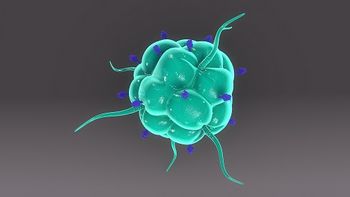
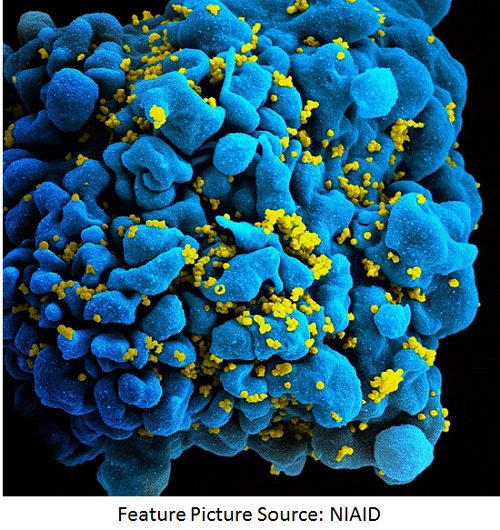
UNC School of Medicine researchers have identified a new HIV reservoir, a finding that can be used to inform cure research.
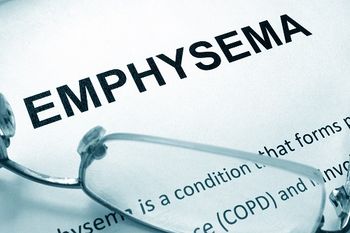
A new study sheds light on the mechanisms behind the development of emphysema in 30% of HIV-positive individuals.
There has been an increase in STDs seen in US emergency departments, a setting that proves to be less than optimal for providing STD care.
In case you missed them, here are last month's Top 5 news articles from Contagion®.
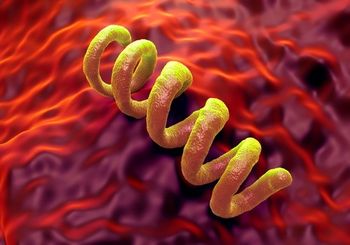
The rates of primary and secondary syphilis in the United States have increased by 19% from 2014 to 2015, and the CDC notes that preliminary data suggests that there was a “similar rate of increase in the first 6 months of 2016.”
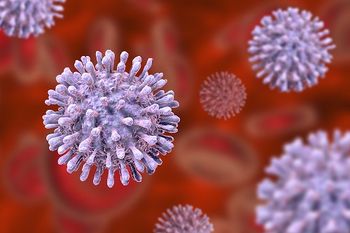
In a collaborative effort, scientists from Johns Hopkins School of Medicine and George Washington University have found that defective HIV proviruses can complicate monitoring the true viral load within patients and distract the immune system from attacking the functional virus.
Researchers from Zhejiang University in China take a closer look at how the incidence of different infectious diseases have changed in the first decade after the SARS outbreak.

In case you missed them, here are our top 5 articles for the week of April 23, 2017.
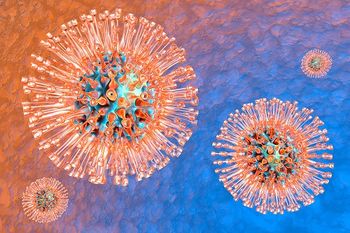
In a recent study, scientists from the NIH identify a set of protein complexes that are recruited viral genes and stimulate not only initial HSV infection, but also reactivation of dormant HSV.
More comprehensive molecular and genetic sequencing could help link cases to each other and alert authorities to HIV “clusters” that otherwise might be missed.
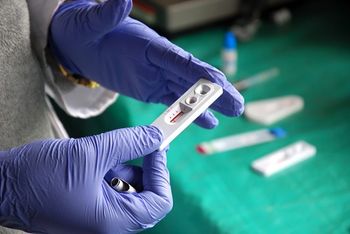
In underserved nations where HIV rates are high, rapid diagnostic tests (RDTs) have been relied upon to determine which individuals are infected; however, there is concern about the accuracy of these tests.
This week’s Public Health News Watch shifts the focus towards pop culture as a Grammy award winner, and one of the foremost activists for the HIV/AIDS crisis has been taken ill with what news outlets are reporting as a “rare and potentially deadly bacterial infection.”
Advertisement
Advertisement
Trending on Contagion Live
1
Ensitrelvir Becomes First Oral Option Available in US to Prevent COVID-19
2
Dovato Shows Noninferior Efficacy to Biktarvy in Head-to-Head HIV Trial
3
Cyclospora Outbreak Underscores Antibiotic Stewardship, C diff Risk
4
Histoplasmosis: A Common Infection Hiding in Plain Sight
5