































































































































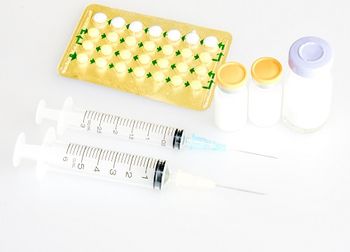
The WHO recently revised its guidelines on progestogen-only injectable contraceptives in light of new evidence that their usage may involve a higher risk of contracting HIV.
The WHO recently revised its guidelines on progestogen-only injectable contraceptives in light of new evidence that their usage may involve a higher risk of contracting HIV.

UCL scientists have found that MRI scans can be used as a way to identify HIV persistence in the brain even when it is controlled by treatment efforts.
Researchers have found that individuals with cytomegalovirus retinitis have a more advanced HIV infection than individuals with ocular syphilis.
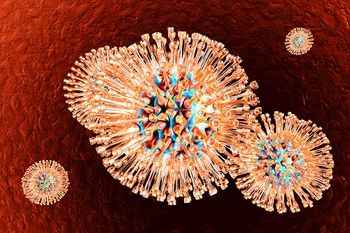
Researchers have discovered that women who experience active genital herpes infection early in their pregnancy may be more likely to have a child who will later be diagnosed with autism spectrum disorder.

Researchers have found that cases of ocular syphilis have been increasing in North Carolina and that the prevalence of ocular syphilis was almost twice as high among HIV-positive patients as among those who were HIV negative or HIV unknown.

Centers for Disease Control and Prevention researchers find that in women who have rectal intercourse, rectal sexually transmitted infections chlamydia and gonorrhea can be almost as common as urogenital infections.
Recent research has revealed that some adolescents may be overtreated or undertreated for the sexually transmitted infections (STIs) chlamydia and gonorrhea when presenting to the emergency department (ED).

In case you missed them, our top 5 articles for the week of March 19, 2017 are highlighted here.
Researchers find that rapid diagnostic testing may be the key to improving testing and treatment for chlamydia and gonorrhea.

Fewer expectant mothers infected with HIV transmit the virus to their babies, but gaps in treatment persist. More infants could be protected with proper screening and treatment.
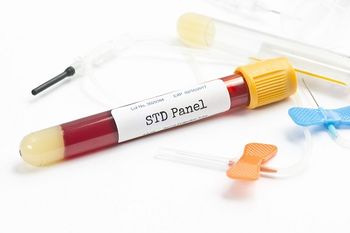
Research has found that women who were forced to have sex and were diagnosed with an sexually transmitted disease (STD) were less likely to receive treatment compared with women who did not experience forced sex.
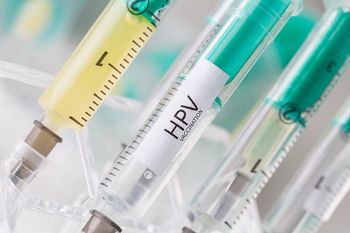
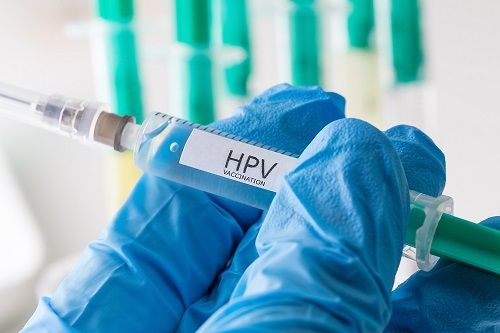
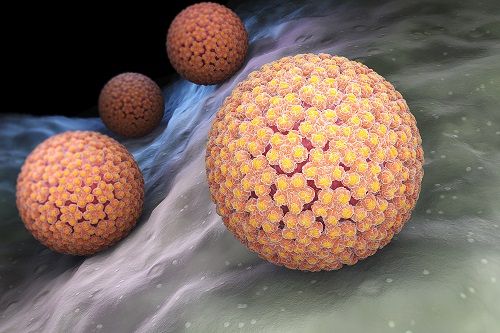
Guidelines for the human papillomavirus (HPV) vaccine include recommendations on which populations of individuals should receive either the 2-dose or 3-dose regimen.
Today is National Native HIV/AIDS Awareness Day (NNHAAD), a day dedicated to promoting awareness of the impact that HIV/AIDS has on Native communities, particularly American Indians, Alaska Natives, and Native Hawaiians.

CDC researchers examine STD services and confidentiality issues among individuals between 15 and 25 years of age and find that not spending time alone with a healthcare provider, without a parent in the room, may limit use of STD services for some youths.

Adherence with HIV therapy regimens remains difficult for some patients. Nurse-delivered interventions can increase adherence, reduce disease costs, and extend the lifespan in an HIV-infected population.
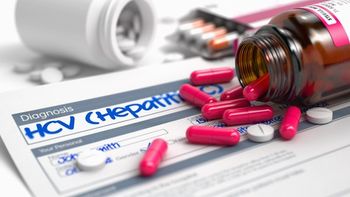
Researchers posit that increased direct-acting antiviral (DAA) coverage can work to completely eradicate hepatitis c virus (HCV) in some populations of HIV-positive coinfected patients.

March 10, 2017 marks the 12th observance of National Women and Girls HIV/AIDS Awareness Day, a day that is dedicated to raising awareness about the impact of HIV/AIDS on women and girls and encouraging them to take action when it comes to preventing infection.
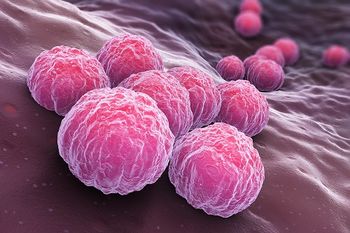
At the 2017 Annual Meeting of the American Academy of Allergy, Asthma & Immunology (AAAAI) in Atlanta, Georgia, researchers presented findings that suggested that a chlamydia vaccine, although costly, can avert significant morbidity.
This year, the World Health Organization (WHO) released a new guideline on sexual and reproductive health and the rights of women who are living with HIV.
The Georgia Department of Public Health reports that the number of HIV infections in Georgia has dropped 6% each year from 2008 to 2014.

Pharmacists play vital roles in optimizing HIV treatment outcomes in multiple ways and in all medical settings.

Brown University researchers propose thinking about pre-exposure prophylaxis (PrEP) as a nine-step continuum of preventive care, one that improves uptake and focuses on retention in care.

New research suggests that human and viral genetics account for one third of the differences in disease progression rates in HIV-positive individuals.
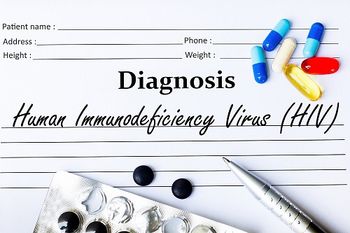
Scientists are hopeful that a new two-drug regimen will simplify treatment for HIV patients while exposing them to fewer side effects.
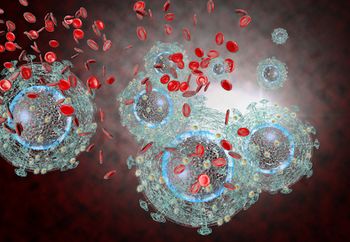
Could a new process called long-acting slow effective release antiretroviral therapy, or LASER ART, be a game-changer in treating HIV?