





Vaccines
Latest News
Advertisement
Latest Videos


























































































Advertisement
More News

New pharmacokinetic data, shared by Moupali Das, MD, MPH, reveal long-lasting plasma concentrations, surpassing twice-yearly subcutaneous formulation for HIV prevention

Nilu Goonetilleke, LLBHons, BScHons, PhD, presents findings showing the bivalent HIVconsvX vaccine targets both Mosaic-1 and Mosaic-2, resulting in broader immune responses.
Nilu Goonetilleke, LLBHons, BScHons, presents findings from the phase 1 study, showing a 50% reduction in T cell response with age, while 85% of participants demonstrated strong immune responses.

Stacy Lindborg, PhD, highlights the vaccine’s immune response, safety, and global distribution potential.

Sean Tucker, PhD, highlights effective immune response and mucosal immunity, paving the way for broader applications in viral disease prevention.

Phase 1b trial data demonstrated immune response, with 85% reduction in viral shedding and robust mucosal immunity in elderly adults.

The phase 1/2a trial of BioNTech's BNT165e vaccine, involving nearly 180 participants, faces delays as global malaria control efforts struggle with funding and political uncertainties.

Kate Broderick, PhD, discusses the advancements in RNA-based vaccines for targeting flu, cancer, malaria, HIV, and more.
Approved vaccines for chikungunya, meningococcal disease, updates on HIV prevention, key regulatory decisions, and more.
With the release of these guidelines and the US Health and Human Services canceling the mid-March FDA VRBPAC meeting to discuss these vaccine recommendations, Robert Hopkins Jr, MD, the medical director of the National Foundation for Infectious Diseases (NFID), offers insight on these developments.
The interim results demonstrated a slightly better vaccine effectiveness in individuals who are immunocompetent vs immunocompromised individuals.
The most recent CDC report accounts for 33 million flu illnesses, 430,000 hospitalizations, and 19,000 deaths this flu season, with Influenza A(H1N1) and A(H3N2) as the primary strains.

On the heels of the first death in an ongoing US-based measles outbreak, Paul Offit, MD, discusses how outbreaks are the first sign that childhood vaccination rates are starting to decline.

Tina Tan, MD, FIDSA, FPIDS, FAAP, Infectious Diseases Society of America (IDSA) president discusses the changes and offers a glimpse of what the US can expect in terms of limited access to new vaccines, increased incidence rates of disease, and new public health policy regarding immunizations.
The World Health Organization (WHO) reports on the vaccine uptake in that region, and the Global Polio Eradication Initiative reports that some countries recording new cases.

Jeff Freiberg, MD, PhD, on the rising emerging infection concerns of dengue, mpox, measles, and H5N1 influenza in clinical practice.

A new study published in JAMA Network Open points out that immunization also occurred in individuals who did not receive routine prenatal or infant vaccines.
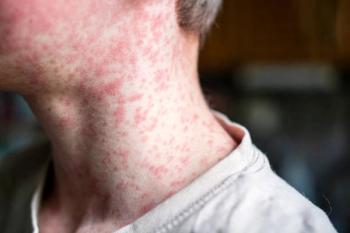
Confirmed measles cases in Texas have risen from 24 to 58 in just six days, with 13 hospitalizations reported.

The company's trivalent vaccine (mRNA-1403) was being studied in a phase 3 trial.

In a statement, the official, Ralph Abraham, MD, along with the state’s deputy surgeon general, wrote that because of “COVID missteps” they will no longer encourage vaccination to people.
In the Phase 3 trial, GSK's vaccine met all 11 primary endpoints, providing expanded options for preventing invasive meningococcal disease in individuals aged 10-25 years.
The approval is based on positive phase 3 clinical trial results, offering an effective option for travelers and others at risk of chikungunya, the mosquito-borne illness.

Su H Wang, MD, FACP, MPH discusses combating vaccine misinformation, preventing outbreaks, and highlighting global health interconnectedness

Heather Platt, MD, discusses Merck’s latest achievement with Capvaxive and its potential to significantly reduce invasive pneumococcal disease and pneumonia in high-risk adult populations across Europe.

The association’s Executive Director Georges Benjamin, MD, offers some commentary as to why they have concerns around him as Health and Human Services Secretary.
Advertisement
Advertisement
Trending on Contagion Live
1
FDA Approves Bacfenssi to Reduce Colorectal Surgical Site Infections
2
Phase 2 Data Strengthen the Case for Omadacycline in M abscessus Pulmonary Disease
3
Prehospital Ceftriaxone Fails to Cut Sepsis Mortality in PITSTOP trial
4
Ebola Outbreak Climbs to 11,645 Cases as Deaths Near 5700
5