





Vaccines
Latest News
Advertisement
Latest Videos











































































































































Advertisement
More News

Paul Offit, MD, voices concerns over the CDC’s surveillance capabilities, the federal agency’s lack of movement to address vaccine needs during outbreaks, and diminishing herd immunity, making the vulnerable at risk for contracting disease.

In the second installment of our 2-part interview, infectious disease pediatrician Sharon Nachman, MD, discusses this very rare adverse effect that can occur after immunization administration.
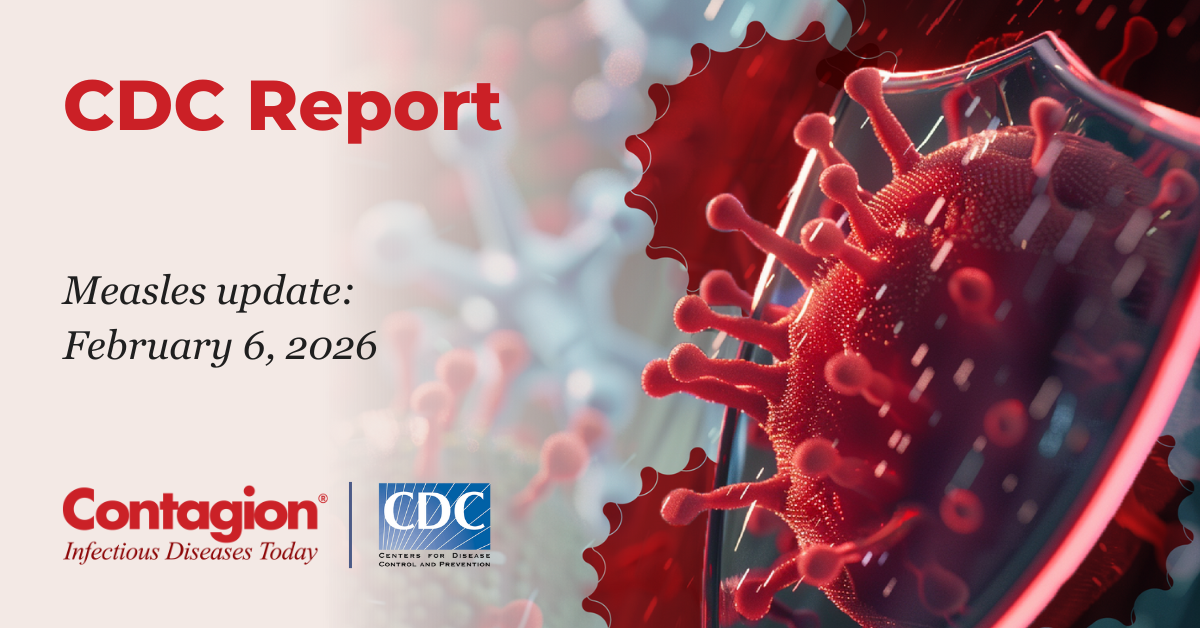
The Centers for Disease Control and Prevention (CDC) provided its latest figures today on the confirmed number of cases in the US.
The American Academy of Pediatrics (AAP) has published its 2026 immunization schedule, reaffirming routine vaccination to protect children and adolescents against 18 preventable diseases.
The workgroup is examining the vaccine’s schedule including the age it is administered, dosage, and the safety and efficacy of the vaccines.

Kirk Milhoan, MD, PhD, said vaccine choice is the most important element to the public even with the possibility of people contracting this disease or others when given the right to opt out of vaccination.
Although the declared COVID-19 pandemic public health emergency has passed, the CDC reports continued high numbers of illnesses, medical visits, hospitalizations and deaths.

Valneva has voluntarily withdrawn its US regulatory applications for its chikungunya vaccine, IXCHIQ, after the FDA suspended the license and placed the program on clinical hold pending investigation of a newly reported serious adverse event.
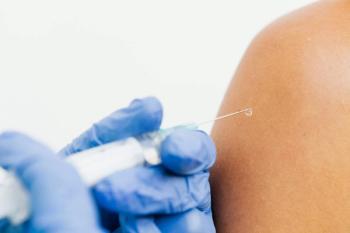
Evidence supporting the second of two licensed pentavalent meningococcal vaccines as an alternative to separate quadrivalent (ACWY) and serogroup B (MenB) vaccines is described and qualified in a recent MMWR.

The COVID-19 pandemic intensified long-standing problems in scientific production and communication—driven by perverse academic incentives, peer review strain, media hype, and growing misuse of AI—highlighting the urgent need for stronger critical appraisal skills across research and medicine.
This week, listen in on commentary around the changes to the childhood vaccine schedule, read SIDP's column on the next-generation antifungals as well as combination therapeutics for Candida auris, and the Clinical and Laboratory Standards Institute Subcommittee on Antimicrobial Susceptibility Testing breakpoint recommendations.

With rates of influenza vaccination in decline, two health systems evaluated interventions for prompting clinicians to order, and patients to obtain flu shots.
New federal guidance recommends childhood vaccines for 11 diseases, downsizing immunization protection from the previous list of 18 diseases.
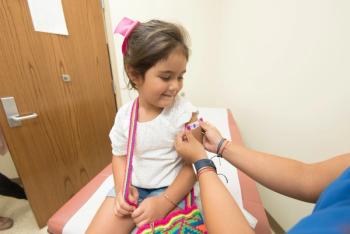
A delay in providing standard infant vaccinations is associated with children not receiving MMR (measles, mumps, rubella) vaccine by 2 years of age.
A series of politically driven actions in 2025—including defunding mRNA research, dismantling vaccine advisory bodies, and restricting CDC recommendations—has undermined US vaccine access and pandemic preparedness, but professional societies and some states are stepping in to preserve evidence-based public health.
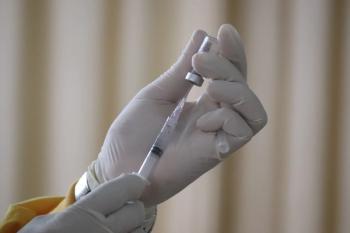
The recent CDC ACIP meetings and subsequent actions show a path for which the current Health and Human Services department wants to roll back access to vaccines for this virus and other vaccines.
The single-source award will fund a large randomized trial evaluating mortality, morbidity, and developmental outcomes following the hepatitis B birth dose, amid ongoing debate over non-specific vaccine effects.
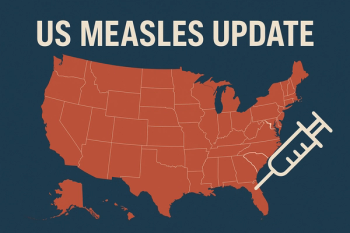
CDC reports over 1,900 confirmed cases and 49 outbreaks nationwide, with recent surges reported in South Carolina, Utah, Arizona, and Connecticut amid declining childhood vaccination coverage.
This new recommendation relates to infants born to women who test negative for hepatitis B. This is a departure from the federal agency’s previous recommendation and comes on the heels of the ACIP’s recent meeting.
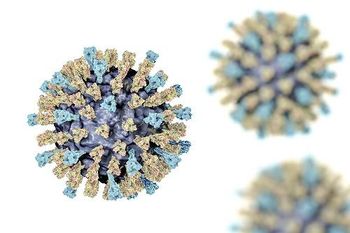
An impending deadline is coming up in early 2026 that could cause the country to lose its status. However, this can be reversible and unnecessary infections, severe disease, and deaths can be avoided. Rodney Rohde, PhD, talks about incidence rates, how we got here, and strategies to increase immunizations.
Advertisement
Advertisement
Trending on Contagion Live
1
Ebola Outbreak Reaches 11,145 Cases, 5437 Deaths
2
Measles Update: November 13, 2026
3
CHMP Recommends Dolutegravir, Dolutegravir/Lamivudine for Children With HIV
4
Cefazolin Possibly Superior, Probably Safer than Cloxacillin for MSSA Bacteremia
5