




Vaccines
Latest News
Advertisement
Latest Videos

























































































































































Advertisement
More News

The philanthropic organization plans to provide the gift over the next 5 years, and is in contrast with what is happening with US vaccine funding to the organization as well as the country's changing immunization policies.
Single-dose, nonvaccine antiviral shows significant seasonal prophylactic efficacy and favorable safety profile in over 5000 healthy adults.
Gilead’s Yeztugo, a long-acting HIV capsid inhibitor, shows 96 to 100% efficacy in phase 3 trials and aims to expand access worldwide through regulatory filings and support programs.
A ValuePenguin poll of more than 2000 adults highlights partisan divides, persistent myths, and concerns over vaccine access, with 41% fearing skepticism could hinder immunization efforts.
Editor-in-Chief Jason Gallagher, PharmD, FCCP, FIDP, FIDSA, BCPS, discusses the recent changes to the Centers for Disease Control and Prevention’s Advisory Committee on Immunization Practices (ACIP), and where professional societies must step in and lead with research data and clinical guidance in the absence of experienced committee members.
The federal agency approved the company’s mRNA-1345 (mRESVIA) vaccine for people who are between the ages of 18 to 59 years.
Phase 3 results show immune response and tolerability in adults 65 and older, following phase 2 findings.

The replacement of all 17 ACIP members sparks concern among medical experts and prompts calls for Senate investigation.

HHS Secretary Kennedy Dismisses CDC Vaccine Advisory Committee
Published: | Updated:
Full committee removal raises concerns over vaccine policy stability and scientific independence.

After the leaders of the NIH, FDA, and HHS made an announcement stating that both pregnant women and children were going to be taken off the COVID-19 immunization schedule, they decided to offer a new designation for the latter group, making it a shared decision between providers and patients.
The company's vaccine, mRNA-1283, becomes the first approval under the new federal guidelines.

Despite the funding being terminated, the company said data from its phase 1/2 study of its investigational vaccine, mRNA-1018, demonstrated positive interim results.
The World Health Organization (WHO) says the previously predominant LP81 variant has been declining, and that the NB181 strain, which is a variant under monitoring, is increasing.

Following a positive safety review, Vaxart advances its needle-free, room-temperature stable oral vaccine candidate with government-backed funding and a year-long follow-up study.
In a joint announcement, the leaders of the NIH, HHS, and FDA, made comments about this CDC immunization removal.
With this news, Sanofi's immunization becomes the only MenACWY vaccine that can help protect individuals 6 weeks of age and older, with no upper age limit.
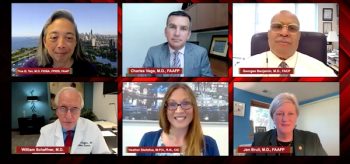
A panel discusses how vaccine policy under new federal government policies, why misinformation has flourished and what individual providers can do to win back patient trust.
The FDA committee advisors are recommending the monovalent JN1-lineage-based COVID-19 vaccines preferentially using the LP81 strain.
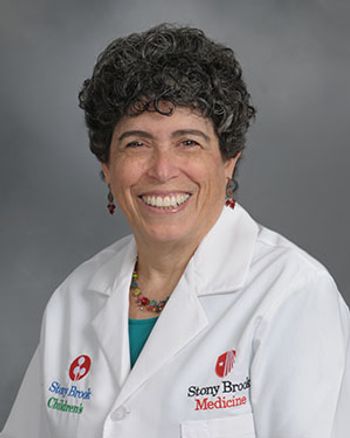
Pediatrician Sharon Nachman, MD, discusses the potential effects of the new policy including how things like vaccine access, incidence rates, and participation in placebo-controlled trials may change.
The company made the decision after the FDA requested more vaccine data for the mRNA-1083 vaccine. Moderna plans to resubmit their Biologics License Application (BLA) for the vaccine later this year.
FDA leadership says they expect more testing for COVID-19 vaccines and that they generate antibody titers in people in order for vaccines to be considered for approval.

New meta-analysis at the 2025 vaccinology conference highlights the efficacy of maternal RSV vaccines, with calls for enhanced monitoring following safety issues with one candidate
The company's Nuvaxovid vaccine is the only recombinant protein-based, non-mRNA COVID-19 immunization available in the US.
More than 80% of adults support COVID-19 vaccination, but hesitancy linked to side effects, geopolitics, and misinformation remains a challenge, says lead researcher Mahmud Sheku, MPH, MSc.
In a large study, Moderna’s investigational vaccine, mRNA-1083, was shown to have noninferiority to other vaccines, and had an acceptable tolerability and safety profile.
Advertisement
Advertisement
Trending on Contagion Live
1
Cefiderocol-Xeruborbactam Active Against Carbapenem-Resistant Bacteria
2
Pritelivir Cuts Hospital Days in Refractory HSV in Phase 3 PRIOH-1
3
Zelicapavir Shortens RSV Symptoms Despite Missing Primary End Point
4
Measles Update: October 23, 2026
5