



ZIKA
Latest News
Advertisement
Latest Videos









































































































































Advertisement
More News
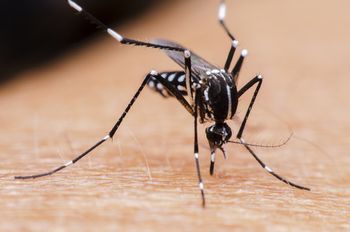
Researchers from the University of Florida recently made an interesting discovery about the mosquitoes in the state.

The CDC has updated interim guidance for healthcare providers who are caring for pregnant women with potential exposure to Zika virus.
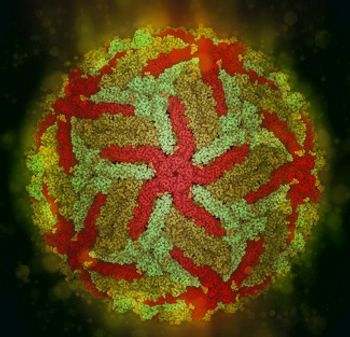
Differences in the clinical presentations of ZIKV infection which are occurring in different parts of the world might be an obstacle to setting a case definition that is good for use in all areas.
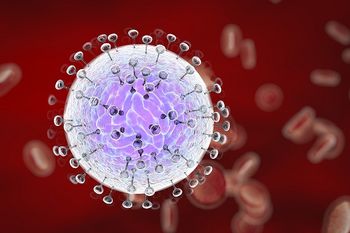
Recent research coming in from Weill Cornell Medicine/Memorial Sloan Kettering suggests that a possible cure for Zika virus may be hiding in plain sight.

Research coming in from Fernandes Figueira-Fundação Oswaldo Cruz finds that when it comes to diagnosing Zika virus infection in newborns, the eyes may have it.
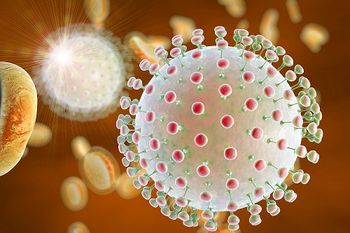
The CDC offers further insight into the investigation of a Zika virus infection in a family member of the first Zika-related death in the continental United States.

The National Institutes of Health (NIH) is looking to determine whether Zika virus infection poses an additional risk in women whose pregnancies are already complicated by HIV.

Measles in Ontario, more endoscope-related infections, a study of postnatal Zika infections, research and development on a river blindness vaccine, and using CRISPR to tackle Zika are the articles that make up this week’s Top 5.

Can genetic modification aid us in fighting mosquito-borne diseases?
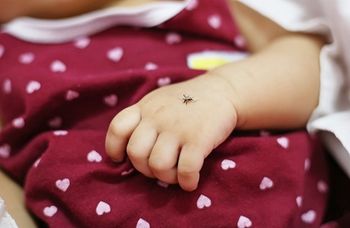
The National Institute of Allergy and Infectious Diseases (NIAID) has partnered up with nonprofit foundation FUNSALUD to launch a study that will examine the effects of Zika infection in infants and children living in Guatemala.
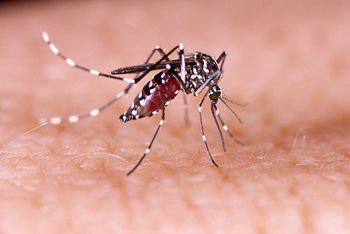
As researchers discover Chikungunya-carrying mosquitoes in Brazil, a new study analyzes the impact of the Zika virus on the area.
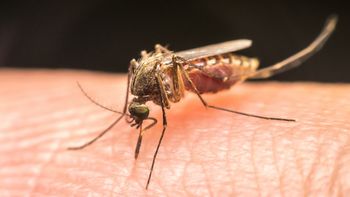
The CDC just released a study outlining areas where an increase of Aedes mosquitoes was observed in 2016. In addition, researchers report on Zika-related complications observed in 7 infants, postmortem.

A new CDC report has linked congenital Zika syndrome with dysphagia in 9 Brazilian infants.

Challenges to public health are never-ending and experts argue that budget cuts that will be made through the American Health Care Act (AHCA) will have dire consequences to how we can respond.
Superbugs, Zika, antibiotic development, C. difficile, and HIV are the article topics making up this week’s Top 5 articles.
In the most recent MMWR, the CDC released data indicating the risk of Zika congenital infection resulting into complications based on trimester of infection.

Research presented at the 2017 Annual Pediatric Academic Societies (PAS) meeting examines the similarities between Congenital Rubella Syndrome and Congenital Zika Infection.

In case you missed them, here are our top 5 articles for the week of May 21, 2017.
After 3 individuals test positive for the mosquito-borne virus in Gujarat, WHO confirms that the Zika virus is currently circulating in the country.

Research published in Nature on May 24, suggests that the Zika virus has been circulating in the Americas silently for far longer than previously thought.

Jean-Paul Gonzalez, MD, PhD, Deputy Director, Center of Excellence for Emerging and Zoonotic Animal Diseases (CEEZAD), Kansas State University, Adjunct Professor, Kansas State University, explains the importance of vector control in the fight against Zika.
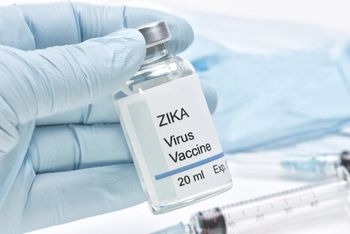
Researchers from Beaumont hospital have developed a Zika virus diagnostic test that yields quick results. In addition, a Zika vaccine may be coming our way, but perhaps not in the way we hoped.
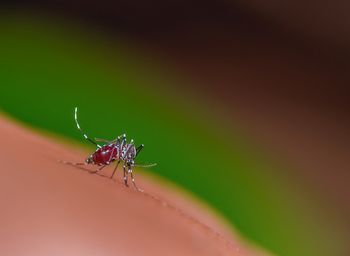
Researchers from Stanford University use mechanistic models to predict the temperatures at which mosquitoes are likely to contract Zika and other arboviral diseases and transmit them to humans.
Due to a significant drop in new Zika cases, the Ministry of Health has declared the national emergency status over.
At the 2017 Annual EIS Conference, researchers presented findings from a prospective case-control study on acute Zika infection at 9 hospitals in Puerto Rico, as well as on a patient who was paralyzed due to Guillain-Barre Syndrome, unrelated to Zika infection.
Advertisement
Advertisement
Trending on Contagion Live
1
New IDSA/ESCMID S aureus Bacteremia Consensus Statements: a Risk Stratification Framework
2
On World Rabies Day, When to Seek Treatment, Clinical Considerations for Post Exposure Prophylaxis
3
Further Insights, Treatment Considerations Around the PETERPEN Study
4
VYD2311 Shows Superior Tolerability to mRNA COVID-19 Vaccine in Phase 3 Study
5